
Key Takeaways
- Learn where your water, gas and electrical shut-offs are before you need them.
- Label your electrical panel and treat repeatedly tripping breakers as a warning sign.
- Know your roof’s age and material, check it twice a year and after every major storm.
- Change HVAC filters regularly and book an annual service.
- Act fast on leaks and moisture to prevent mold.
- Remove standing water to keep mosquitoes and other pests under control.
- Set aside 1% to 4% of your home’s value each year and keep a simple maintenance record.
Getting the keys to a new home is exciting, but it also brings a long list of unfamiliar questions. Where is the water shut-off? What is that noise in the attic? How often does the roof actually need checking? Knowing how to decorate a home is very different from knowing how to look after one.
The first year often teaches expensive lessons. A small roof leak left alone becomes a stained ceiling. An air conditioner that seemed fine fails on the hottest weekend of summer. A backyard turns into a mosquito breeding ground because of a clogged gutter and a forgotten bucket.
This guide brings together practical home maintenance tips for new homeowners: the systems that matter most, what to check and when, and the warning signs that mean it’s time to call a professional.
Why Your First Year Matters Most
Your first year in a home is when you learn how it behaves: where water collects after rain, how quickly the house heats and cools, which doors stick in summer. It’s also when small problems left by the previous owner start to show up.
Getting into good habits now pays off for decades. Regular maintenance:
- Prevents expensive emergencies. Most big repair bills start as small, cheap fixes that were missed.
- Protects your investment. A well-maintained home holds its value and sells more easily.
- Keeps your family safe. Electrical, heating and moisture problems can become safety hazards.
- Lowers running costs. Clean filters, sealed gaps and serviced systems use less energy.
A practical approach is to treat the first twelve months as a learning year. Walk through each season with a simple checklist, write down anything unusual, and keep the inspection report close at hand. By the end of the year, you will know which jobs you can handle yourself, which systems need professional servicing, and where to focus your maintenance budget in the years ahead.
Step One: Learn Your Home’s Emergency Basics
Before anything else, find these and label them clearly. In an emergency, you won’t want to be searching with a flashlight.
- The main water shut-off valve, usually where the water line enters the house, in a basement, crawl space or utility room
- Individual shut-off valves under sinks and behind toilets
- The gas shut-off, if you have gas service
- The electrical panel, and what each breaker controls
Spend an afternoon testing each one. Make sure the valves actually turn, and that everyone in the household knows where they are.
Understanding Your Electrical Panel
The electrical panel is the heart of your home’s power system, and it’s one of the parts new homeowners know least about. It takes the electricity coming into your home and distributes it through circuits, each protected by a breaker that shuts off if the circuit is overloaded or faulty.
Every new homeowner should:
- Label every breaker. Flip them one at a time with a helper and note which rooms or appliances lose power.
- Know how to reset a tripped breaker. Switch it fully off, then back on. If it keeps tripping, that’s a sign of a real problem, not something to keep resetting.
- Watch for warning signs. A warm panel, a burning smell, buzzing sounds, scorch marks, or lights that flicker when appliances start all need a licensed electrician.
- Check the panel’s age and brand. Some older panel brands and fuse boxes have known safety issues and may need replacing, and some insurers ask about them.
If you want to understand the basics in more depth, our guide to how a home electrical panel works explains the parts and what they do in plain language. Anything beyond labelling and resetting breakers is a job for a licensed electrician.
Your Roof: Know What You Have
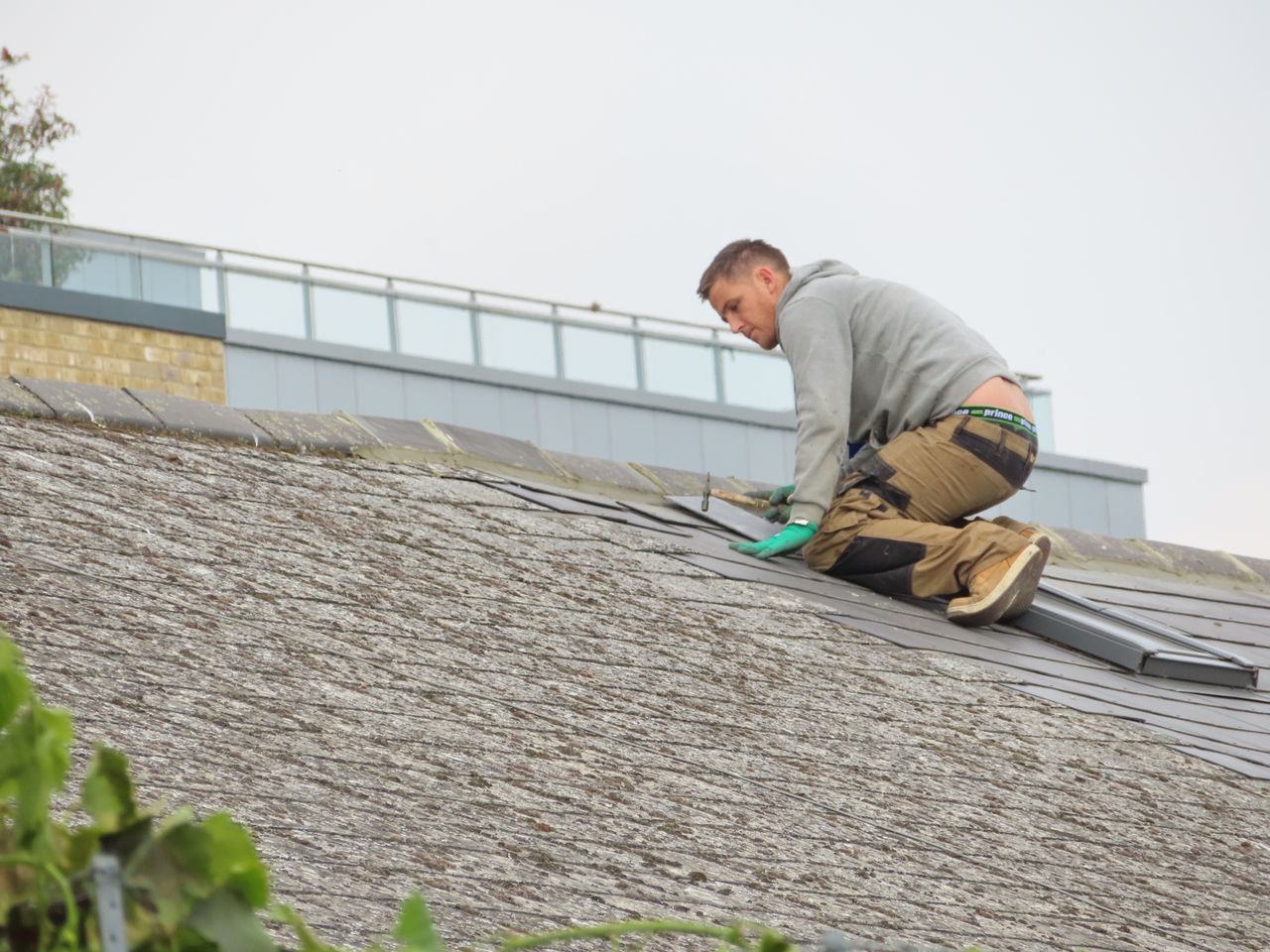
Your roof is one of the most expensive parts of your home to replace, so it’s worth knowing exactly what’s up there and how old it is. Ask the previous owner or check your inspection report for the roof’s age, material and any past repairs.
Asphalt Shingle Roofs
Most homes in the U.S. have asphalt shingle roofs. They’re affordable, widely available and easy to repair, which is why they’re so popular. The trade-off is lifespan, typically around 20–30 years, and they can be vulnerable to high winds, hail and heat. Our breakdown of asphalt roofing pros and cons goes into the details if you’re deciding whether to repair or eventually replace.
Metal Roofs
Metal roofs cost more upfront but can last 40–70 years with little maintenance. They shed snow well, resist fire and reflect heat, which can lower cooling costs. There are several styles, from standing seam panels to metal shingles designed to look like slate or wood, and each suits different budgets and home styles. If you’re curious about the options, see our guide to the types of metal roofing.
Routine Roof Care
- Look at your roof from the ground twice a year, in spring and fall. Binoculars help.
- Watch for missing, curling or cracked shingles, rust spots on metal panels, and damaged flashing around chimneys and vents.
- Keep gutters clear so water drains properly.
- Check your attic after heavy rain for damp spots or daylight coming through.
After a Storm
High winds, hail and falling branches can cause damage that isn’t obvious from the ground. After a major storm, walk the property, look for debris and shingles in the yard, and check ceilings for new stains. Be wary of contractors who knock on doors right after storms offering quick deals. Take photos, contact your insurer, and get proper estimates. Our guide to roof repair after storm damage walks through what to do, step by step. And never climb onto a damaged roof yourself.
Heating and Air Conditioning
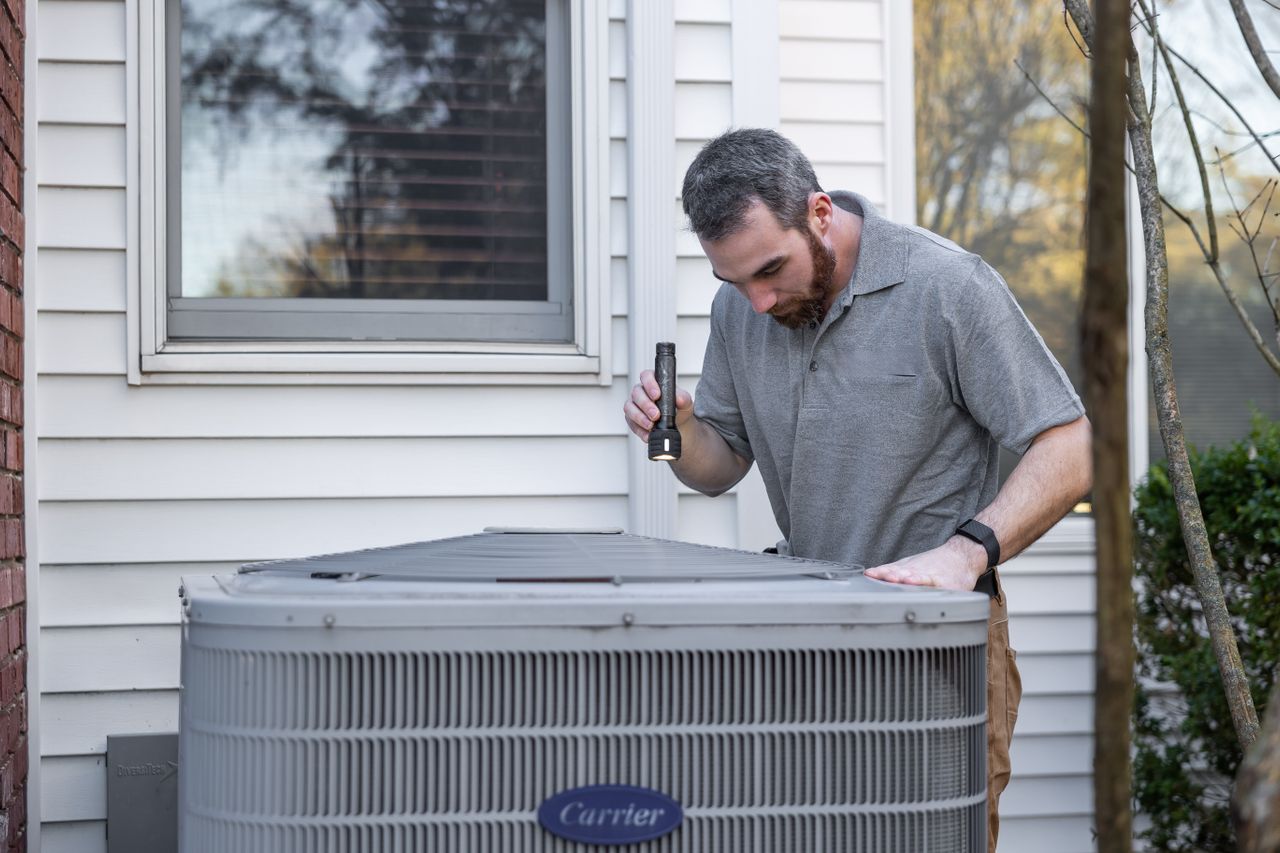
Your HVAC system works harder than almost anything else in your home, and it’s easy to forget about until it stops.
Simple habits that make a big difference:
- Change or clean filters regularly. Every one to three months is typical, more often with pets or allergies. A clogged filter makes the system work harder and wear out faster.
- Book a professional service once a year, ideally before summer for air conditioning and before winter for heating.
- Keep outdoor units clear of leaves, grass clippings and plants, with a couple of feet of open space around them.
- Keep vents and returns unblocked by furniture and rugs.
Warning signs your system needs attention:
- Warm air coming from the vents when the AC is running
- Weak airflow, or some rooms much hotter than others
- Unusual noises, such as grinding, squealing or banging
- Ice on the refrigerant lines or outdoor unit
- Short cycling, where the system turns on and off frequently
- Energy bills climbing for no clear reason
Most air conditioners last around 10–15 years. If yours is in that range and showing several of these signs, it may be near the end. Our guide to the signs your AC is dying explains how professionals decide whether it’s worth repairing or time to replace.
Water, Moisture and Mold
Water is the most destructive force your home faces, and it often works quietly. A slow drip under a sink or a small roof leak can lead to rot and mold long before you notice anything.
- Check under sinks, around toilets and near the water heater every few months for drips or damp spots.
- Watch for musty smells, peeling paint and water stains on ceilings or walls.
- Run bathroom fans during and after showers to clear moisture.
- Keep indoor humidity in a comfortable range; a dehumidifier helps in damp basements.
If you do find water damage or mold, act quickly. Mold can spread fast and affect your health, especially for people with allergies or asthma. Our article on the dangers of mold and how a water damage restoration company protects you explains what’s involved when the problem goes beyond a simple clean-up.
Plumbing Basics
- Flush your water heater once a year to clear sediment, which helps it run efficiently and last longer. Check the manufacturer’s instructions first.
- Keep drains clear. Avoid pouring grease down the kitchen sink, and use drain screens in showers.
- Know your water pressure. Very high pressure can stress pipes and fixtures over time.
- Protect outdoor spigots in winter. Disconnect hoses and drain outdoor faucets before the first freeze.
Your Yard, Gutters and Pests
The outside of your home needs as much attention as the inside, and the yard is where many pest problems begin.
Gutters and drainage: clean gutters at least twice a year and make sure downspouts carry water well away from the foundation. Blocked gutters cause roof leaks, foundation problems and a perfect breeding ground for insects.
Mosquitoes: they breed in standing water, and it doesn’t take much. A bottle cap’s worth of water is enough. Empty buckets, plant saucers and toys after rain, change birdbath water weekly, keep gutters flowing, and trim dense shrubs where mosquitoes rest during the day. For bigger infestations, professionals use targeted barrier treatments and larvicides. Our guide on how to keep mosquitoes away covers what works and what’s mostly marketing.
Other pests: seal gaps around pipes and cables, keep firewood stacked away from the house, and trim tree branches back from the roof so animals can’t use them as a bridge.
Curb Appeal and the Exterior
Maintenance and curb appeal go hand in hand. Peeling paint, overgrown plants and stained siding aren’t just cosmetic; they’re often early signs of moisture or wear. Each year:
- Wash siding and check for cracks or gaps.
- Touch up peeling paint on trim, doors and window frames.
- Re-caulk around windows and doors where old caulk has cracked.
- Keep paths, steps and railings safe and in good repair.
Once the basics are handled, small upgrades can transform how your home looks from the street. For ideas, see our guide on how to improve your home’s curb appeal.
Kitchen and Appliance Care

The kitchen gets heavy daily use, and a few small habits keep everything running well:
- Clean the range hood filter every few months.
- Clean the dishwasher filter monthly and check door seals.
- Vacuum refrigerator coils once or twice a year to help the fridge run efficiently.
- Check under the sink regularly for slow leaks.
If you’re already dreaming about a remodel, start a list now of what works and what doesn’t in your current kitchen. Living in a space for a year is the best way to understand how you really use it. When the time comes, our guide on how to plan a functional kitchen layout is a good place to start.
Safety Checks Every New Homeowner Should Do
- Test smoke and carbon monoxide detectors monthly, and replace batteries at least once a year. Replace detectors that are older than the manufacturer recommends.
- Clean the dryer vent (not just the lint trap) at least once a year. Lint build-up is a fire risk.
- Keep a fire extinguisher in the kitchen and know how to use it.
- Check stair railings and outdoor steps for loose boards or wobbles.
A Simple Seasonal Maintenance Plan
| Season | Key tasks |
|---|---|
| Spring | Check roof and gutters, service AC, inspect for winter damage, clear standing water in the yard |
| Summer | Change HVAC filters, check for pests, touch up exterior paint, clean dryer vent |
| Fall | Clean gutters after leaves drop, service heating, winterize outdoor plumbing, check weatherstripping |
| Winter | Watch for ice dams and frozen pipes, test detectors, plan spring projects |
Common First-Year Mistakes to Avoid
Most first-year mistakes come from assuming things are fine because they haven’t broken yet. A few to watch out for:
- Ignoring the inspection report. File it somewhere safe and work through the “monitor” and “repair soon” items over your first year, starting with anything related to water, electrical or safety.
- Skipping the boring jobs. Filters, gutters and detector batteries aren’t exciting, but they prevent a surprising number of expensive problems.
- Renovating before maintaining. It’s tempting to spend on new countertops first. Make sure the roof, plumbing and HVAC are sound before you put money into finishes.
- Doing risky jobs yourself. Saving money on electrical, gas or roof work isn’t worth the safety risk.
- Not asking questions. Neighbours with similar homes are a goldmine of local knowledge, from which contractors they trust to which streets flood in heavy rain.
Budgeting for Maintenance
A common rule of thumb is to set aside around 1% to 4% of your home’s value each year for maintenance and repairs. Older homes and homes with older roofs or HVAC systems sit toward the higher end. Even if you don’t spend it every year, having the money ready means a surprise repair is an inconvenience, not a crisis.
Build a Basic Toolkit
You don’t need a workshop, but these basics will handle most small jobs: a cordless drill, a set of screwdrivers, an adjustable wrench, pliers, a tape measure, a level, a utility knife, a stud finder, a plunger, a flashlight, a caulk gun and a sturdy ladder.
Keep a Home Maintenance Record
Start a simple notebook or spreadsheet with the date, the task, what you found and who did any professional work. Add the age of your roof, HVAC system, water heater and major appliances. It helps you spot recurring problems, plan replacements, use warranties and answer buyers’ questions if you ever sell.
Frequently Asked Questions
What maintenance should a new homeowner do first?
Find and label your water, gas and electrical shut-offs, test smoke and carbon monoxide detectors, change HVAC filters, and check the roof and gutters. Then build a seasonal routine from there.
How often should I service my HVAC system?
Once a year for most systems, ideally before the season you rely on it most. Filters need changing far more often, usually every one to three months.
How do I know if my roof needs attention?
Look for missing or damaged shingles, rust on metal roofing, damaged flashing, granules in the gutters, and water stains on ceilings or in the attic. Check after every major storm.
How can I reduce mosquitoes in my yard?
Remove standing water wherever you find it, keep gutters clear, change birdbath water weekly and trim dense vegetation. For heavy infestations, a professional treatment may help.
How much should I budget for home maintenance?
Around 1% to 4% of your home’s value per year is a common guideline, depending on the age and condition of the home.
When should I call a professional instead of doing it myself?
Anything involving electrical panels or wiring, gas lines, roof work, major plumbing, or mold over a small area should go to a licensed professional.