
Few household problems are as frustrating as an HVAC system that suddenly stops working. Whether your air conditioner quits during a hot afternoon or your heating system fails on a cold night, losing temperature control can quickly make your home uncomfortable. In some cases, the problem has a simple explanation. Other situations may involve damaged components that require professional attention.
Understanding some common reasons HVAC systems stop working can help you determine what to check before requesting service. If basic troubleshooting does not resolve the issue, an AC repair professional can inspect the equipment, identify the source of the problem, and recommend an appropriate solution.
The Thermostat Is Not Working Correctly
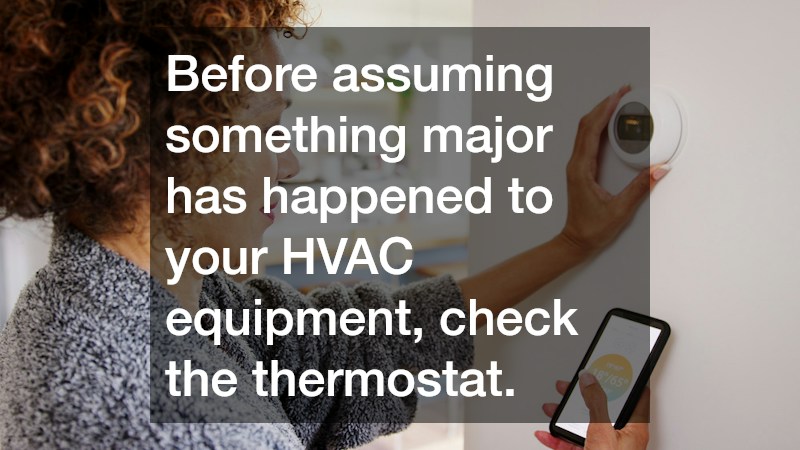
Before assuming something major has happened to your HVAC equipment, check the thermostat. Incorrect settings can sometimes make a functioning system appear broken.
Make sure the thermostat is set to the appropriate heating or cooling mode and that the desired temperature would actually cause the system to run. If the thermostat uses batteries, replacing them may also solve the problem.
A malfunctioning thermostat can cause more complicated symptoms. It may fail to communicate properly with the HVAC equipment, resulting in inconsistent operation or a system that does not turn on at all. If adjusting the settings does not help, the thermostat itself may need to be inspected.
The Circuit Breaker Has Tripped
Heating and cooling equipment requires electricity, so a tripped circuit breaker can shut down the system. Check your electrical panel to determine whether the breaker associated with the HVAC equipment has moved to the tripped position.
A breaker that trips once may simply need to be reset. However, repeated tripping can indicate an electrical problem that requires professional attention. Avoid repeatedly resetting a breaker if it continues shutting off.
Electrical issues may originate within the HVAC equipment, wiring, or another component of the system. Identifying the actual cause is important before normal operation resumes.
A Dirty Air Filter Is Restricting Airflow
Air filters collect dust, pet hair, pollen, and other particles before they circulate through the HVAC system. Over time, those materials can accumulate and restrict airflow.
A severely clogged filter can make the system work harder to move air throughout the home. Reduced airflow can contribute to poor performance and may cause certain systems to shut down as a protective measure.
Checking and replacing the air filter is one of the simplest HVAC maintenance tasks homeowners can perform. How frequently filters need replacement depends on the filter, household conditions, pets, and how often the system operates.
The Outdoor Unit Has a Problem
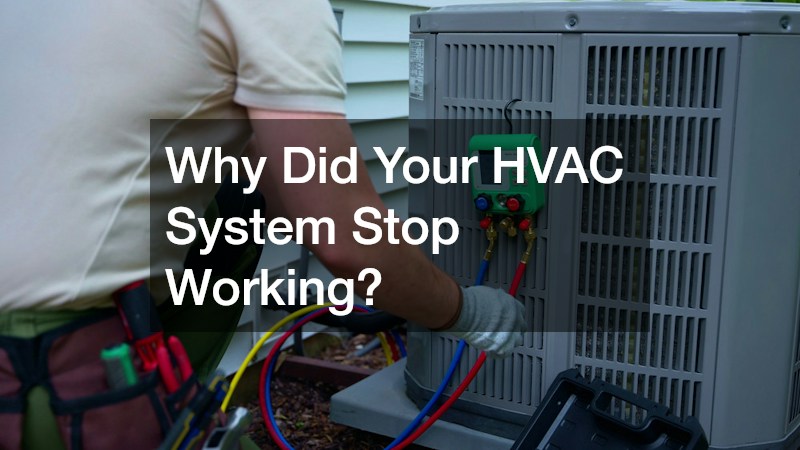
During cooling season, the outdoor portion of an air-conditioning system plays an essential role in releasing heat from the home. If this unit stops operating correctly, indoor temperatures may begin rising even though air is still moving through the vents.
Leaves, grass, dirt, and other debris can collect around outdoor equipment and restrict airflow. Mechanical or electrical components inside the unit can also fail.
Homeowners can keep the immediate area around outdoor equipment reasonably clear, but internal repairs should generally be left to trained technicians. HVAC equipment contains electrical components and other parts that can be hazardous without proper training.
Refrigerant Levels May Be Too Low
Air-conditioning systems rely on refrigerant to transfer heat. If refrigerant escapes through a leak, cooling performance can decline.
Possible symptoms include warm air coming from the vents, longer cooling cycles, difficulty reaching the thermostat setting, or ice forming on parts of the system. However, these symptoms can have other causes, so they do not automatically mean the refrigerant is low.
Simply adding more refrigerant without addressing a leak does not correct the underlying problem. A technician can evaluate the system and determine whether refrigerant loss is contributing to poor performance.
The Condensate Drain Is Clogged
Air-conditioning systems remove moisture from indoor air as they operate. That moisture typically travels through a condensate drain. Dirt, algae, and other debris can eventually restrict the drain and prevent water from flowing normally.
Some HVAC systems include safety switches designed to shut down equipment when water begins backing up. This helps reduce the risk of overflowing condensate causing water damage around the unit.
If the system has unexpectedly stopped operating and you notice water near the indoor equipment, a drainage problem may be involved. The source should be identified before the system is returned to regular use.
A Component Has Worn Out
HVAC systems contain numerous mechanical and electrical components that experience wear over time. Capacitors, motors, contactors, fans, belts, and other parts can eventually malfunction.
Component failure may cause the system to stop completely, but it can also produce warning signs beforehand. Unusual noises, inconsistent operation, difficulty starting, reduced airflow, or frequent cycling can indicate that something is not operating correctly.
Paying attention to changes in how the system sounds and performs can help you recognize developing problems before they result in a complete shutdown.
Poor Maintenance Can Contribute to Breakdowns
Routine maintenance cannot prevent every HVAC problem, but it can help identify developing issues. Systems that accumulate dirt or operate for extended periods without inspection may experience reduced efficiency and additional strain on components.
Maintenance typically involves examining important components, checking system operation, cleaning certain areas, and looking for signs of wear. Homeowners can also contribute by replacing filters when needed and keeping outdoor equipment free from excessive debris.
Regular attention can make it easier to address minor problems before they become more disruptive.
Know When Professional Service Is Needed
An HVAC system can stop working for many reasons, ranging from thermostat settings and dirty filters to electrical failures and damaged components. Start with simple checks that can be performed safely, such as reviewing thermostat settings, inspecting the filter, and checking the circuit breaker.
If the system still will not operate, repeatedly shuts down, makes unusual noises, or shows other signs of a mechanical or electrical problem, professional service may be necessary. An experienced AC repair technician can diagnose the cause rather than relying on guesswork. Addressing the problem promptly can restore indoor comfort while reducing the chance that an unresolved issue causes additional damage to the system.