
Metal roofing has become a popular option for homeowners looking for durability, distinctive appearance, and a wide range of design possibilities. However, metal roofing is not a single product, and different systems can vary considerably in their materials, construction, appearance, and installation requirements. Understanding the major types can help homeowners determine which option may be appropriate for their property.
Standing Seam Metal Roofing
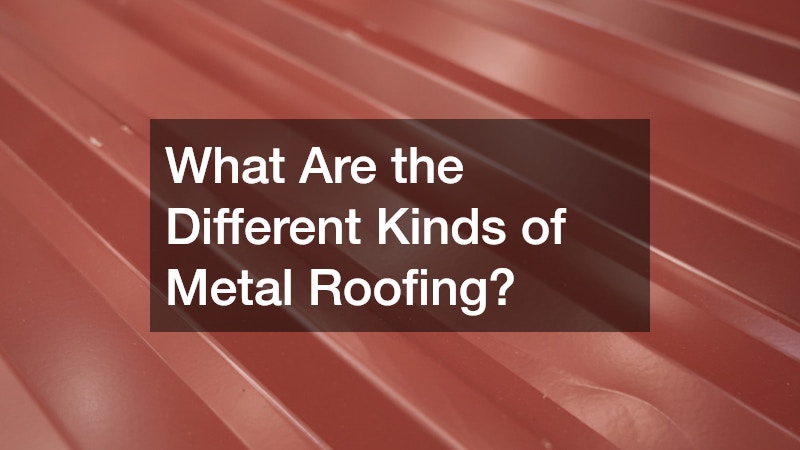
Standing seam is one of the most recognizable types of metal roofing. It consists of long metal panels that run vertically from the ridge toward the edge of the roof, with raised seams connecting adjacent panels.
These seams give the roof its distinctive clean and modern appearance while helping keep important connections above the primary drainage surface.
Many standing seam systems use concealed fasteners, meaning the screws or clips securing the panels are located underneath the roofing rather than exposed to the weather. This design allows the panels to expand and contract as temperatures change while reducing the number of exposed attachment points. Standing seam metal roofing can be used on contemporary homes as well as traditional properties where homeowners want a simple, streamlined appearance.
Corrugated Metal Roofing
Corrugated roofing uses metal sheets formed into repeating waves or ridges. These patterns add strength to relatively thin sheets of metal while creating a recognizable appearance that was traditionally associated with agricultural and industrial buildings. Today, corrugated products are also used on houses, cabins, garages, and other residential structures.
Unlike many standing seam systems, corrugated panels commonly use exposed fasteners that pass through the surface of the roofing material. Proper placement and sealing of these fasteners are important because they are directly exposed to weather conditions. Homeowners interested in corrugated metal roofing should understand its maintenance requirements and make sure the product is suitable for their particular roof design.
Metal Shingles
Homeowners who want the performance characteristics of metal without the appearance of large panels can consider metal shingles. These products are manufactured as smaller individual pieces or panels designed to create a more traditional roofing appearance. From the ground, some styles can resemble conventional asphalt shingles while providing the characteristics associated with a metal system.
Metal shingles are available in numerous colors, profiles, and finishes. Their smaller size can also make them visually appropriate for homes where large vertical panels might look out of place. Installation requirements vary by manufacturer, making it important to use contractors familiar with the particular metal roofing product being installed.
Metal Shake Roofing
Traditional wood shakes provide a distinctive rustic appearance, but homeowners may also find metal products designed to create a similar look. Metal shake roofing uses shaped and textured panels that imitate the dimensional appearance of split wood. This can provide homeowners with another option when they like the appearance of shakes but want to explore a metal alternative.
Metal shakes can be manufactured in different colors and surface patterns to create depth across the roof. Unlike natural wood, metal does not experience the same type of rot or insect damage associated with organic materials. The appearance and performance can vary significantly between products, so homeowners should compare samples before selecting a particular system.
Metal Tile Roofing
Metal can also be formed to resemble traditional clay or concrete roofing tiles. The panels are shaped to create the curves, shadows, and repeating patterns associated with tile roofs. This allows homeowners to achieve a Mediterranean, Spanish, or Southwestern-inspired appearance without necessarily using traditional clay tiles.
Weight can be one reason homeowners investigate this type of metal roofing. Traditional clay and concrete tiles can be considerably heavier, potentially requiring additional structural considerations depending on the home. Metal tile products can provide a similar visual style while generally weighing less, although the roof structure should still be evaluated before installation.
Steel Roofing
Steel is one of the most commonly used materials for residential metal roofs. It can be manufactured into standing seam panels, corrugated sheets, shingles, shakes, and tile-style products. Protective coatings are generally applied to help the steel resist corrosion and environmental exposure.
Several types and grades of coated steel products are available, and their performance characteristics can differ. The appropriate coating can depend on climate, environmental exposure, and the manufacturer’s specifications. When considering steel metal roofing, homeowners should ask about the specific material, protective coating, finish, and warranty rather than simply comparing appearance.
Aluminum Roofing
Aluminum is another material used to manufacture residential roofing systems. One of its notable characteristics is its natural resistance to corrosion, which can make it an option worth considering in environments where moisture and salt exposure are concerns. Aluminum is also lightweight compared with many other roofing materials.
The material can be manufactured into panels, shingles, and other profiles to accommodate different architectural styles. Aluminum is generally softer than steel, which means product design and thickness are important considerations. Homeowners should compare the advantages, costs, and installation requirements of aluminum with other metal roofing materials before choosing it.
Copper Roofing
Copper is one of the most visually distinctive roofing metals. When newly installed, it has a bright metallic appearance that gradually changes as the material reacts with the environment. Over time, copper can develop a recognizable patina that is often considered an important part of its architectural appeal.
Because copper is relatively expensive, it may be used selectively rather than across an entire residential roof. Homeowners sometimes choose it for dormers, bay windows, porches, flashing, or other architectural details. Full copper metal roofing is also available for properties where the appearance and characteristics of the material justify the larger investment.
Zinc Roofing
Zinc is another premium roofing material that can develop a protective patina as it ages. It is commonly associated with distinctive architectural projects and can provide a smooth, sophisticated appearance. Zinc can be formed into panels and other roofing components depending on the design of the building.
Like copper, zinc generally represents a larger investment than common steel roofing products. Installation also requires contractors who understand the characteristics of the material and the techniques required for the particular system. Homeowners considering zinc should evaluate both the initial cost and the long-term characteristics of the roof.
Exposed-Fastener and Concealed-Fastener Systems
Another way to distinguish metal roofs is by examining how the panels are attached. Exposed-fastener systems use screws that pass directly through the exterior surface of the panels, while concealed-fastener systems hide most attachment points beneath seams or overlapping sections. Each approach has different installation and maintenance considerations.
Exposed-fastener systems can be relatively straightforward to install, but the fasteners and washers remain exposed to changing weather conditions. Concealed systems can provide a cleaner appearance and allow certain panels to move as temperatures change. The appropriate system depends on roof design, product specifications, budget, and the homeowner’s priorities.
Choosing the Right Type of Metal Roof
There is no single type of metal roof that is ideal for every property. Homeowners can choose among standing seam panels, corrugated sheets, shingles, shakes, tiles, and several different metals, including steel, aluminum, copper, and zinc. Each option offers a different combination of appearance, price, maintenance requirements, and installation considerations.
Before choosing metal roofing, homeowners should evaluate the roof’s slope, structure, architectural style, climate, and budget. It is also important to compare product warranties and understand how the selected system will be installed and maintained. Working with an experienced roofing professional can help homeowners compare the available options and choose a metal roofing system that fits both the practical and visual needs of their home.