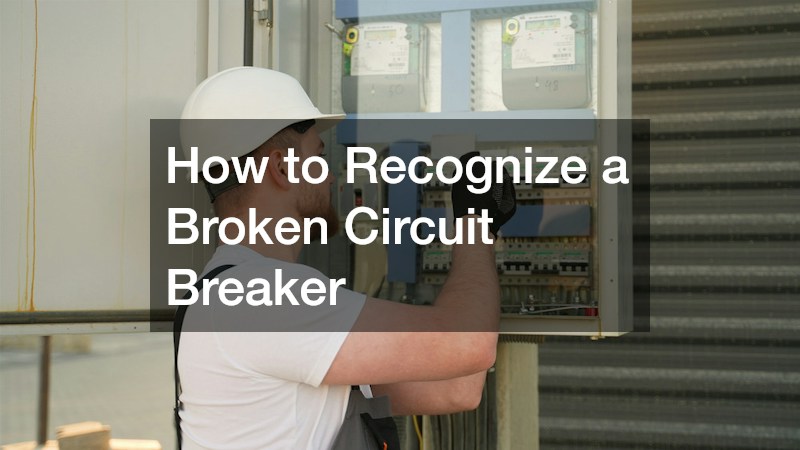

Circuit breakers are an important part of a home’s electrical system. They are designed to interrupt the flow of electricity when a circuit becomes overloaded or another potentially unsafe electrical condition occurs. Most homeowners are familiar with resetting a breaker after it trips, but repeated electrical problems may sometimes indicate that the breaker itself is no longer working correctly.
Recognizing the warning signs of a damaged or malfunctioning breaker can help you determine when an electrical problem needs professional attention. Because electrical panels contain potentially dangerous currents, homeowners should avoid attempting complicated repairs themselves.
An experienced electrical contractor can inspect the panel, determine what is causing the problem, and replace damaged components when necessary.
A Breaker Keeps Tripping
An occasional tripped breaker does not necessarily mean that anything is wrong with the breaker. It may simply be responding to an overloaded circuit, such as when several high-powered appliances are being used simultaneously.
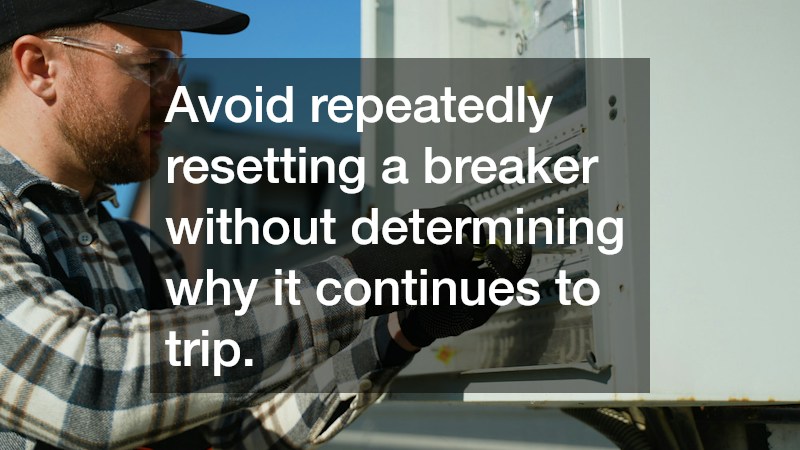
Repeated tripping, however, deserves further investigation. If a breaker trips shortly after being reset or continues tripping under normal electrical loads, there could be an overloaded circuit, damaged wiring, a faulty appliance, or a problem with the breaker.
Avoid repeatedly resetting a breaker without determining why it continues to trip. The breaker may be responding to an electrical condition that needs to be corrected.
The Breaker Will Not Stay in the On Position
Another warning sign is a breaker that will not remain in its normal operating position. You might attempt to reset it only to have it immediately move back to the tripped position.
Sometimes this happens because the circuit still has an electrical fault. In other cases, the breaker mechanism itself may be damaged or worn out.
Try unplugging devices connected to the affected circuit before resetting the breaker. If it still will not remain on, professional inspection may be necessary. Continuing to force or repeatedly reset the breaker will not solve the underlying problem.
You Notice a Burning Smell Near the Electrical Panel
A burning odor near an electrical panel should always be treated seriously. Excessive heat can damage breakers, wiring, insulation, and other electrical components.
If you notice an unusual burning or melted-plastic smell near the panel, avoid touching damaged components. Depending on the severity of the situation, shutting off power may be appropriate if it can be done safely.
Burning odors can have several causes, including loose connections, overheating components, or damaged wiring. An electrician can inspect the system to identify the source before additional damage occurs.
The Breaker or Panel Feels Unusually Hot
Electrical components can generate some heat during normal operation, but noticeable or excessive heat can indicate a problem. A breaker that appears unusually hot compared with surrounding components could be experiencing an excessive electrical load or a poor connection.
Heat may also indicate that electrical resistance is developing somewhere within the system. Over time, excessive temperatures can damage insulation and other components.
Do not remove the panel cover to investigate the source yourself. Electrical panels contain energized components even when individual breakers have been switched off.
There Are Visible Signs of Damage
Some breaker problems leave obvious physical evidence. Discoloration, scorching, melting, cracking, or other visible damage around a breaker or electrical panel should not be ignored.
These signs may indicate that excessive heat or arcing has occurred. Damage can sometimes extend beyond the breaker itself to nearby wiring or connections, which makes a complete inspection important.
Even if the electrical system appears to be functioning normally after visible damage is discovered, the affected components should be evaluated before regular use continues.
Lights Flicker or Power Cuts Out
Flickering lights can have many causes, including loose bulbs or issues with individual fixtures. However, when several lights or outlets connected to the same circuit experience intermittent power, the problem may be somewhere within the electrical system.
You might notice lights dimming unexpectedly, outlets temporarily losing power, or devices repeatedly shutting off. A damaged breaker is one possible cause, although loose wiring and other electrical faults can produce similar symptoms.
Tracking which rooms, outlets, or fixtures experience problems can provide useful information when the electrical system is inspected.
The Breaker Appears Old or Worn
Circuit breakers do not necessarily fail simply because they are old, but electrical components can wear over time. Breakers that have experienced frequent trips, overheating, or years of regular use may eventually require replacement.
Older electrical panels may also contain equipment that no longer meets the needs of a modern household. Today’s homes often use significantly more electronic devices and appliances than homes did several decades ago.
If an older panel is experiencing frequent problems, an electrician can evaluate both individual breakers and the overall electrical system.
Outlets Stop Working Without an Obvious Reason
When several outlets suddenly stop working, homeowners often check the electrical panel first. If the breaker has tripped, resetting it may restore power. If the breaker appears normal but the circuit remains dead, there may be another electrical problem.
Before assuming the breaker has failed, check whether a nearby GFCI outlet has tripped. These outlets can sometimes control additional receptacles located elsewhere on the same circuit.
If basic troubleshooting does not restore power, avoid dismantling outlets or electrical-panel components unless you have the appropriate training.
Know When to Call a Professional
A circuit breaker is designed to protect your home’s electrical system, so recurring problems should not simply be treated as inconveniences. Frequent trips, excessive heat, burning odors, visible damage, intermittent power, or a breaker that refuses to reset can all indicate that further inspection is necessary.
Electrical problems can have multiple causes, and symptoms that appear to point to a broken breaker may actually originate elsewhere in the circuit. A qualified electrical contractor can test the breaker, inspect the associated wiring, and determine what repairs are appropriate. Addressing electrical warning signs promptly can help keep a relatively small problem from developing into a more serious issue.