
Your home’s electrical panel serves as the central distribution point for electricity traveling throughout the property. Electricity enters the home and is divided into individual circuits that supply outlets, lights, appliances, and other electrical equipment. Understanding the basic purpose of the panel can help homeowners recognize potential problems and know when it is time to contact an electrical contractor.
What Does an Electrical Panel Do?
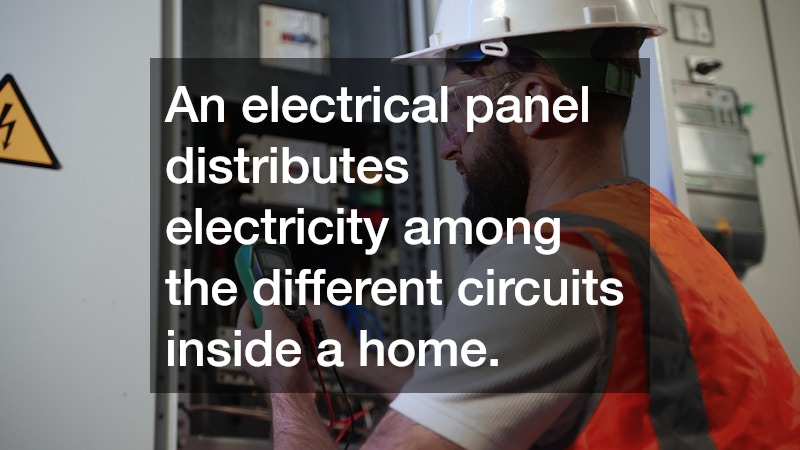
An electrical panel distributes electricity among the different circuits inside a home. Each circuit is designed to provide power to a particular area or group of electrical devices, such as bedroom outlets, kitchen appliances, or lighting.
The panel provides an organized location where these circuits can be controlled and protected.
Modern panels generally contain circuit breakers that automatically interrupt electricity when certain electrical problems occur. This protection is designed to reduce the risk of wiring and equipment being exposed to unsafe electrical conditions. If breakers frequently trip, an electrical contractor can investigate whether the problem involves the circuit, connected equipment, or another part of the electrical system.
Understanding the Main Breaker
Many electrical panels contain a main breaker that controls electrical power supplied to the home’s branch circuits. Turning off the main breaker can disconnect power to most or all circuits supplied by that panel. Individual breakers below it control smaller sections of the electrical system.
The main breaker also has an amperage rating associated with the electrical service and equipment. Homeowners should not assume that simply installing a larger breaker will give their home more electrical capacity, since wiring and other equipment must be properly sized. An electrical contractor should evaluate the system before changes are made to service capacity or major panel components.
How Circuit Breakers Work
Circuit breakers are designed to interrupt electrical flow when certain unsafe conditions develop. For example, excessive current caused by an overloaded circuit or short circuit can cause a breaker to trip. Once the underlying problem has been addressed, a breaker may be reset to restore power.
A breaker that trips occasionally because too many devices were being used may have an identifiable cause. Breakers that repeatedly trip without an obvious explanation should receive additional attention rather than simply being reset over and over. An electrical contractor can perform testing to determine why the breaker continues to activate.
Why Panel Labels Matter
Electrical panels should have a directory identifying which areas or equipment are controlled by individual breakers. Clear labels can make it much easier to shut off electricity to a particular room, outlet, appliance, or fixture. Accurate labeling can also save time when maintenance or electrical repairs are required.
Unfortunately, labels may become inaccurate after renovations or electrical modifications. Some older panels contain handwritten descriptions that are difficult to understand or no longer correspond with the home’s current layout. An electrical contractor can help identify circuits when homeowners are unsure what individual breakers control.
Different Circuits Handle Different Loads
Not every electrical circuit in a home serves the same purpose. General lighting and receptacles may share certain circuits, while major appliances frequently have dedicated circuits designed specifically for their electrical requirements. Electric ranges, dryers, HVAC equipment, water heaters, and other large devices may require their own connections.
Modern kitchens, bathrooms, garages, and other areas may also have electrical requirements that differ from those in older homes. Adding new appliances without considering existing capacity can potentially overload circuits or create other problems. Before installing equipment with significant power requirements, homeowners may want an electrical contractor to evaluate the available electrical capacity.
What Happens When a Breaker Trips?
When a breaker trips, its switch typically moves away from its normal operating position. Depending on the panel, the breaker may appear to sit somewhere between the fully on and off positions. Resetting usually requires moving the breaker completely to the off position before switching it back on.
Homeowners should pay attention to what was happening immediately before the breaker tripped. Running several high-demand appliances at once, plugging in a particular device, or using an outlet with an electrical problem may provide useful clues. If the breaker immediately trips again, homeowners should avoid repeatedly resetting it and consider calling an electrical contractor.
Warning Signs Around the Electrical Panel
Electrical panels should generally operate without producing unusual sounds, smells, or excessive heat. Buzzing, crackling, burning odors, visible discoloration, or unusual warmth around electrical equipment can indicate a potentially serious issue. These symptoms should not be ignored or treated as normal signs of an aging system.
Rust, corrosion, moisture, damaged breakers, or loose components can also justify professional attention. Homeowners should avoid removing panel covers or touching internal wiring because energized components may remain dangerous even when individual breakers are switched off. An electrical contractor has the training and equipment necessary to inspect internal components safely.
Older Panels May Need Additional Attention
Electrical demands have changed considerably as households have added computers, entertainment systems, kitchen appliances, HVAC equipment, chargers, and other devices. An electrical system designed decades ago may not have been intended to support the number and type of electrical loads found in a modern household. Age alone does not necessarily mean a panel must be replaced, but it can be an important consideration.
Older equipment may also contain components that are worn, obsolete, or difficult to replace. Renovations and previous repairs can further complicate the condition of an older electrical system. An electrical contractor can inspect the panel and determine whether repairs, upgrades, or replacement should be considered.
Electrical Panels and Home Renovations
Home renovations frequently involve changes to the electrical system. Adding a finished basement, remodeled kitchen, home office, workshop, or major appliance can increase the number of circuits or amount of electrical capacity the property requires. The existing panel may need to be evaluated before those additions are completed.
In some cases, there may be sufficient capacity and physical space for additional circuits. Other projects may require panel modifications, additional equipment, or a larger electrical upgrade. Consulting an electrical contractor during the planning stage can help homeowners understand electrical requirements before construction begins.
Keep the Area Around the Panel Accessible
Electrical panels should remain reasonably easy to reach. Stacking furniture, boxes, storage containers, or other belongings directly around the panel can make it difficult to access during maintenance or an emergency. Keeping the surrounding area organized also makes routine visual checks easier.
Homeowners should know where their primary electrical panel is located and make sure other household members can identify it when necessary. However, knowing where the panel is located does not mean homeowners should attempt complicated electrical repairs themselves. Work involving internal panel components should generally be left to a qualified electrical contractor.
Know When to Request Professional Help
A home’s electrical panel is designed to quietly manage one of the property’s most important systems. Homeowners do not need to understand every wire and component, but recognizing breakers, labels, circuits, and basic warning signs can make electrical problems easier to identify. Repeated breaker trips, unusual noises, burning smells, corrosion, or problems following the addition of major appliances are all reasons to investigate further.
Electrical panels contain potentially dangerous energized components, making professional expertise particularly important when repairs or modifications are necessary. A qualified electrical contractor can inspect the equipment, diagnose problems, evaluate capacity, and recommend appropriate improvements. Understanding the basics of the panel allows homeowners to make better decisions while leaving complicated electrical work to trained professionals.