
Major storms can leave roofs with missing shingles, punctures, leaks, damaged flashing, and other problems that require quick attention. When several properties in the same area are damaged at once, homeowners may suddenly have many contractors offering inspections and repairs. Comparing roofing companies carefully can help homeowners avoid rushed decisions and choose professionals who are prepared to handle storm-related work correctly.
Start With a Careful Roof Inspection
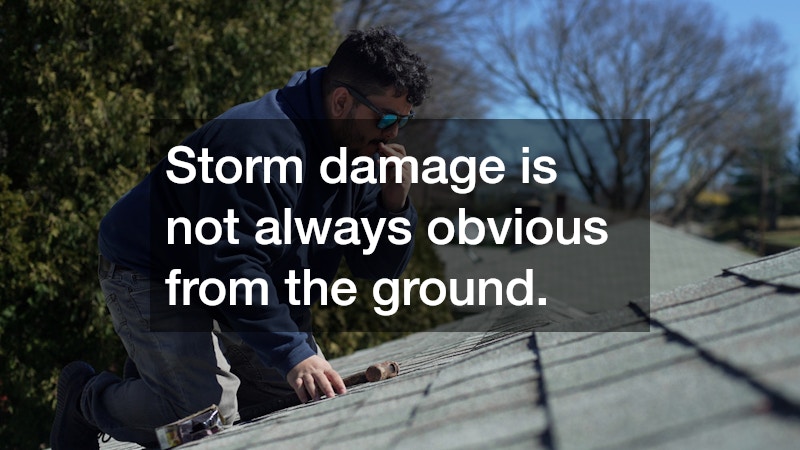
Storm damage is not always obvious from the ground. Missing shingles may be easy to spot, but hail damage, loosened flashing, damaged vents, and small punctures can be much more difficult for homeowners to identify.
A professional inspection can help determine the extent of the damage and whether temporary protection or permanent repairs are needed.
Reputable roofing companies should be willing to explain what they find during the inspection. Homeowners can ask for photographs or documentation of damaged areas when appropriate. Clear evidence makes it easier to understand why particular repairs are being recommended.
Verify Licensing and Insurance
Before allowing anyone to begin work, homeowners should confirm that the contractor meets applicable licensing requirements. Requirements vary by location, so it is important to understand what is expected in the area where the property is located. A legitimate contractor should also be able to provide information about its insurance coverage.
Insurance is especially important because roofing work involves ladders, elevated surfaces, tools, and potentially hazardous conditions. Homeowners should avoid assuming that every contractor who appears after a storm has the appropriate coverage. Established roofing companies should be prepared to provide documentation and answer reasonable questions about their qualifications.
Be Cautious About High-Pressure Sales Tactics
Major storms can create opportunities for contractors from outside the area to quickly solicit damaged neighborhoods. Some may be legitimate businesses, but homeowners should still be cautious when someone pressures them to sign an agreement immediately. A damaged roof may require prompt action, but homeowners generally benefit from taking enough time to understand what they are agreeing to.
Be especially careful if a contractor insists that an offer is only available for a very short period of time. Professional roofing companies should give homeowners an opportunity to review estimates, ask questions, and understand the proposed work. Pressure to sign before reviewing important details can be a warning sign.
Compare More Than the Lowest Price
Cost is an important consideration after storm damage, but the lowest estimate is not automatically the best choice. One estimate may include materials, flashing replacement, ventilation work, cleanup, and other items that are missing from another quote. Comparing the scope of work is therefore just as important as comparing the final number.
Homeowners should ask roofing companies to provide detailed written estimates whenever possible. The estimate should explain the work being proposed, materials being used, and major costs associated with the project. A clear estimate can make it much easier to compare contractors fairly.
Ask About Storm Damage Experience
Storm-related roofing projects can involve issues that are different from an ordinary planned roof replacement. Contractors may need to identify damage caused by wind, hail, falling branches, or wind-driven rain while also helping prevent further water intrusion. Experience with these conditions can be valuable when determining the appropriate repair strategy.
Homeowners can ask roofing companies how frequently they work on storm-damaged properties. Contractors should be able to explain how they inspect damage and determine whether individual repairs or broader replacement work may be necessary. Relevant experience can also help contractors recognize less obvious areas that should be checked.
Review Local Reputation
A strong local reputation can provide useful information when choosing a contractor. Homeowners can look for businesses that have been operating in the area for some time and have a history of completing residential roofing projects. Online reviews, referrals, and recommendations from people in the community can all provide additional perspective.
No contractor will necessarily have perfect reviews, so homeowners should look at overall patterns rather than focusing on a single comment. Pay attention to how roofing companies respond to complaints, communication problems, or warranty concerns. A business that addresses issues professionally may be more dependable over the long term.
Understand the Proposed Materials
Storm damage may require replacing only part of a roof or installing an entirely new roofing system. Either way, homeowners should understand what materials the contractor plans to use. This includes the type and brand of shingles, underlayment, flashing, ventilation components, and other materials included in the project.
Different roofing products can have different installation requirements and warranty terms. Reliable roofing companies should be able to explain why they recommend a particular product for the home. Homeowners should also make sure the materials listed in the contract match what was discussed during the estimate.
Ask How Temporary Damage Will Be Handled
Sometimes permanent repairs cannot begin immediately after a major storm. Materials may need to be ordered, weather conditions may prevent safe work, or contractors may already have several projects scheduled. In these situations, temporary measures may be necessary to reduce additional water damage.
Homeowners should ask whether the contractor can install tarps or take other appropriate temporary steps when needed. Roofing companies should also explain what those temporary repairs can and cannot accomplish. Temporary protection is not a substitute for permanent repairs, but it can help protect the property while homeowners wait for the full project.
Read the Contract Carefully
A roofing contract should clearly describe the project before work begins. Homeowners should review the scope of work, payment schedule, estimated timeline, materials, warranty information, cleanup responsibilities, and procedures for unexpected changes. Anything that is unclear should be discussed before the agreement is signed.
Storm damage can make homeowners feel pressure to move quickly, but the contract still deserves careful attention. Professional roofing companies should be willing to answer questions about the agreement and explain any unfamiliar terms. Verbal promises should ideally be reflected in the written contract when they are important to the project.
Understand Warranty Coverage
Roofing projects may involve both manufacturer warranties and contractor workmanship warranties. These warranties can cover different issues, so homeowners should understand what each one includes. The length of a warranty alone does not necessarily explain the extent of the protection.
Homeowners should ask roofing companies what happens if a problem develops after the work is completed. It is also helpful to understand whether any maintenance requirements could affect warranty coverage. Keeping copies of contracts, receipts, warranty documents, and product information can make future questions easier to resolve.
Confirm Cleanup and Property Protection
Replacing or repairing a storm-damaged roof can generate nails, damaged shingles, packaging, and other debris. Contractors may also need to move materials and equipment around landscaping, driveways, decks, and other parts of the property. Homeowners should ask how these areas will be protected during the project.
A contractor should have a plan for collecting debris and cleaning the site after the work is finished. Reputable roofing companies generally recognize that the condition of the property after the project is an important part of the overall customer experience. Discussing cleanup beforehand can reduce misunderstandings later.
Choose a Contractor You Can Reach After the Storm
Major storm damage can create urgency, but choosing a roofer should still involve careful research. Homeowners should compare qualifications, estimates, materials, warranties, experience, reputation, communication, and the complete scope of work. These factors can provide a much clearer picture than simply choosing whichever contractor arrives first.
Reliable roofing companies should be willing to inspect the damage, explain their recommendations, and provide clear information before beginning the project. Taking the time to choose carefully can help homeowners feel more confident about the repairs protecting their property. After a major storm, that dependable workmanship and communication can be just as important as getting the work started quickly.