
Asphalt roofing is one of the most common choices for homeowners because it offers a practical balance of affordability, appearance, and performance. Asphalt shingles are available in many colors and styles, making them suitable for a wide range of home designs. Before choosing this material for a residential roofing project, homeowners should understand both its advantages and its limitations.
Pro: Asphalt Roofing Is Affordable
One of the biggest advantages of asphalt roofing is its relatively low upfront cost compared with many other materials. Metal, slate, clay tile, and some synthetic roofing products can require a significantly larger initial investment.
Asphalt shingles give homeowners an accessible option when they need dependable roof protection without dramatically increasing the project budget.
Installation costs can also be more manageable because asphalt shingles are widely used and familiar to many roofing professionals. The materials are generally easy to transport, cut, and install compared with heavier or more specialized systems. For many residential roofing projects, this combination of material and labor costs makes asphalt an attractive choice.
Pro: There Are Many Styles Available
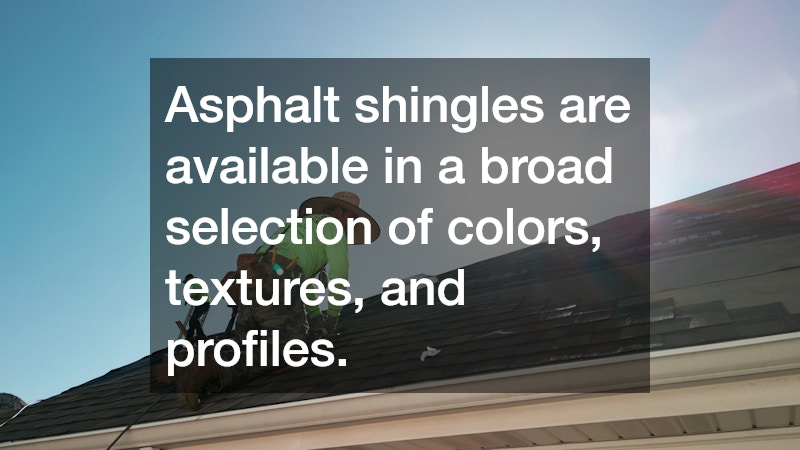
Asphalt shingles are available in a broad selection of colors, textures, and profiles. Homeowners can choose products that complement brick, siding, stone, trim, and other exterior materials. This variety makes it easier to coordinate a new roof with the overall architectural style of the property.
Architectural shingles can also provide a more dimensional appearance than traditional three-tab shingles. Some premium asphalt products are manufactured to resemble materials such as wood shakes or slate without requiring the same type of installation. This flexibility allows residential roofing professionals to offer homeowners several aesthetic options within the asphalt category.
Pro: Installation Is Relatively Straightforward
Asphalt shingles are commonly installed on pitched residential roofs, so many professional roofers have extensive experience working with them. The installation process generally involves preparing the roof deck, installing underlayment and flashing, and securing shingles in overlapping rows. When completed properly, those layers work together to direct water away from the underlying structure.
A straightforward installation does not mean homeowners should overlook workmanship. Improper nail placement, poorly installed flashing, or inadequate roof preparation can still lead to problems. Professional residential roofing installation is important for making sure the entire system is assembled according to product requirements and appropriate building practices.
Pro: Repairs Can Be More Manageable
Individual asphalt shingles can sometimes be damaged by wind, falling branches, hail, or normal aging. When damage is limited to a relatively small section, a contractor may be able to replace affected shingles rather than replacing the entire roof. This can make certain repairs simpler and less expensive than repairs involving some other roofing materials.
Matching existing shingles can become more difficult as a roof ages because colors may fade or a specific product may no longer be manufactured. Even so, localized repairs are often possible when the surrounding roofing remains in good condition. A residential roofing inspection can help determine whether repairing a limited area is appropriate or whether widespread deterioration requires a larger project.
Pro: Asphalt Works With Many Home Designs
Asphalt shingles can be installed on many common pitched roof designs, including gable, hip, gambrel, and combination roofs. Their relatively small size allows contractors to fit them around valleys, dormers, chimneys, and other architectural features. This adaptability is one reason asphalt continues to be widely used on residential properties.
Different shingle products are designed for different roof conditions, so pitch and manufacturer requirements still matter. Very low-slope roof sections may require another type of roofing system rather than conventional shingles. Residential roofing professionals can evaluate the roof design and determine which materials are appropriate for each section.
Con: Asphalt Roofing Does Not Last Forever
Although asphalt shingles can provide many years of service, they generally do not offer the same potential lifespan as certain premium roofing materials. Natural slate, some metal roofs, and tile systems may remain functional considerably longer when properly installed and maintained. Homeowners should therefore consider long-term replacement expectations when comparing materials.
The actual lifespan of an asphalt roof depends on product quality, installation, climate, ventilation, maintenance, and exposure to severe weather. Two roofs using similar shingles may age differently when they are exposed to different conditions. Regular residential roofing inspections can help identify signs of deterioration before they develop into larger problems.
Con: Weather Can Cause Damage
Asphalt shingles are constantly exposed to sunlight, wind, rain, temperature changes, and other environmental conditions. Strong winds can lift or remove shingles, while hail and falling debris can damage their surfaces. Repeated exposure to extreme temperatures can also contribute to gradual wear.
Shingles may become brittle, cracked, curled, or loose as they age. Granules can also wear away from the surface over time, which may become noticeable in gutters or near downspouts. Homeowners should arrange a residential roofing inspection after major storms if they suspect their roof may have been damaged.
Con: Appearance Can Change With Age
A new asphalt roof can significantly improve a home’s exterior appearance, but shingles naturally change as they are exposed to the environment. Sunlight can contribute to fading, while algae, moss, or debris may create discoloration in certain climates. Different areas of the roof may also age at different rates depending on sun exposure and shade.
Regular maintenance can help preserve the appearance of the roof, but homeowners should avoid aggressive cleaning methods that could damage shingles. Walking unnecessarily on the roof can also contribute to wear or create safety risks. Residential roofing professionals can recommend appropriate methods for addressing staining or other cosmetic concerns.
Con: Asphalt Roofing Creates Replacement Waste
When an asphalt roof reaches the end of its service life, large quantities of old shingles may need to be removed. This can generate substantial construction waste during a full roof replacement. Disposal requirements and recycling options vary depending on the location and the materials involved.
In some situations, local codes and roof conditions may allow new shingles to be installed over an existing layer, but this is not always recommended or permitted. Removing the old roof gives contractors an opportunity to inspect the decking and identify hidden damage. A residential roofing contractor can explain the available options based on the existing roof and local requirements.
Is Asphalt Roofing Right for Your Home?
Asphalt roofing offers several advantages, including affordability, design variety, straightforward installation, and relatively convenient repairs. Its widespread availability also makes it practical for many homeowners who want a familiar and versatile roofing system. At the same time, asphalt shingles can experience weather damage, aesthetic changes, and gradual deterioration that eventually requires replacement.
The best roofing material depends on the home’s design, local climate, budget, and the homeowner’s long-term priorities. Comparing asphalt with metal, tile, slate, and other options can provide a clearer picture of which material offers the right balance of cost and performance. A qualified residential roofing professional can inspect the property, explain appropriate products, and help homeowners choose a roofing system that fits their needs.