
Hiring a roofer is an important decision because the quality of the work can affect your home for years. Whether you need a small repair, a full replacement, or help diagnosing a leak, choosing the right contractor requires more than comparing prices.
Before hiring a roofing company, homeowners should ask detailed questions about experience, insurance, warranties, materials, scheduling, and the scope of the project. A good contractor should be willing to explain the process clearly and provide enough information for you to make an informed decision.
How Long Have You Been in Business?
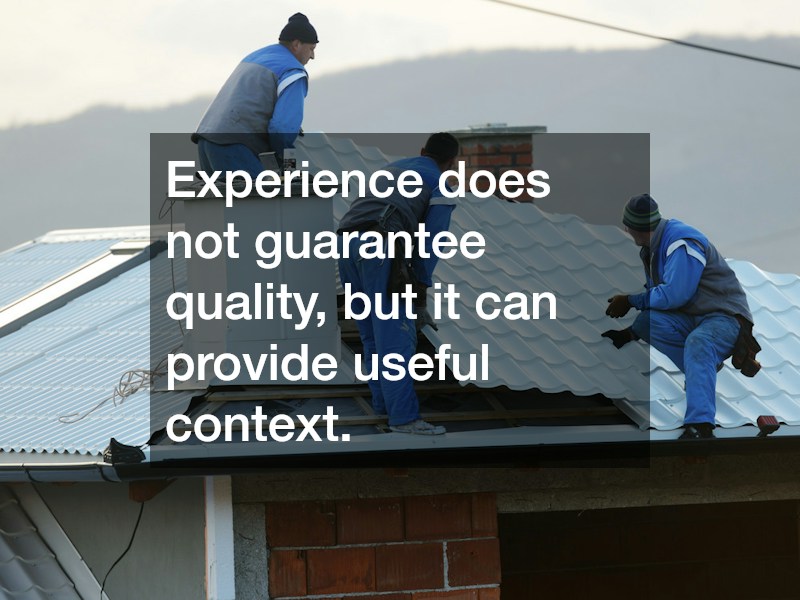
Experience does not guarantee quality, but it can provide useful context.
Ask how long the contractor has been working in roofing and whether the company regularly handles projects similar to yours.
A contractor that primarily works on commercial buildings may have a different background than one that specializes in residential asphalt shingles.
You can also ask how long the roofing company has operated under its current name. This may help you understand whether the business has an established local track record.
Are You Licensed and Insured?
Requirements vary by location, but homeowners should always ask about licensing and insurance.
A contractor should be able to explain what licenses or registrations are required in your area and provide documentation when appropriate.
Insurance is particularly important.
Ask whether the company carries general liability insurance and workers’ compensation coverage where applicable.
Without proper coverage, a roofing accident could potentially create complications for the property owner.
Do not hesitate to request proof rather than relying only on verbal assurances.
Can You Provide References?
References can provide insight into how a contractor communicates, schedules work, handles problems, and completes projects.
Ask for recent customers who had similar roofing work performed.
You can also review online feedback, but look for patterns rather than focusing on a single positive or negative review.
If several customers mention the same strengths or concerns, that information may be more useful.
A reputable roofing company should generally be comfortable discussing past work and providing examples of completed projects.
What Does the Estimate Include?
A roofing estimate should be detailed enough to show what you are paying for.
Ask whether it includes labor, materials, disposal, permits, flashing, underlayment, ventilation work, cleanup, and any other necessary components.
A vague estimate can make it difficult to compare competing bids.
Two contractors may provide very different prices because one includes work that the other has left out.
Make sure you understand the full scope before signing an agreement.
What Happens if You Find Hidden Damage?
Some roofing problems are not visible until old materials are removed.
For example, contractors may discover damaged decking underneath shingles during a replacement.
Ask how these situations are handled.
Will the contractor stop and contact you before completing additional work? How will extra costs be calculated?
Understanding the process in advance can help prevent surprises later.
A professional roofing company should explain how change orders or unexpected repairs are documented and approved.
Which Roofing Materials Do You Recommend?
Not every roofing material is right for every home.
The contractor should be able to explain the advantages and limitations of the products being recommended.
Ask about expected lifespan, maintenance requirements, appearance, weather resistance, and cost.
If the company recommends a particular manufacturer or product line, ask why.
The answer should be based on the needs of your home rather than simply being the only material the contractor prefers to sell.
Are You Certified by Any Manufacturers?
Some roofing manufacturers offer certification or contractor programs.
These programs may require training, experience, or other qualifications.
Manufacturer certification does not automatically guarantee that a contractor is the best choice, but it may provide access to certain products or warranty options.
If a roofing company mentions certification, ask what it means and whether it affects the warranty available for your project.
What Kind of Warranty Do You Offer?
Roofing projects can involve more than one warranty.
The materials may carry a manufacturer’s warranty, while the contractor may provide a separate workmanship warranty.
Ask what each warranty covers and how long the coverage lasts.
You should also ask what could void the warranty and how claims are handled.
Get warranty information in writing whenever possible.
Homeowners should understand the difference between coverage for defective materials and coverage for installation problems.
Will You Remove the Existing Roof?
Some projects involve removing old roofing materials completely, while certain situations may allow new materials to be installed over an existing layer.
Ask what the contractor recommends for your property and why.
Removing old materials allows the roof deck to be inspected more thoroughly.
It can also reveal moisture damage, rot, or other issues that might otherwise remain hidden.
A trustworthy roofing company should explain the advantages and disadvantages of the proposed approach.
Who Will Actually Perform the Work?
The person providing the estimate may not be the person supervising the project.
Ask whether the roofing company uses its own employees, subcontractors, or a combination of both.
If subcontractors will be involved, ask who is responsible for supervising their work and confirming quality.
You should also know who your primary contact will be if questions arise during the project.
Clear communication becomes especially important once work begins.
What Is the Expected Timeline?
Ask when the contractor expects to start and approximately how long the job will take.
Weather can affect roofing schedules, so exact dates may change.
However, the company should be able to provide a reasonable estimate.
Ask what happens if rain or severe weather occurs after old materials have been removed.
The contractor should have a plan for protecting exposed portions of the roof.
Do You Handle Permits?
Some roofing projects require local permits or inspections.
Ask whether the contractor will obtain any necessary permits and whether those costs are included in the estimate.
Requirements vary by location and project type.
Homeowners should be cautious if a contractor suggests ignoring permits that are legally required.
A professional roofing company should be familiar with the rules governing the type of work being performed.
How Do You Handle Ventilation?
A roof works together with the attic and ventilation system.
Improper ventilation can contribute to heat and moisture problems that may affect roofing materials and the home’s interior.
Ask whether the contractor will evaluate existing intake and exhaust ventilation.
If changes are recommended, the contractor should explain why.
Replacing shingles without considering ventilation may leave an underlying performance issue unresolved.
What Is the Payment Schedule?
Homeowners should understand payment expectations before work begins.
Ask how much is due upfront, when additional payments are required, and what payment methods are accepted.
Be cautious about contractors demanding full payment before work begins.
A written contract should clearly explain the payment schedule and project scope.
Do not rely on verbal agreements for major roofing work.
What Should I Do if There Is a Problem Later?
Ask how the company handles callbacks and warranty concerns.
If a leak appears several months after the project, who should you contact?
How quickly does the company typically respond?
Understanding the service process can be just as important as understanding the installation itself.
A roofing company that plans to stand behind its work should have a clear procedure for addressing legitimate concerns after completion.
Compare More Than the Price
Price is important, but it should not be the only factor in choosing a roofer.
A significantly lower bid may exclude services, use different materials, or involve different warranty coverage.
Compare estimates line by line and ask questions about anything that is unclear.
Experience, communication, insurance, warranties, materials, and project management all contribute to the overall value of the job.
Ask Questions Before Signing
The best time to ask questions is before the project begins.
A dependable roofing company should be able to explain what work is necessary, what materials will be used, how the property will be protected, and what happens if unexpected problems are discovered.
Taking the time to compare contractors carefully can help homeowners avoid misunderstandings and feel more confident about a major investment in their property.
The goal is not simply to find someone who can install shingles. It is to find a contractor who communicates clearly, works responsibly, and provides a roofing solution that fits the condition and needs of the home.