
Hiring the right roofers can make a major difference in the quality, safety, and long-term performance of your roofing project. Whether you need a few damaged shingles replaced, a leak repaired, or an entirely new roof installed, it is important to ask the right questions before signing a contract.
A roofing project can involve a significant investment, and homeowners should understand who they are hiring, what work will be completed, and how the contractor plans to manage the project. Asking detailed questions can help you compare companies more effectively and avoid misunderstandings later.
How Much Experience Do You Have?
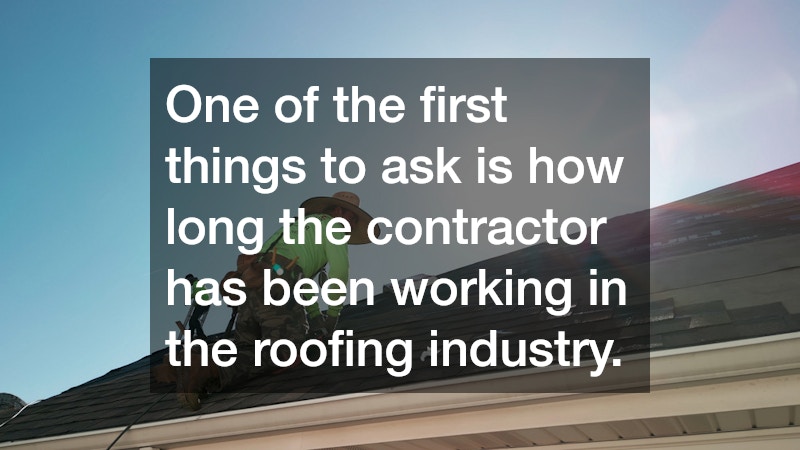
One of the first things to ask is how long the contractor has been working in the roofing industry.
Experience does not guarantee perfect work, but it can help demonstrate that a company has handled a range of roofing problems and project types. Ask whether the roofers have experience with the specific material installed on your home, such as asphalt shingles, metal, tile, or another roofing system.
You should also ask whether the company regularly handles projects similar in size and scope to yours.
Are You Licensed and Insured?
Licensing requirements vary depending on the state or municipality, so homeowners should understand what applies in their area.
Ask the contractor whether they hold any required licenses or registrations. You should also ask about insurance coverage.
Roofing can involve significant safety risks, so proper insurance is especially important. A professional contractor should be willing to explain the coverage they carry and provide documentation when requested.
Can You Provide References?
References can offer useful insight into what it is like to work with a roofing company.
Ask for recent customers who had similar work completed. When contacting references, ask about communication, workmanship, cleanup, scheduling, and whether the final cost matched expectations.
You can also ask whether the homeowner would hire the same roofers again.
Online reviews can supplement references, but direct conversations with previous customers can provide more detailed information.
What Does the Estimate Include?
A roofing estimate should explain more than the total price.
Ask what is included in the quoted amount. The estimate may cover labor, roofing materials, removal of old shingles, disposal fees, flashing, underlayment, ventilation work, permits, and other expenses.
If an estimate is vague, ask for more detail.
Comparing itemized estimates can help you understand why one contractor may charge more or less than another. It can also reduce the chance of unexpected charges after the project begins.
Will You Remove the Existing Roofing?
Depending on the condition of the roof and local requirements, a contractor may recommend removing the existing roofing material before installing a new system.
Ask whether the old roof will be torn off or whether new materials will be installed over the existing surface.
Removing the old roofing gives roofers an opportunity to inspect the decking and other underlying components for damage.
Ask what will happen if rotten or weakened decking is discovered once the existing material is removed.
How Will Unexpected Damage Be Handled?
Some roofing problems are hidden until demolition begins.
Water damage, deteriorated decking, damaged flashing, or other issues may not be visible during the initial inspection.
Ask the contractor how unexpected repairs will be handled. Will they stop and contact you before performing additional work? How will extra costs be calculated?
Having a clear process for unexpected conditions can prevent disagreements later.
What Roofing Materials Do You Recommend?
Different roofing materials offer different advantages in terms of durability, appearance, maintenance, and cost.
Ask the contractor why they recommend a particular material for your home.
Experienced roofers should be able to explain the differences between available options and how factors such as climate, roof slope, budget, and architectural style may affect the decision.
You should also ask about manufacturer warranties and the expected maintenance requirements for the material you select.
How Long Will the Project Take?
Ask for an estimated project timeline before work begins.
The total duration depends on the size of the roof, project complexity, weather, crew size, and whether significant repairs are needed beneath the existing roofing.
Keep in mind that roofing schedules can change. Rain, high winds, or extreme temperatures may delay work.
Ask how the contractor will notify you if the schedule changes and whether your property will remain protected if bad weather arrives during construction.
Who Will Be Working on My Roof?
The person who provides the estimate may not be part of the crew performing the actual work.
Ask whether the company uses its own employees, subcontractors, or a combination of both.
You should also find out who will supervise the project and who your primary contact will be if you have questions.
Knowing who is responsible for managing the roofers on-site can make communication easier throughout the project.
How Will You Protect My Property?
Roof replacement can involve falling debris, heavy materials, ladders, equipment, and frequent movement around your property.
Ask how the contractor plans to protect landscaping, siding, windows, driveways, patios, and outdoor equipment.
Contractors may use tarps, plywood, barriers, or other methods to protect vulnerable areas.
You should also ask where materials and dumpsters will be placed and whether you need to move vehicles before work begins.
What Is Your Cleanup Process?
Roofing projects can create a significant amount of debris.
Old shingles, nails, packaging, flashing, and other materials must be removed from the property.
Ask whether cleanup and disposal are included in the contract.
Professional roofers should explain how they will clean the work area and remove roofing debris once the project is complete. Some contractors also use magnetic tools to collect loose nails from lawns, driveways, and surrounding areas.
Do You Offer a Workmanship Warranty?
Manufacturer warranties typically apply to roofing materials, but homeowners should also ask whether the contractor provides a workmanship warranty.
A workmanship warranty may cover certain installation-related problems for a specified period.
Ask how long the coverage lasts, what it includes, and what homeowners must do if a problem develops.
Make sure you understand the difference between the contractor’s warranty and the manufacturer’s warranty.
Will You Inspect the Ventilation System?
Roofing and attic ventilation often work together.
Improper ventilation can contribute to excessive heat, moisture problems, and premature deterioration of certain roofing materials.
Ask whether the roofers will evaluate existing vents during the project. Depending on the home’s design, the roofing company may recommend modifications or additional ventilation.
Any recommended changes should be explained clearly before the work is approved.
Are Permits Required?
Depending on where you live and the scope of the project, roofing work may require permits or inspections.
Ask whether permits are necessary and who will be responsible for obtaining them.
Do not automatically assume the homeowner or contractor handles this responsibility. Clarifying the process early can help avoid scheduling problems or compliance issues.
What Payment Schedule Do You Require?
Before hiring a roofing company, understand when payments will be due.
Contractors may require an initial deposit followed by additional payments as work progresses. The exact structure varies by company and project.
Ask for the payment schedule in writing and make sure it matches the contract.
Be cautious if you feel pressured to make unusually large payments before substantial work begins.
What Happens if the Weather Changes?
Weather can have a major effect on roofing projects.
Ask how the contractor protects an exposed roof if rain or another storm arrives unexpectedly.
Experienced roofers should have a plan for keeping the home protected during construction and managing materials when weather conditions become unsuitable.
Understanding this process can provide additional peace of mind before the old roofing is removed.
How Will We Communicate During the Project?
Clear communication is important from the initial inspection through final cleanup.
Ask who you should contact with questions and how often you can expect updates.
For a larger roofing project, you may want updates about progress, unexpected repairs, schedule changes, and inspections.
The contractor should be able to explain how they normally communicate with homeowners throughout the process.
Ask Questions Before Making Your Decision
Homeowners should never feel uncomfortable asking questions before hiring a roofing contractor. A roof is a major part of the home’s structure, and the company performing the work should be able to explain its qualifications, process, pricing, and expectations clearly.
Before choosing between roofers, compare experience, insurance, references, estimates, warranties, materials, timelines, and communication practices.
Taking the time to ask detailed questions before construction begins can help you choose a contractor with confidence and establish clear expectations for the project from the start.