
Hiring the right HVAC professional can be the difference between a system that runs efficiently for years and one that leads to constant repairs and rising energy bills. With so many companies advertising their services, certifications offer one of the clearest ways to separate qualified professionals from those cutting corners. Knowing which credentials actually matter can help you choose an air conditioning contractor with confidence.
Why Certifications Matter in the First Place
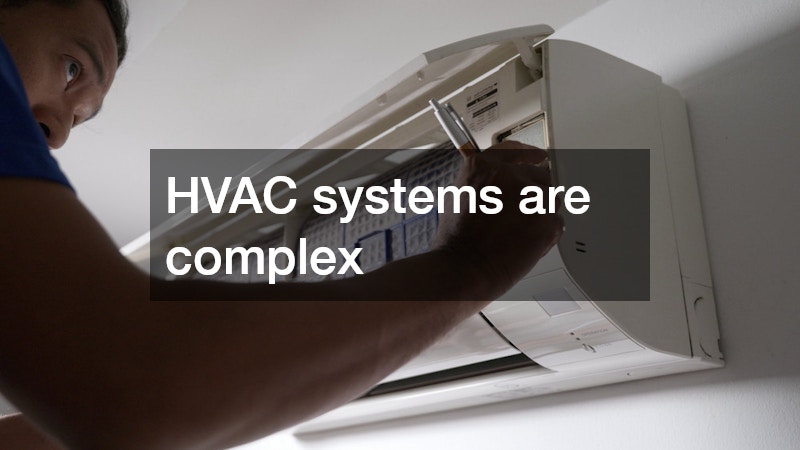
HVAC systems are complex, involving electrical components, refrigerants, ductwork, and increasingly sophisticated smart technology. A certified contractor has demonstrated a baseline level of knowledge and skill through testing, training, and often ongoing education requirements.
Without proper certification, a technician may lack the training needed to diagnose problems accurately or install equipment correctly, which can lead to inefficient systems, higher utility costs, and even safety hazards down the road.
NATE Certification
North American Technician Excellence, commonly known as NATE, is widely regarded as one of the most respected certifications in the HVAC industry. Technicians who hold NATE certification have passed rigorous exams covering installation and service across a range of systems, including air conditioning, heat pumps, and gas furnaces. Because NATE certification is not tied to any single manufacturer, it reflects broad, practical knowledge rather than training limited to one brand’s products. When vetting an air conditioning contractor, asking whether their technicians are NATE certified is a strong starting point.
EPA Section 608 Certification
Any contractor working with refrigerants is legally required to hold EPA Section 608 certification. This credential, issued by the Environmental Protection Agency, ensures technicians understand how to handle refrigerants safely and in compliance with federal regulations designed to prevent environmental harm. Since nearly all air conditioning work involves refrigerant in some capacity, this certification isn’t optional. If a contractor can’t confirm this credential, that’s a significant red flag.
State and Local Licensing
Beyond national certifications, most states require HVAC contractors to hold a specific state license to legally perform installation and repair work. Licensing requirements typically include a combination of work experience, passing an exam, and carrying appropriate insurance. Because requirements vary by state and sometimes by municipality, it’s worth confirming that a contractor’s license is current and valid for the specific type of work you need done. A quick check with your state’s licensing board can confirm this information in just a few minutes.
Manufacturer-Specific Training
Many equipment manufacturers, including major names in the HVAC industry, offer specialized training programs for contractors who install and service their products. A technician with manufacturer-specific certification has typically received hands-on training directly related to a particular brand’s equipment, which can be especially valuable if you already own that brand’s system or are considering purchasing it. This type of training often includes details on warranty requirements, so working with a manufacturer-certified contractor can also help protect your equipment’s coverage.
Building Performance Institute Certification
The Building Performance Institute, or BPI, offers certifications focused on the broader performance of a home’s heating and cooling systems, including energy efficiency and indoor air quality. Contractors with BPI certification are trained to look at how HVAC systems interact with a home’s insulation, ductwork, and overall energy usage, rather than treating the system in isolation. This whole-home approach can be particularly useful for homeowners dealing with inconsistent temperatures or high energy bills that aren’t fully explained by the equipment alone.
Insurance and Bonding
While not a certification in the traditional sense, verifying that a contractor carries proper liability insurance and bonding is just as important. This protects you financially if property damage or an accident occurs during the job. A reputable air conditioning contractor should be able to provide proof of insurance without hesitation, and it’s worth confirming coverage amounts are adequate for the scope of work being performed.
Questions to Ask Before Hiring
Before signing a contract, it helps to ask a contractor directly about their certifications and licensing. Which certifications do your technicians hold? Are you licensed to work in this state, and is that license current? Do you carry liability insurance and workers’ compensation coverage? A contractor confident in their qualifications will answer these questions clearly and provide documentation if requested. Hesitation or vague answers are worth taking seriously.
Bringing It All Together
Certifications aren’t just a formality, they’re a practical way to gauge whether a contractor has the training and accountability needed to do the job right. Between NATE certification, EPA Section 608 compliance, valid state licensing, and manufacturer-specific training, homeowners have several concrete credentials to check before making a hiring decision. Taking a few extra minutes to verify these qualifications upfront can save significant time, money, and frustration later, and it ensures the air conditioning contractor working on your home has the skills to back up their service.