
Your roof is one of the most important protective systems in your home. It shields the structure from rain, wind, sunlight, snow, and changing temperatures throughout the year. Because roof replacement can be a major expense, homeowners have good reason to protect the roof they already have.
Routine maintenance and prompt attention to small problems can help prevent premature deterioration. Working with a qualified roofing company when necessary can also make it easier to identify damage early and keep the entire roofing system in better condition.
Schedule Regular Roof Inspections
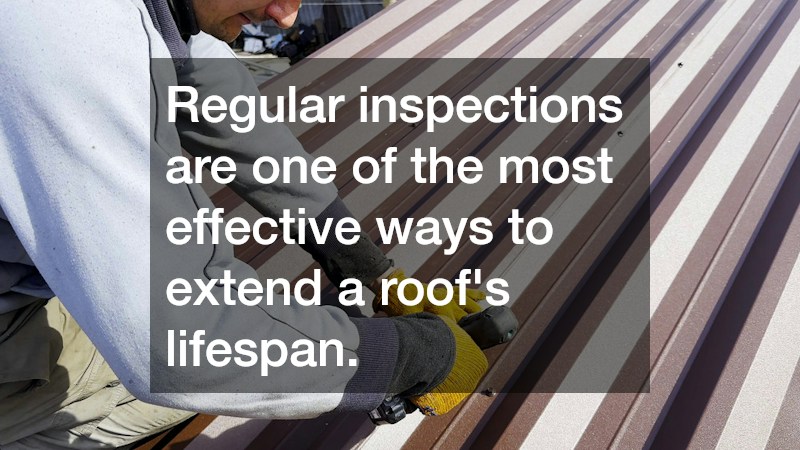
Regular inspections are one of the most effective ways to extend a roof’s lifespan.
A roof can develop damage long before leaks become visible inside the home. Missing shingles, cracked flashing, loose fasteners, worn sealant, and damaged roof vents may all create weak points.
Homeowners can visually inspect the roof from the ground, but professional inspections provide a more complete evaluation. A roofing company can examine vulnerable areas and identify signs of wear that may not be obvious from below.
Catching a small issue early can often prevent it from affecting a much larger section of the roof.
Keep Gutters and Downspouts Clean
Your gutters are directly connected to the health of your roof.
When gutters become clogged with leaves, sticks, dirt, and other debris, rainwater may not drain properly. Water can back up near the edge of the roof and contribute to moisture problems around shingles, fascia boards, and roof decking.
Clean gutters regularly, especially during seasons when trees are shedding leaves. Make sure downspouts are also clear and direct water away from the home.
If gutters frequently overflow even when clean, they may be damaged or improperly positioned.
Remove Debris From the Roof
Leaves, branches, pine needles, and other debris can collect on a roof, particularly in valleys or around chimneys and other roof penetrations.
When debris remains in place, it can hold moisture against the roofing material. Over time, this prolonged exposure may contribute to deterioration.
Branches can also scrape against shingles during windy weather.
Avoid climbing onto the roof unnecessarily to remove debris yourself. Walking on certain roofing materials can cause damage and create a serious fall risk. A professional roofing company can safely address larger accumulations when necessary.
Trim Nearby Trees
Trees provide shade and improve the appearance of a property, but branches hanging directly over a roof can create several problems.
Falling limbs may damage roofing materials during storms. Smaller branches can rub repeatedly against shingles, while leaves and twigs can clog gutters or collect in roof valleys.
Keeping tree branches a reasonable distance from the roof can reduce these risks.
Trimming can also allow more sunlight and airflow around the roof, potentially helping damp areas dry more quickly after storms.
Repair Missing or Damaged Shingles
A few damaged shingles might not seem urgent, but they can expose the layers underneath to moisture.
High winds, hail, falling branches, and normal aging can loosen or break shingles. Curling, cracking, bald spots, and missing pieces are all signs that repairs may be necessary.
Promptly replacing damaged shingles can help keep isolated problems from spreading.
Homeowners who notice visible damage after severe weather should consider scheduling an inspection with a roofing company rather than waiting for a leak to appear.
Maintain Proper Attic Ventilation
Roof maintenance does not stop at the exterior surface.
Proper attic ventilation helps control heat and moisture underneath the roof. During warm weather, excessive attic heat can place additional stress on roofing materials. During cooler conditions, trapped moisture can contribute to condensation and wood deterioration.
A balanced ventilation system generally allows fresh air to enter while warmer, moisture-laden air escapes.
If an attic feels excessively hot, damp, or musty, the ventilation system may deserve professional evaluation.
Watch for Signs of Moisture
Roof leaks are not always dramatic.
Some begin as small amounts of moisture that gradually damage insulation, decking, drywall, or framing.
Homeowners should watch for water stains on ceilings, peeling paint, damp attic insulation, musty odors, or unexplained discoloration.
Addressing these warning signs quickly can help reduce the extent of the damage.
A roofing company can inspect areas around flashing, vents, chimneys, valleys, and other common leak locations to determine where moisture is entering.
Prevent Moss and Algae Buildup
Moss and algae can develop on roofs, especially in humid or shaded conditions.
Heavy moss growth can hold moisture against roofing materials. It can also work its way around or underneath certain shingles as it grows.
Homeowners should avoid aggressively scraping or pressure washing a roof. Excessive force may damage roofing materials or remove protective granules from asphalt shingles.
Instead, ask a professional about cleaning methods appropriate for the specific roof material.
Check Flashing and Roof Penetrations
Some of the most leak-prone areas on a roof are places where different materials meet.
Flashing is commonly installed around chimneys, skylights, vents, walls, and other penetrations to direct water away from openings.
Over time, flashing can loosen, corrode, bend, or develop gaps.
Sealants used around certain components may also deteriorate.
Because these areas play such an important role in preventing leaks, they should receive attention during routine roof inspections.
Avoid Unnecessary Foot Traffic
Walking on a roof can shorten its lifespan if it is done frequently or incorrectly.
Foot traffic can loosen granules, crack brittle shingles, damage tiles, or create stress around weakened areas.
Homeowners should avoid using the roof as a place to perform unrelated work whenever possible.
When maintenance requires roof access, trained professionals generally have the equipment and experience needed to move around the surface more safely.
Address Storm Damage Quickly
Severe storms can damage roofs in a matter of minutes.
High winds may lift shingles, hail can damage roofing surfaces, and falling branches can puncture or crack materials.
After a major storm, look for obvious warning signs such as shingles on the ground, damaged gutters, fallen tree limbs, or visible roof damage.
Even if everything appears normal from the ground, a professional inspection may be worthwhile after particularly severe weather.
A roofing company can determine whether damage requires immediate repair or simply continued monitoring.
Be Proactive About Roof Maintenance
Extending your roof’s lifespan is largely about preventing small issues from becoming major ones.
Clean gutters, healthy ventilation, trimmed trees, timely repairs, and regular inspections all contribute to better long-term roof performance.
Homeowners should also pay attention to changes in the roof’s appearance and the condition of ceilings and attic spaces inside the home.
Partnering with an experienced roofing company when repairs or inspections are needed can help protect your investment. With consistent maintenance and prompt attention to damage, homeowners can give their roofing systems the best chance of providing reliable protection for as long as possible.