
A roof may look like a simple layer of shingles from the outside, but it is actually a system made up of several important components. Each part plays a role in protecting the home from rain, wind, heat, moisture, and other environmental conditions.
A secure roof depends on more than the visible roofing material alone. Professional roofers evaluate everything from the structural deck to flashing, ventilation, and drainage when determining whether a roofing system is properly built and maintained.
Understanding the main components of a roof can help homeowners recognize why repairs and maintenance are so important.
Roof Decking
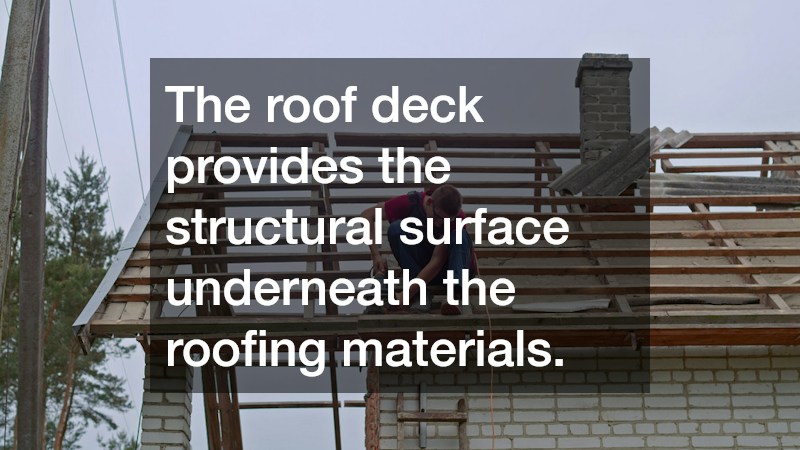
The roof deck provides the structural surface underneath the roofing materials.
It is typically made from plywood, oriented strand board, or another approved structural material. The decking is attached to the roof framing and creates the foundation that supports underlayment, shingles, and other roofing components.
If the decking becomes damaged by leaks, rot, or long-term moisture exposure, the roof can lose strength.
During a replacement project, roofers often inspect the exposed decking after removing old roofing materials. Soft, deteriorated, or damaged sections may need to be replaced before new materials are installed.
Underlayment
Underlayment creates an additional protective layer between the roof deck and the exterior roofing material.
Even though shingles are designed to shed water, underlayment provides secondary protection if moisture gets beneath them. It can also help protect the roof deck during installation before all shingles are in place.
Different types of underlayment are available, including traditional felt and synthetic products.
The appropriate material can depend on the roofing system, local climate, manufacturer requirements, and installation specifications.
Shingles or Other Roofing Materials
The exterior roofing material is the most visible part of the system.
Asphalt shingles are common on residential properties, but homes may also use metal panels, slate, clay tiles, concrete tiles, wood shakes, or synthetic products.
These materials form the primary barrier against rain, sunlight, wind, and other weather conditions.
Correct installation is critical. Shingles or panels must be properly aligned, overlapped, and fastened. Experienced roofers also follow product-specific installation instructions to reduce the risk of leaks, wind damage, or premature deterioration.
Flashing
Flashing is one of the most important components for preventing water intrusion.
It is typically made from metal or another durable material and is installed in areas where the roofing system meets another surface or structure. Common locations include chimneys, walls, skylights, valleys, and plumbing vents.
These areas can be particularly vulnerable because water may collect or flow toward openings and transitions.
Properly installed flashing directs water away from vulnerable joints. Damaged, loose, or corroded flashing can allow water to enter the roof system even when the shingles themselves are in good condition.
Roof Valleys
A roof valley is created where two roof slopes meet.
Because rainwater from multiple roof surfaces flows toward these areas, valleys can carry a significant amount of water during storms.
Valleys must be designed and installed so water can move quickly toward the gutters without penetrating the roofing system.
Depending on the roof design and material, contractors may use specialized membranes, flashing, or specific shingle patterns in valley areas.
Professional roofers pay particular attention to these sections because installation mistakes can quickly result in leaks.
Drip Edge
Drip edge is a metal component installed along the edges of the roof.
Its purpose is to guide water away from the roof deck and fascia rather than allowing moisture to run underneath roofing materials or down exposed wood.
Although drip edge may seem like a small component, it helps protect some of the roof’s most vulnerable areas.
Without effective water management along the edges, repeated moisture exposure can contribute to deterioration of the decking, fascia, and other nearby materials.
Gutters and Downspouts
Gutters are technically separate from the main roofing surface, but they play an essential role in the overall drainage system.
As rainwater leaves the roof, gutters collect it and direct it toward downspouts. The downspouts then carry water away from the home’s exterior and foundation.
Clogged or damaged gutters can cause water to back up near the roofline. This may contribute to moisture problems around fascia boards, soffits, and lower sections of the roof.
Regular gutter cleaning and maintenance can therefore support the long-term performance of the roofing system.
Roof Ventilation
Ventilation helps control heat and moisture inside the attic.
A properly designed ventilation system generally allows fresh air to enter through intake vents and warmer, moisture-laden air to leave through exhaust vents.
Without adequate airflow, excessive heat can build up during warmer months. Moisture can also become trapped inside the attic, potentially contributing to mold, wood deterioration, and insulation problems.
Qualified roofers can evaluate existing ventilation and determine whether intake and exhaust components are functioning properly together.
Soffits and Fascia
Soffits and fascia contribute to both the appearance and function of a roofing system.
Fascia boards run along the lower edge of the roof and often support the gutters. Soffits are located underneath the roof overhang.
Depending on the design, soffits may contain ventilation openings that allow fresh air to enter the attic.
Because these areas are located along roof edges, they can also be vulnerable to water damage. Peeling paint, rot, sagging sections, or visible moisture may indicate that repairs are needed.
Ridge Caps
The ridge is the highest point where two roof slopes meet.
Special ridge-cap shingles or other materials are installed over this area to create a finished surface and protect the joint underneath.
Because ridges are highly exposed to wind and weather, secure fastening is particularly important.
Some roofing systems also incorporate ridge vents along this area to allow warm attic air to escape.
Fasteners
Roofing materials depend on fasteners to remain securely attached to the structure.
Depending on the roofing system, contractors may use roofing nails, screws, clips, or other fastening methods.
Placement matters. Improperly positioned or overdriven fasteners can damage roofing materials and reduce their ability to withstand wind and weather.
Experienced roofers follow manufacturer guidelines for fastener type, spacing, and placement to help create a reliable roofing system.
Every Roofing Component Matters
A strong roof is the result of several components working together.
Decking provides structural support, underlayment adds moisture protection, shingles create the primary weather barrier, flashing protects vulnerable transitions, and gutters manage water as it leaves the roof. Ventilation, soffits, fascia, ridge materials, and fasteners all contribute to the system as well.
Because each component affects the others, homeowners should avoid thinking of a roof as simply a layer of shingles. Qualified roofers can inspect the entire system, identify weak points, and recommend repairs before minor problems become more serious.
With proper installation and ongoing maintenance, these components can work together to create a secure, sturdy roof that protects the home for years.