
Not every home improvement dollar comes back to you at closing, but some genuinely do. If you are trying to decide where to spend your renovation budget before listing your house, it helps to know which projects buyers actually notice and pay more for. This article breaks down the upgrades that consistently deliver strong returns, along with a few that quietly protect your sale price by avoiding red flags during inspection.
Kitchen Updates That Buyers Notice First
The kitchen remains the room that most influences a buyer’s first impression and their final offer. A full kitchen remodel does not need to be a gut renovation to pay off; buyers respond strongly to updated cabinet fronts, modern hardware, and improved layout flow. Even a mid-range refresh can recoup a significant share of its cost because appraisers and buyers both weigh kitchen condition heavily when comparing similar homes.
One material choice stands out for its resale impact: countertops. Homes listed with quartz countertops tend to photograph better and get compared favorably against homes with dated laminate or worn tile, since quartz reads as durable and low-maintenance to most buyers. Because it resists staining and does not need sealing like natural stone, it also holds up better during the months a home sits on the market with showings.
- Focus on visible surfaces first: countertops, backsplash, and cabinet finishes
- Replace outdated hardware and light fixtures before repainting cabinets
- Keep the existing layout if plumbing and electrical moves would blow the budget
- Choose quartz countertops over budget laminate when the numbers allow it
Roofing Condition and Its Effect on Buyer Confidence

A roof in poor condition can stall a sale entirely, since most lenders will flag visible damage during the appraisal process. A roof replacement is one of the few projects where the return is less about adding beauty and more about removing a deal-breaker. Buyers and their inspectors look closely at shingle condition, flashing, and gutter attachment, and any sign of age can lead to a lower offer or a request for a credit at closing.
Timing matters here. If your roof is within the last few years of its expected lifespan, replacing it before listing often nets more than the repair cost, because buyers pay a premium for the peace of mind of not inheriting the problem. A newer roof also tends to lower the perceived risk for buyers who are already stretching their budget on the purchase price itself.
- Get a roof inspection at least six months before listing to allow time for repairs
- Keep documentation and warranties from any roof replacement to share with buyers
- Address minor leaks and flashing issues even if a full replacement is not needed
Heating and Cooling Systems That Pass Inspection
Buyers rarely get excited about a furnace, but a broken one will absolutely kill their enthusiasm for your house. Scheduling heating repair before listing prevents the awkward negotiation that happens when an inspector finds a system that is not firing properly or is well past its expected service life. A functioning, recently serviced system reassures buyers that they will not face a major expense in their first winter.
If your HVAC system is older but still working, a tune-up and documented service history can go a long way toward reassuring a cautious buyer. Skipping heating repair to save money before a sale often backfires, since buyers tend to overestimate replacement costs and will negotiate harder than the actual repair would have cost you.
- Replace filters and clean vents before every showing
- Keep service receipts organized to show consistent maintenance
- Address strange noises or uneven heating well before listing
Outdoor Living Spaces That Extend Usable Square Footage

Outdoor space has become a major selling point, especially in warmer climates where buyers want to use their yard for most of the year. A well-built screen enclosure adds usable living space without the cost of a full home addition, protecting patios and pools from insects and debris while still feeling open to the outdoors. Depending on size and materials, a screen enclosure typically runs anywhere from $8,000 to $25,000, but homeowners often recoup 50-70% of that cost at resale because appraisers and buyers alike treat it as functional square footage rather than a purely decorative feature.
Buyers touring a home with a screen enclosure often see it as a bonus room they can use immediately, which can translate into a stronger offer. This is especially true for enclosures built around pools, since they cut down on debris and maintenance while extending the swim season by shielding the water from wind and falling leaves.
The return also depends on details that are easy to overlook. Enclosures with durable aluminum framing, tinted or no-see-um screening, and a design that matches the home’s existing rooflines tend to photograph and show better than a bare aluminum frame slapped onto an existing patio. Homeowners who pair the enclosure with ceiling fans, outdoor lighting, or a paver floor upgrade often see even stronger buyer reactions, since the space reads as a true extension of the home rather than an afterthought.
Beyond enclosures, thoughtful landscaping and hardscaping contractors can transform a plain backyard into a functional entertaining area. Patios, retaining walls, and defined walkways signal that the outdoor space has been cared for and designed with intention, rather than left to chance. A paver patio, for instance, typically recovers 50% to 70% of its cost at resale while immediately expanding usable living space during warmer months.
Retaining walls do double duty by solving drainage or slope problems while creating tiered planting beds or seating areas, which appraisers and buyers both read as evidence of a well-managed lot. Defined walkways, whether poured concrete, flagstone, or brick, guide movement through the yard and make the whole property feel more finished. Even smaller details like a fire pit area or a low seating wall can make a yard feel move-in ready.
Buyers are often willing to pay more for a yard that already has these features in place, since installing them after purchase is expensive and disruptive. Hardscaping projects also involve permits, grading, and drainage work that many buyers would rather avoid tackling themselves. When these elements already exist and are well maintained, they remove a significant amount of perceived project risk from the purchase decision.
- Choose a screen enclosure style that matches the home’s existing architecture, from panoramic mesh walls on modern builds to traditional framed screens on ranch-style homes
- Match enclosure rooflines and support post placement to the home’s exterior trim and roof pitch so the addition looks built-in rather than bolted-on
- Ask hardscaping contractors for a design that improves drainage as well as looks, including proper grading and permeable joint materials
- Request a sub-base of compacted gravel under patios and walkways to prevent the cracking and shifting that turns off buyers
- Keep pathways and patios proportional to the size of the yard, generally reserving no more than 30-40% of usable outdoor space for hardscaping
- Leave enough open lawn or green space so the yard doesn’t feel overbuilt to prospective buyers touring the home
Insulation and Energy Efficiency Upgrades Buyers Ask About
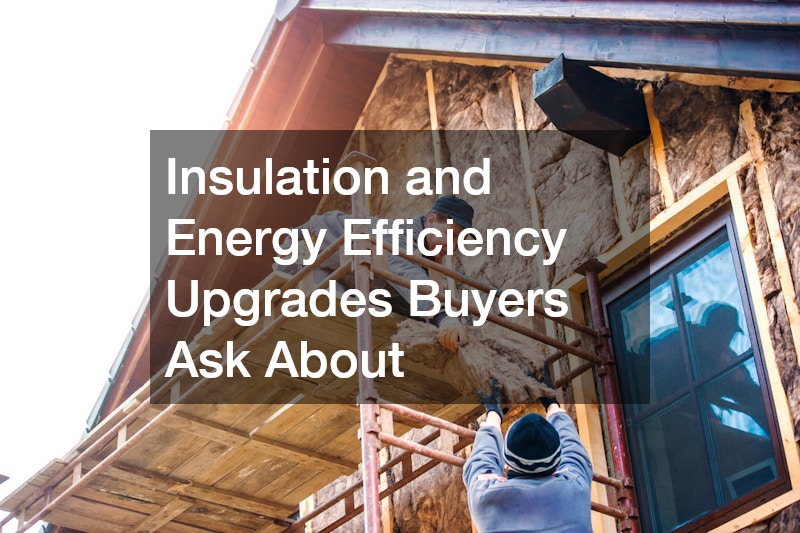
Energy costs are now a standard question during home tours, and buyers increasingly ask about insulation levels and utility history before making an offer. The National Association of Realtors has found that energy-efficient features consistently rank among the factors buyers actively research, and insulation is often the first thing inspectors flag in older homes. A poorly insulated attic can account for up to 25% of a home’s heat loss, which translates directly into higher monthly bills that show up during any serious buyer’s due diligence.
Working with blown in insulation companies to upgrade attic or wall insulation is a relatively low-cost project, often running between $1,500 and $3,500 depending on square footage, that can meaningfully lower utility bills. Homeowners frequently see a reduction of 15% or more in heating and cooling costs, which buyers appreciate immediately when comparing homes side by side. It’s also a faster project than most renovations, typically completed in a single day with minimal disruption.
Unlike cosmetic upgrades, this improvement is invisible but shows up clearly on energy bills, something savvy buyers now ask to see. Many will request the past twelve months of utility statements or ask whether an energy audit has been performed. Pairing an insulation upgrade with simple documentation, like a contractor’s completion certificate or before-and-after R-value measurements, gives sellers concrete proof to point to during negotiations rather than relying on buyers to take their word for it.
Older homes in particular benefit from this upgrade, since many were built with minimal insulation by today’s standards—some attics have R-values of 11 or lower when current recommendations call for R-38 to R-60 in most climates. Hiring blown in insulation companies to fill gaps in attics and exterior walls is far less invasive than other retrofits, since there’s no need to tear out drywall or disturb existing finishes. The work can typically be completed in a single day, and homeowners often see a noticeable drop in heating and cooling bills within the first billing cycle.
Cost is another reason this upgrade appeals to sellers working with a tighter budget. Blown-in insulation generally runs a few hundred to a couple thousand dollars depending on square footage, yet studies on energy-efficient retrofits consistently show returns well above 60% of project cost at resale, with the added benefit of a lower utility bill that appraisers and buyers can verify.
Pairing this upgrade with sealed ductwork and updated weatherstripping rounds out an energy efficiency story that buyers find genuinely compelling. A quick blower-door test before listing can also give sellers hard numbers to share, turning a vague promise of “lower bills” into a documented efficiency rating that stands out on a listing sheet.
- Request an insulation assessment (often free or under $200) to pinpoint weak spots like attics, rim joists, and crawl spaces
- Ask for an R-value estimate before and after the upgrade, since attics typically jump from R-19 to R-49 in most climates
- Prioritize air sealing alongside insulation — gaps around ducts and recessed lights waste more energy than thin insulation alone
- Keep the invoice and materials list to share with potential buyers as proof of the upgrade
- Save any manufacturer warranty documents, since transferable warranties add resale credibility
- Ask your installer for a projected energy savings estimate, which buyers respond to more than technical R-value figures
Septic and Plumbing Maintenance That Prevents Deal Delays
For homes not connected to municipal sewer systems, septic condition is one of the first things a buyer’s inspector will check. Scheduling septic cleaning before listing avoids the risk of a failed inspection derailing negotiations at the last minute. A documented, recently serviced septic system gives buyers confidence that they are not inheriting a hidden and potentially expensive problem underground.
Beyond the septic system, general plumbing health matters too. Slow drains, older water heaters, and visible corrosion can all raise concerns during a walkthrough, even if they are minor issues. Addressing these small plumbing items alongside septic cleaning creates a home that feels well-maintained from top to bottom, which supports a stronger asking price.
- Schedule septic cleaning every three to five years, or before listing regardless of schedule
- Keep pumping and inspection records to hand over at closing
- Fix minor leaks and replace worn fixtures before showings begin
Lighting Choices That Make Rooms Feel Larger and Newer

Lighting is one of the most underrated upgrades for resale because it changes how every other room feels without requiring structural work. Visiting lighting stores to replace dated fixtures with brighter, more modern options can make a home feel move-in ready even if the walls and floors are original. Buyers respond emotionally to bright, well-lit spaces, and poor lighting can make even a recently renovated room feel tired.
Layering light sources, rather than relying on a single overhead fixture, creates a more dynamic and inviting space during showings. Many lighting stores offer guidance on choosing the right bulb temperature and fixture style for each room, which helps avoid the harsh or dim result of guessing on your own. This is a relatively small investment that pays off in how professional and updated your listing photos look.
- Replace builder-grade fixtures in kitchens and bathrooms first
- Choose warm white bulbs for living spaces and cooler tones for kitchens and garages
- Add under-cabinet lighting in kitchens for an instant upgrade
Moving Logistics That Protect Your Renovation Investment
All the upgrades in the world can lose their impact if the final move damages floors, walls, or newly installed fixtures. Hiring an experienced moving company protects the finishes you invested in, since professional movers know how to navigate doorways, stairwells, and tight corners without scuffing walls or countertops. This matters most right after a flooring upgrade or fresh coat of paint, when surfaces are still new and easily marked.
Booking a moving company early also reduces the stress of coordinating a sale and move at the same time, which can otherwise lead to rushed packing and accidental damage. Many companies offer walkthroughs beforehand to flag tight spots or fragile areas, which is especially useful in homes with updated countertops or refinished floors. Protecting these details through the final walkthrough helps ensure the home shows well right up until closing.
- Get moving company quotes at least four weeks before your closing date
- Ask about floor and doorway protection included in the service
- Schedule the move on a weekday if possible, since buyers often want weekend showings kept clear
Not every upgrade needs to be dramatic to pay off at resale, but the ones that address buyer concerns directly tend to offer the best return. Prioritize the systems that could otherwise stall a sale, like the roof, heating, and septic system, then layer in visible improvements like a kitchen remodel or updated lighting to make the home feel move-in ready. Working through these projects in order of urgency, rather than all at once, makes the process more manageable and protects your budget as you prepare to list.