
Not every home addition or upgrade pays you back when it comes time to sell. Some projects that feel exciting to homeowners barely move the needle on appraised value, while others quietly become the deciding factor for buyers touring an open house. If you are trying to figure out where to invest your renovation dollars, it helps to know which improvements consistently deliver returns and which ones are more about personal enjoyment than resale math. This guide breaks down the additions and upgrades worth prioritizing so you can plan with confidence.
Kitchen Updates That Buyers Actually Notice
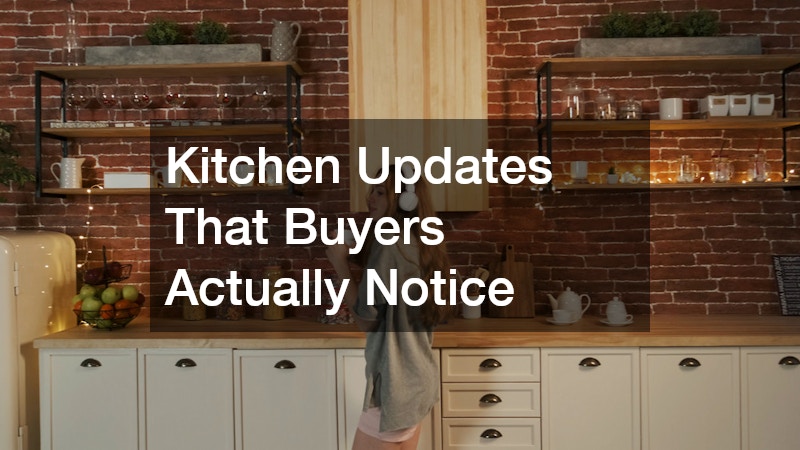
The kitchen remains the single most influential room when buyers are deciding whether to make an offer, and even modest updates can shift their impression of the entire house. Real estate agents consistently report that kitchens make or break a sale within the first few minutes of a showing, so the investment you put here tends to pay off more reliably than almost anywhere else in the home. You do not need a full gut renovation to see a return; refacing or replacing outdated kitchen cabinets is often enough to modernize the space without the cost of a complete remodel. Cabinet refacing typically runs a fraction of full replacement cost, yet it delivers a similar visual impact when paired with new hardware, updated hinges, and a fresh finish. For homeowners on a tighter budget, even repainting existing kitchen cabinets in a neutral tone like white, gray, or soft sage can make the space feel current. Buyers tend to fixate on storage, finish quality, and layout flow, so upgrades that address those specific concerns tend to perform best. Adding pull-out shelves, deeper drawers, or a pantry organizer signals that the kitchen was designed with real life in mind, not just appearances. Small details also matter: swapping laminate countertops for quartz, replacing dated fixtures, or installing under-cabinet lighting can make the room feel noticeably more polished without touching the floor plan. Layout is another quiet dealbreaker. A kitchen that feels cramped or disconnected from the rest of the living space can undercut even the nicest finishes, so buyers often respond well to changes that open sightlines, such as removing a half-wall or widening a doorway into the dining area.
Buyers tend to notice a handful of specific kitchen updates: quartz or granite countertops, a tile backsplash, updated cabinet hardware, and energy-efficient stainless steel appliances. These changes read as “move-in ready” without necessarily requiring a full gut renovation, which matters if you’re trying to balance cost against return. If your budget allows for a larger project, working with a home remodeler who understands current buyer expectations can help you avoid over-improving for your neighborhood. Spending $60,000 on a kitchen in a neighborhood where comparable homes top out at $350,000 rarely pays back dollar for dollar, no matter how well the work is done. A skilled remodeler will benchmark your plans against similar homes nearby and steer you toward upgrades proportional to what buyers in that price range actually expect. A home remodeler can also advise on which finishes hold value longest, since trendy choices sometimes date a kitchen faster than the outdated features they replaced. Bold color trends, ultra-specific tile patterns, and statement lighting can look dated within five to seven years, while neutral countertops, classic subway tile, and shaker-style cabinets tend to stay appealing across a longer stretch of design cycles. Choosing timeless over trendy is often the safer bet for long-term resale value.
- Replacing cabinet fronts and hardware instead of full replacement when the boxes are still solid, saving 60-70% of the cost of a full teardown
- Adding an island or peninsula if space allows, since buyers consistently ask about extra counter space and storage
- Upgrading countertops to durable, neutral materials like quartz or granite that appeal to a broad range of tastes
- Improving lighting with under-cabinet fixtures and updated overhead fixtures, since brighter kitchens photograph better and feel larger
- Swapping outdated faucets and sinks for simple, modern fixtures, a low-cost change that signals the whole kitchen is cared for
- Repainting cabinets or walls in warm neutrals rather than bold colors, since polarizing choices can turn off otherwise interested buyers
Bathroom Renovations With the Strongest Payback
Bathrooms are the second most scrutinized space in a home, and small, targeted updates often outperform expensive full remodels in terms of cost recovered at resale. Buyers respond strongly to a clean, modern feel, which is why swapping an old shower curtain setup or dated glass enclosure for frameless shower doors is one of the more noticeable upgrades you can make in this room. The clean lines and open sightlines that frameless designs create make even a small bathroom feel larger and more current.
Beyond the shower, updated vanities, modern lighting, and improved ventilation all contribute to a bathroom feeling well maintained rather than neglected. Buyers are quick to mentally subtract renovation costs from their offer when they spot dated tile or grimy grout, so addressing these details before listing can protect your asking price.
- Replacing old tile surrounds with updated finishes in neutral tones
- Improving water pressure and fixture quality throughout the bathroom
- Adding better exhaust fans to reduce moisture damage over time
- Updating vanity countertops and faucets for a cohesive look
Roofing Projects That Protect Long Term Value

A roof in poor condition is one of the fastest ways to scare off potential buyers, since it signals looming expenses and potential water damage elsewhere in the home. Investing in roof replacements before listing your property often returns a significant percentage of the cost, particularly in regions with harsh weather where buyers are especially cautious about roof age. Appraisers and home inspectors both flag roofing issues quickly, which can stall a sale or force last minute price negotiations.
Beyond the immediate curb appeal boost, a new roof reassures buyers that they will not face a five figure expense within the first few years of ownership. This peace of mind is often worth more to buyers than the literal cost of materials and labor, which is part of why roofing consistently ranks among the top value adding projects nationally.
- New roofing typically recoups a large share of its cost at resale
- Buyers view roof age as a direct indicator of overall home maintenance
- Damaged or aging roofs frequently surface as inspection red flags
- Warranty coverage on new roofing can be a selling point in listings
Outdoor Living Spaces That Expand Usable Square Footage
Outdoor additions have grown in popularity because they extend a home’s livable space without the cost of a full structural addition. In warmer climates, lanai screen enclosures are particularly effective at increasing perceived value because they create a usable, bug free outdoor room that buyers can picture using immediately. These enclosures also protect furniture and flooring from weather exposure, which appeals to buyers thinking about long term maintenance costs.
A well designed outdoor living space signals to buyers that the home offers more than its interior square footage suggests. Even simple additions, like a covered patio or screened porch, can make a property stand out in listing photos and during in person showings.
- Screened spaces reduce insect and debris issues compared to open patios
- Enclosed outdoor areas can function as extra entertaining or relaxation space
- Buyers in humid or buggy climates often prioritize this feature during their search
- These additions typically cost less than a full home addition with a comparable footprint
Essential Systems That Reassure Buyers During Inspection
Cosmetic upgrades matter, but buyers and their inspectors pay close attention to the systems they cannot see from a casual walkthrough. Confirming that your wiring meets current code, ideally through a licensed inspection by qualified electricians, prevents surprises that could derail a sale at the last minute. Outdated electrical panels or knob and tube wiring are common deal breakers that scare off buyers or trigger insurance complications.
Heating and cooling systems carry similar weight during negotiations, since replacing a furnace or heat pump is expensive and buyers know it. Bringing in a qualified heating contractor for a pre listing inspection or tune up can catch small issues before they become bargaining chips for the buyer. A documented service history also reassures buyers that the system has been properly maintained.
- Updated electrical panels reduce insurance concerns for future buyers
- Well maintained HVAC systems reduce the odds of a failed inspection
- Service records provide documentation that builds buyer confidence
- Addressing minor system issues before listing avoids larger price negotiations later
Plumbing Improvements That Prevent Deal Breaking Surprises

Plumbing problems are among the most common reasons a sale falls apart after inspection, since issues like old galvanized pipes, slow drains, or hidden leaks raise immediate red flags. Hiring a licensed house plumber to evaluate your system before listing can identify small fixes that prevent much larger negotiations down the road. Buyers are particularly wary of homes with visible water stains or inconsistent water pressure, both of which suggest deeper issues.
Updating fixtures, replacing aging supply lines, and confirming that water heaters are functioning properly are relatively affordable ways to protect your sale price. These improvements rarely make headlines the way a kitchen remodel does, but they remove obstacles that could otherwise stall or sink a transaction entirely.
- Replacing old supply lines reduces the risk of leaks during buyer walkthroughs
- Fixing minor drips and slow drains before listing avoids inspection flags
- Confirming water heater age and condition reassures cautious buyers
- Updated fixtures contribute to a polished, move in ready impression
Foundation and Crawl Space Conditions That Affect Buyer Confidence
Moisture issues beneath a home are often invisible during a casual showing but become glaring concerns once a professional inspection occurs. Crawl space encapsulation addresses this by sealing out moisture, reducing mold risk, and improving overall air quality, all of which matter to buyers who are increasingly educated about home health issues. This upgrade also helps protect flooring and structural wood from long term moisture damage.
Buyers and their agents frequently ask about crawl space condition in humid regions, since untreated moisture can lead to costly repairs down the line. Presenting a sealed, dry crawl space during a showing signals that the home has been proactively maintained rather than neglected. It is a less glamorous upgrade than a kitchen or bathroom remodel, but it can be a deciding factor for cautious buyers comparing similar properties.
- Encapsulation reduces humidity related damage to subfloors and insulation
- A dry crawl space lowers the risk of mold related health concerns
- This upgrade appeals strongly to buyers in humid or flood prone regions
- Documentation of encapsulation work can be a valuable selling point
Landscaping and Tree Maintenance That Boost Curb Appeal

First impressions form before a buyer ever steps inside, which makes exterior maintenance one of the most cost effective ways to influence resale value. Overgrown or damaged trees can make a property look neglected and may even pose safety risks that show up during inspection. Scheduling professional tree services to trim overgrown branches, remove dead trees, or address root issues near the foundation helps present the property in its best light.
Well maintained landscaping does more than improve curb appeal in photos; it also signals to buyers that the rest of the property has likely received similar attention. Removing hazards, cleaning up debris, and shaping mature trees can make a noticeable difference without requiring a large financial investment.
- Overgrown trees near a home can raise concerns about roof or foundation damage
- Removing dead or diseased trees improves both safety and appearance
- Clean, maintained landscaping often influences a buyer’s first impression significantly
- Minor tree work is generally inexpensive relative to its visual impact
Not every upgrade delivers the same return, but the projects outlined here consistently influence buyer perception, appraisal outcomes, and final sale price. Start by addressing the systems and structural elements that could raise inspection concerns, then layer in visible improvements like kitchen, bathroom, and outdoor updates that buyers notice immediately. Prioritizing based on your specific home and local market will help you avoid overspending on upgrades that will not pay off. With a clear plan in place, you can invest your renovation budget where it matters most and approach your eventual sale with confidence.