

A burst pipe, a collapsing gutter, or a furnace failure in January rarely happens without warning signs that were easy to miss. Most of the home disasters that cost thousands of dollars start as small, fixable issues that go unnoticed for months. The good news is that a simple, seasonal maintenance routine can catch these problems early, protect your investment, and keep your household running smoothly. This checklist walks through the key systems worth inspecting every year, so you can budget for small repairs instead of scrambling for emergency ones.
Inspect Your Roof Before Storm Season Arrives
Your roof takes more abuse than almost any other part of your home, absorbing sun, wind, rain, and temperature swings year after year. A small crack in flashing or a handful of missing shingles can let water seep into your attic long before you ever see a stain on the ceiling. Walking the perimeter of your house twice a year to look for sagging, curling, or granule loss in the gutters can help you catch trouble early.
If you notice soft spots, daylight coming through the attic boards, or shingles in the yard after a windstorm, it is time to call a roofer rather than wait for the next big rain. Many roofing professionals offer free inspections and can spot issues that are invisible from the ground, such as damaged underlayment or deteriorating seals around vent pipes. Catching these problems in their early stages typically costs a fraction of what a full roof replacement or interior water damage repair would run.
- Check for missing, cracked, or curling shingles after major storms
- Look for granules collecting in gutters or downspouts
- Inspect flashing around chimneys, skylights, and vents
- Watch for daylight or water stains in the attic
- Schedule a professional inspection every one to two years
Test and Service Your Water Heater Annually

Your water heater works quietly in the background until the day it does not, usually announced by a flooded utility closet or a sudden loss of hot water. Sediment builds up at the bottom of the tank over time, reducing efficiency and putting extra strain on the heating element or burner. Flushing the tank once a year removes this buildup and can meaningfully extend the unit’s lifespan.
Beyond flushing, it is worth checking the pressure relief valve, inspecting for rust or corrosion on the tank exterior, and listening for unusual popping or rumbling sounds during operation. These noises often signal that sediment has hardened and is trapping steam bubbles, which stresses the tank walls. If you notice leaks, inconsistent temperatures, or discolored water, scheduling water heater repair promptly can prevent a small issue from turning into a full tank failure and water damage throughout your home.
- Flush the tank annually to remove sediment buildup
- Test the pressure relief valve for proper function
- Check the anode rod every two to three years
- Inspect the area around the unit for moisture or rust
- Note the age of your unit, since most last eight to twelve years
Keep Gutters and Downspouts Flowing Freely
Clogged gutters are one of the most common causes of foundation cracks, basement leaks, and rotted fascia boards, yet they are often overlooked until water is pouring over the sides during a storm. Leaves, twigs, and granules from aging shingles accumulate quickly, especially in the fall, and can freeze into ice dams during winter. Clearing debris at least twice a year keeps water moving away from your home the way it was designed to.
If your existing gutters are old, sagging, or leaking at the seams, it may be worth considering seamless gutters, which are custom-fitted to your home and reduce the number of joints where leaks typically start. Because they are formed on-site from a single piece of material, seamless gutters tend to handle heavy rainfall more reliably and require less frequent patching than traditional sectional systems. Pairing new gutters with properly angled downspouts ensures water is directed at least several feet away from your foundation.
- Clear leaves and debris at least twice yearly
- Check for sagging sections or separated joints
- Ensure downspouts extend away from the foundation
- Look for water stains or peeling paint below gutter lines
- Consider gutter guards to reduce maintenance frequency
Refresh Exterior Paint to Protect Your Siding
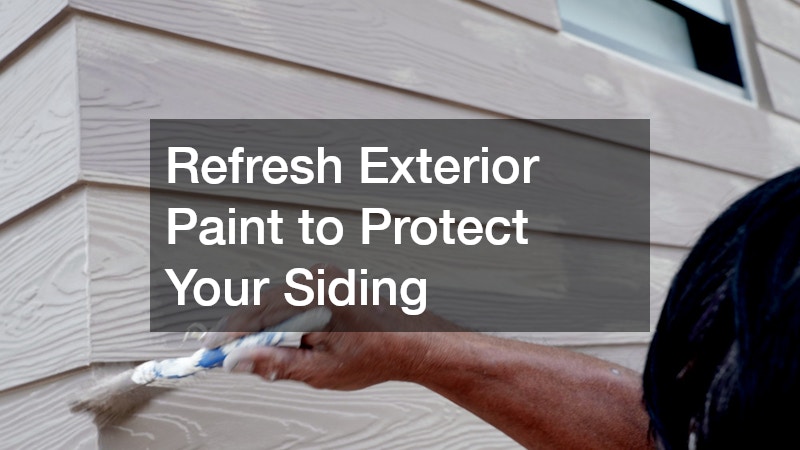
Paint does more than make a house look nice; it forms a protective barrier against moisture, UV rays, and pests that can otherwise work their way into wood or fiber cement siding. Once paint begins to crack, bubble, or peel, the material underneath is exposed and can start absorbing water, leading to rot or mold. Most quality exterior paint jobs last 7 to 10 years, but sun-facing walls and areas near sprinklers or gutters often wear out faster and deserve extra attention. An annual walk-around to check for these warning signs can help you plan touch-ups before they become larger repairs. Pay close attention to window and door trim, corners where siding panels meet, and any spots below rooflines where water tends to run off. Chalky residue on your hand after touching the wall is a sign the paint’s protective finish is breaking down, even if it still looks okay from a distance. Catching these issues early keeps costs manageable. A small section of peeling paint might only require light sanding and a fresh coat, while neglected damage can mean replacing rotted boards or entire siding panels, a job that can run into the thousands. Keeping a simple log with photos each year also makes it easier to track how quickly wear is progressing and to budget for a full repaint before small problems turn into structural ones.
Paint does more than dress up your home’s exterior; it forms a protective barrier against rain, UV rays, and temperature swings that would otherwise warp, crack, or rot your siding. Once you start noticing chalking, peeling, or bare patches, that barrier has already broken down, and moisture is likely finding its way underneath. When it is time for a full repaint, hiring a professional painting contractor rather than tackling it yourself can make a real difference in how long the job lasts, since proper surface preparation and primer selection matter as much as the paint itself. A rushed DIY job that skips scraping, sanding, and priming might look fine for a season but often fails within two or three years instead of lasting a decade. Experienced house painters know how to identify underlying issues like soft wood, mildew growth, or moisture intrusion during the prep process, catching problems that a purely cosmetic approach would miss. They also know which primers and paint formulations suit your specific siding material, whether it’s wood, fiber cement, or stucco, and how local humidity or salt air should factor into product selection. Investing in quality exterior paint every seven to ten years, depending on your climate, protects the structural integrity of your home in addition to its curb appeal. Homes in harsher climates with intense sun, heavy rain, or freeze-thaw cycles may need repainting closer to the five-to-seven-year mark, while milder regions can often stretch toward the ten-year end of that range.
- Inspect siding annually for cracking, peeling, chalking, or fading paint, especially after harsh winters
- Pay close attention to south and west-facing walls exposed to intense sun, since UV rays break down paint fastest there
- Check for soft or bubbling spots, which can signal moisture trapped beneath the surface
- Address caulking gaps around windows, doors, and trim before they let water seep into the wall cavity
- Repaint every seven to ten years, though humid or coastal climates may require touch-ups closer to five
- Choose paint rated for your local weather conditions, such as mildew-resistant formulas in humid regions or UV-blocking options in sunny climates
- Test paint adhesion by pressing tape onto the surface; if it peels off with paint, a full repaint is likely due
Clean Exterior Surfaces to Prevent Long-Term Damage

Dirt, algae, and mildew do more than make your home look neglected; over time they can degrade siding, decking, and concrete surfaces, especially in humid climates. Buildup that is left untreated tends to hold moisture against these materials, accelerating wear and creating slippery, unsafe walkways. An annual deep clean keeps these surfaces looking fresh while also extending their functional lifespan.
Many homeowners find it worthwhile to hire pressure washing companies for driveways, siding, decks, and patios, since professional equipment can safely remove grime without damaging delicate surfaces the way an overly aggressive DIY attempt might. Professionals also know which pressure settings and cleaning solutions are appropriate for different materials, whether it is wood, vinyl, or stamped concrete. Scheduling this service once a year, typically in spring, sets a clean baseline that makes it easier to spot new problems like cracks or mold regrowth.
- Clean siding, decks, and driveways at least once annually
- Watch for algae or mildew in shaded, damp areas
- Avoid excessive pressure on soft wood or old mortar
- Schedule cleaning before repainting or resealing projects
- Check gutters and downspouts for buildup at the same time
Have Your Fireplace and Chimney Inspected Every Fall
A fireplace that has not been checked since last winter can harbor creosote buildup, animal nests, or cracked flue liners, all of which pose serious fire and carbon monoxide risks. Even homeowners who rarely use their fireplace should have it inspected, since blockages and structural issues can develop regardless of use. Fall is the ideal time to schedule this, well before the first cold snap sends everyone reaching for firewood.
Reputable fireplace companies typically offer a tiered inspection process, starting with a visual check and escalating to a full video scan of the flue if problems are suspected. They can also clean out accumulated soot and creosote, which is the leading cause of chimney fires, and check that the damper and seals are functioning properly. If you are considering switching to a gas insert or updating an aging unit, these same professionals can walk you through options suited to your home’s layout and ventilation needs.
- Schedule an inspection every fall before regular use begins
- Have creosote buildup professionally removed
- Check the damper, flue, and seals for proper function
- Look for cracks in the firebox or chimney crown
- Test carbon monoxide detectors near the fireplace area
Check Fuel Supply Lines and Heating Equipment
Homes that rely on oil heat need a slightly different maintenance routine than those on natural gas or electric systems, particularly when it comes to monitoring supply levels and tank condition. Running out of fuel oil unexpectedly during a cold snap is not just inconvenient, it can cause air to enter the lines and require professional bleeding of the system before heat is restored. Keeping tabs on your tank level and scheduling deliveries proactively avoids this entirely.
Beyond supply, it is worth having the tank itself inspected annually for rust, leaks, or venting issues, since a failing tank can be both a fire hazard and an environmental liability if it leaks into the soil. A qualified technician can also check the furnace’s burner nozzle, filters, and ignition system during the same visit, ensuring efficient operation through the coldest months. Staying ahead of these checks reduces the odds of a no-heat emergency call during the worst possible weather.
- Monitor tank levels and schedule deliveries before running low
- Inspect the tank annually for rust, leaks, or damage
- Replace furnace filters at the start of heating season
- Bleed the lines if air enters after a low-fuel event
- Keep service records to track efficiency over time
Trim Trees and Manage Landscaping Near Your Home
Overgrown branches are more than a cosmetic issue; they can scrape roofing material, clog gutters, and become dangerous projectiles during storms. Trees planted too close to a foundation can also cause root intrusion into pipes or cracks in walkways as they mature. An annual assessment of the trees and large shrubs around your property can catch these risks before they cause damage.
Hiring a tree service for regular trimming and removal of dead limbs is far cheaper than dealing with the aftermath of a branch falling on your roof or car during a storm. Professionals can also assess whether a tree’s root system poses a risk to underground utilities or your foundation, something that is difficult to judge without training. Fall and late winter are typically the best times to schedule trimming, since trees are dormant and less likely to be stressed by the process.
- Trim branches that overhang the roof or power lines
- Remove dead or diseased limbs before storm season
- Watch for roots lifting sidewalks or driveways
- Keep large trees a safe distance from the foundation
- Schedule trimming during dormant seasons for best results
Maintain Metal Fixtures and Outdoor Furniture

Metal railings, gates, patio furniture, and fixtures are constantly exposed to moisture and temperature swings, which makes them prone to rust and corrosion over time. Once rust takes hold, it tends to spread quickly, weakening structural components like railings or stair supports. A yearly check for chipped paint, surface rust, or loose fittings can help you address problems while they are still cosmetic rather than structural.
For metal items that see heavy wear, such as railings, fences, or outdoor furniture frames, powder coating offers a more durable finish than traditional paint, since it bonds more tightly and resists chipping, fading, and corrosion. Refinishing older pieces with this process can restore both their appearance and their protective coating, often extending their usable life by many years. This is particularly worth considering for items near pools, coastal properties, or anywhere exposed to heavy moisture.
- Inspect metal railings and gates annually for rust spots
- Tighten loose bolts or hardware before they fail completely
- Repaint or refinish chipped surfaces promptly
- Consider more durable finishes for high-exposure items
- Check pool fencing and stair railings for structural safety
None of these checks take more than an afternoon or two spread across the year, yet together they can save you from the kind of emergency repair bills that catch homeowners off guard. Start by walking your property this weekend with this list in hand, noting anything that looks worn, cracked, or overdue for attention. Addressing small issues now, while they are still manageable and affordable, is the simplest way to protect your home and your budget for years to come.