

Your bathroom sets the tone for how your day starts and ends, yet it’s often the last room in the house to get a meaningful upgrade. Small inefficiencies, like a leaky faucet, a foggy shower door, or inconsistent water temperature, add friction to a routine that should feel effortless. The good news is that modern bathroom upgrades don’t have to mean a full gut renovation to make a noticeable difference. This guide walks through practical, high-impact changes that can turn your bathroom into a space that actually works for your life.
Upgrading Your Shower Enclosure for a Cleaner Look
The shower is often the visual centerpiece of a bathroom, and swapping out an old, clouded glass or vinyl curtain setup can instantly modernize the entire room. Frameless shower doors have become a popular choice because they eliminate the bulky metal framing that tends to collect grime and mildew over time. The clean lines create an open, spa-like feel that makes even a smaller bathroom appear larger and brighter.
Beyond aesthetics, frameless shower doors are typically made from thicker tempered glass, which means they are sturdier and less prone to the wobbling or clouding that plagues older framed units. Many homeowners find that the investment pays off not just in daily enjoyment but also in resale value, since updated bathrooms are consistently ranked high on buyer wish lists.
- Frameless designs reduce grout lines and metal tracks where mold can build up
- Custom sizing works well for irregular or angled bathroom layouts
- Thicker glass panels tend to be more durable over the long term
- Easier to clean with a simple squeegee and glass cleaner routine
Modernizing Water Flow With Updated Fixtures
Low-flow showerheads, touchless faucets, and smart water controls have made huge strides in the last few years, offering better performance while using less water. These upgrades are usually straightforward to install and can noticeably improve water pressure and temperature consistency during your morning routine. If you’re dealing with persistent leaks, corroded pipes, or inconsistent hot water, it may be time to call a plumbing service rather than patching the problem repeatedly.
A professional plumbing service can also identify hidden issues, like aging supply lines or worn-out shutoff valves, before they become expensive emergencies. Catching these problems early not only saves money but also protects the rest of your home from potential leaks that could spread beyond the bathroom walls.
- Touchless faucets reduce germ spread and water waste
- Low-flow showerheads can cut water usage by up to 40 percent
- Smart valves allow you to preset water temperature for consistency
- Regular inspections catch small leaks before they become major repairs
Keeping Bathroom Heating Consistent Year-Round
Nothing disrupts a morning routine faster than stepping onto a cold tile floor or shivering while towel-drying after a shower. Radiant floor heating, heated towel racks, and upgraded ventilation systems have made it possible to keep bathrooms comfortable regardless of the season. Many of these systems can be installed with minimal disruption to existing flooring or walls, especially when planned alongside other renovation work.
If your bathroom relies on a central heating system that struggles to reach the space evenly, working with professional heating services can help identify whether a dedicated solution, like a mini-split or in-floor system, makes more sense. A properly heated bathroom also helps control humidity, which reduces the risk of mold growth around tile and grout lines.
- Radiant floor heating warms the room without drying out the air
- Heated towel racks add a small luxury with minimal energy cost
- Improved ventilation reduces moisture buildup and musty odors
- Zoned heating lets you customize temperature by room
Planning a Layout That Fits Your Daily Habits

A bathroom that looks beautiful but doesn’t function well for your household’s routine will quickly become a source of frustration. Before choosing finishes or fixtures, think through how multiple people use the space at once, especially during busy mornings. Double vanities, separate wet zones, and strategically placed storage can reduce the daily bottleneck that many households experience.
If you’re considering moving walls, relocating plumbing, or reconfiguring the entire footprint, this is where bringing in a home remodeling contractor becomes valuable. An experienced contractor can spot structural or code issues that aren’t obvious to homeowners, and they can help sequence the project so that plumbing, electrical, and finishing work happen in the right order.
- Double sinks reduce morning congestion for shared bathrooms
- Separate toilet enclosures add privacy in multi-person households
- Built-in niches and shelving reduce clutter on countertops
- Proper lighting layout supports grooming tasks like shaving or makeup
Addressing Roof and Ceiling Issues Before They Reach the Bathroom
It’s easy to overlook the connection between your roof and your bathroom, but ceiling stains, peeling paint, or musty smells often trace back to a compromised roof above. Moisture that seeps in from above can travel through insulation and drywall, eventually showing up as discoloration or soft spots on bathroom ceilings. Ignoring these signs can lead to more extensive damage that’s far more costly to fix than the original issue.
If you notice recurring stains or sagging in the ceiling, it’s worth scheduling residential roofing repairs replacement before starting any cosmetic bathroom updates. Fixing the source of the leak first protects your investment in new fixtures, paint, or flooring, since there’s little point upgrading a room that will just get damaged again.
- Watch for yellow or brown rings on ceilings near exterior walls
- Musty odors often indicate trapped moisture behind drywall
- Sagging ceiling tiles or drywall need immediate attention
- Addressing roof issues early prevents mold growth in bathrooms below
Protecting Bathroom Walls With Better Exterior Siding
Bathrooms located on exterior walls are particularly vulnerable to moisture intrusion if the siding outside isn’t performing well. Cracked, warped, or poorly sealed siding allows water to seep behind the wall, which can eventually affect insulation and interior finishes. Fiber cement siding has become a popular choice among homeowners because of its resistance to moisture, pests, and temperature swings compared to older wood siding.
Working with experienced james hardie siding companies can help ensure the material is installed correctly with proper flashing and sealing around windows and vents, which are common trouble spots. This kind of exterior upgrade might not seem directly related to your bathroom, but it plays a real role in preventing the hidden moisture problems that eventually show up as interior damage.
- Fiber cement siding resists warping, cracking, and pest damage
- Proper flashing around vents prevents water intrusion
- Durable siding reduces long-term maintenance costs
- Exterior upgrades can improve home insulation and energy efficiency
Preventing Water Damage From Outdoor Drainage Problems
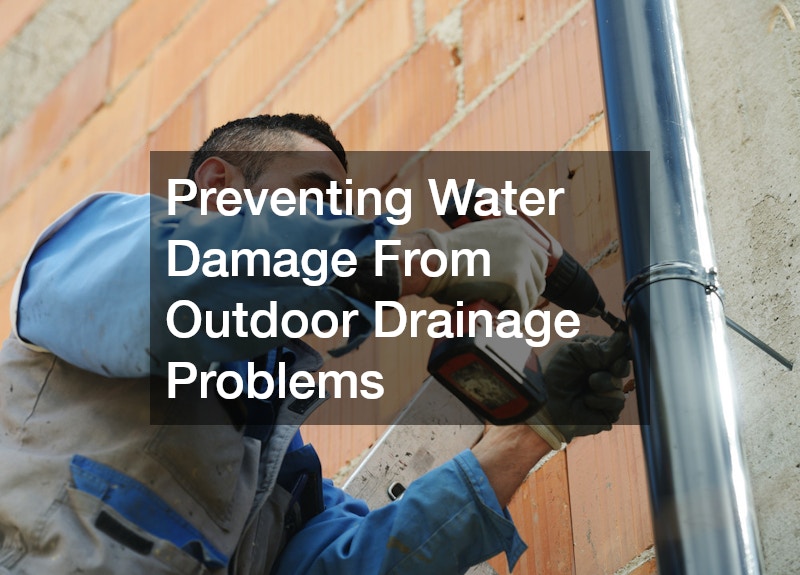
Bathroom renovations are frustrating to redo, and one of the most preventable causes of repeat damage is poor drainage around the home’s foundation. Clogged or overflowing gutters can direct water toward the foundation instead of away from it, increasing the risk of moisture creeping into lower-level bathrooms or crawl spaces. Even a few inches of standing water pooling near the foundation after a heavy rain can seep through hairline cracks, and over time this leads to warped flooring, peeling paint, or mold growth behind bathroom walls. Downspouts play just as important a role as the gutters themselves. Ideally, they should extend at least 3 to 6 feet away from the house, directing runoff toward a slope that carries water away from the structure rather than letting it collect at the base of a wall. If your bathroom sits on a lower level or near a downspout outlet, it’s especially vulnerable to seepage during storms. Routine gutter cleaning is a simple, inexpensive way to protect your home’s structure and reduce the odds of unexpected interior water problems. Most experts recommend cleaning gutters at least twice a year — typically in spring and fall — though homes surrounded by trees may need attention more often to prevent leaves and debris from causing backups. Pairing regular gutter cleaning with a quick inspection for sagging sections, loose brackets, or rust spots can catch small issues before they turn into costly indoor repairs.
Overhanging branches and root systems can also contribute to drainage issues, clogging gutters with debris or even damaging underground pipes over time. Leaves, seed pods, and small twigs collect in gutters and downspouts, creating blockages that force rainwater to overflow and pool near your foundation instead of draining away from your home. Underground, the problem can be even more costly. Aggressive root systems from trees like willows, maples, and poplars are known to seek out moisture, infiltrating cracks in sewer lines or water pipes and causing slow leaks that eventually lead to soggy yards or backed-up drains inside your bathroom. Scheduling regular tree services to trim back limbs and manage root growth near your home’s foundation is a proactive step that pairs well with routine gutter maintenance. Most arborists recommend trimming trees every one to three years depending on species and proximity to your house, and a professional inspection can also flag early signs of root intrusion before they turn into expensive plumbing repairs.
- Clean gutters at least twice a year — spring and fall — and increase to quarterly if you have heavy tree cover nearby
- Check for sagging sections or rust spots during cleaning, as these signal gutters that need repair or replacement
- Downspouts should direct water at least five feet from the foundation to prevent basement seepage and soil erosion
- Add downspout extensions or splash blocks if grading slopes toward the house rather than away from it
- Overhanging branches can drop leaves, seeds, and twigs that clog gutter systems and trap moisture against your roofline
- Trim branches back at least three feet from the roofline to reduce debris buildup and discourage pests
- Tree root intrusion can crack underground pipes over time, especially older clay or cast-iron sewer lines
- Consider a root barrier or annual camera inspection if mature trees sit within 10 feet of buried plumbing
Responding Quickly When Water Damage Occurs

Even with preventive measures in place, leaks and floods can still happen, whether from a burst pipe, an overflowing tub, or a failed water heater. When this occurs, time matters, since standing water can seep into subflooring, drywall, and cabinetry within hours. Professional water damage restoration teams have specialized equipment to dry out affected areas thoroughly and prevent the mold growth that often follows undetected moisture.
Homeowners sometimes try to handle minor water damage themselves with fans and towels, but hidden moisture in wall cavities or under flooring often goes unnoticed until problems resurface weeks later. Bringing in professionals early, especially for anything beyond a small surface spill, protects both your health and your home’s structural integrity.
- Act within 24 to 48 hours to reduce mold risk after water exposure
- Check under vanities and behind toilets for hidden moisture
- Warped flooring or bubbling paint often signals trapped water
- Professional drying equipment reaches moisture standard fans cannot
Adding Relaxation Features to Your Home Spa Experience

Modern bathroom upgrades aren’t only about function and repair, they’re also about creating a space that feels restorative after a long day. Many homeowners are extending their bathroom’s spa-like feel outward by adding a hot tub or upgrading an existing one to include better jets, lighting, and temperature control. A reputable hot tub company can help you choose a model that fits your available space, whether that’s a bathroom-adjacent deck or a private backyard corner.
Pairing indoor upgrades like heated flooring or a rainfall showerhead with an outdoor relaxation feature creates a more complete daily wellness routine. It’s worth considering energy efficiency and maintenance requirements when selecting a unit, since some models require more upkeep than others.
- Look for energy-efficient insulation to reduce operating costs
- Ask about maintenance schedules before purchasing
- Consider proximity to your bathroom for a seamless routine
- LED lighting and adjustable jets add customizable relaxation options
Transforming your bathroom into a space that genuinely improves your daily routine doesn’t require tackling everything at once. Start by addressing any underlying issues, like drainage, roofing, or water damage, before investing in visible upgrades such as new fixtures or a frameless shower enclosure. Prioritizing the changes that matter most to your household will help you get the best return on both comfort and investment. Whatever your starting point, a little planning now can save significant time and money down the road.