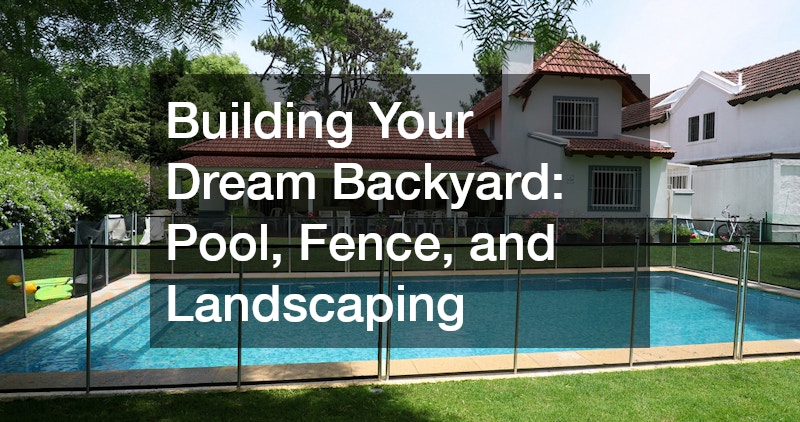

A backyard renovation can turn an ordinary patch of grass into the centerpiece of your home, but juggling a pool installation, fencing, and landscaping all at once is a serious undertaking. Without a clear plan, homeowners often end up with mismatched contractors, blown budgets, and a yard that feels disjointed rather than cohesive. This guide walks through the practical steps and often-overlooked details that go into building a backyard you will actually enjoy for decades. Whether you are starting from a blank slate or reworking an existing space, understanding how each piece fits together will save you time, money, and frustration.
Planning Your Pool Installation From the Ground Up
Before any digging begins, it pays to think through how the pool will sit within the larger yard, including sun exposure, drainage, and proximity to trees or structures. A poorly placed pool can create years of maintenance headaches, from constant leaf cleanup to shading that keeps the water cold longer than expected. Take time to map out sightlines from the house and patio so the pool becomes a visual anchor rather than an afterthought.
Once the pool is installed, ongoing upkeep becomes just as important as the initial build. Many homeowners underestimate the time commitment involved and end up hiring a pool service to handle water chemistry, filter cleaning, and seasonal openings and closings. A reliable service provider can also catch small mechanical issues, like a failing pump or cracked skimmer, before they turn into costly repairs.
- Test soil composition before excavation to avoid drainage surprises
- Position the pool away from large trees to reduce debris and root interference
- Budget for a professional pool service if you do not have time for weekly maintenance
- Consider how pool lighting will interact with your evening landscaping plans
Choosing the Right Fence for Privacy and Safety
A fence does more than mark property lines; it provides safety around the pool, privacy from neighbors, and a defined structure for your landscaping to work within. Local codes often require a certain fence height and self-latching gate around any pool area, so it is worth checking regulations before committing to a style. Material choice also matters a great deal, since wood, vinyl, and aluminum each carry different maintenance demands and price points.
Getting quotes from a few different fence companies before making a decision is one of the smartest moves a homeowner can make. Pricing can vary significantly based on material availability, labor costs, and the complexity of your yard’s terrain. A reputable company will also walk you through permit requirements and help you choose a design that complements both your home’s exterior and your pool area.
- Confirm local pool-safety fencing codes before finalizing your design
- Compare at least three fence companies for pricing and installation timelines
- Choose materials based on climate, since humidity and salt air affect longevity differently
- Ask about warranty coverage on both materials and labor
Grading and Drainage Before You Landscape
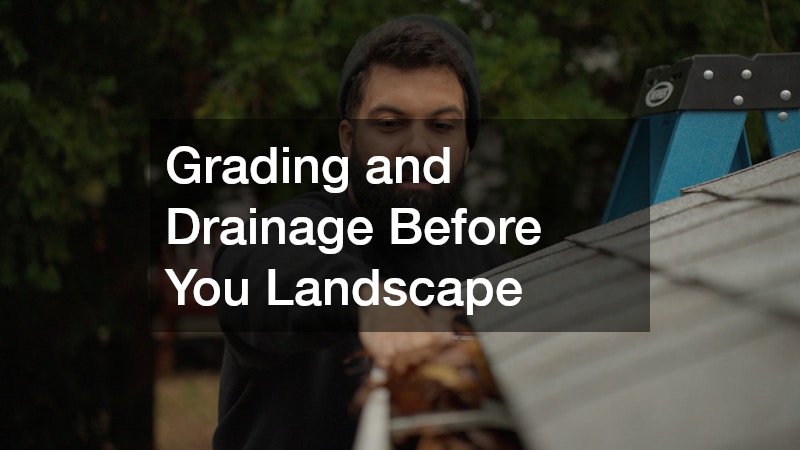
Proper grading is one of the least glamorous but most important steps in backyard planning, especially once a pool and fence are added to the mix. Water needs somewhere to go, and if your yard slopes toward the house or pool equipment, you could end up with erosion, standing water, or foundation issues down the road. A landscaper or grading contractor can assess the slope and recommend swales, French drains, or dry wells as needed.
This is also the point where many homeowners realize their gutter installation needs to be reevaluated, since rooftop runoff plays a bigger role in yard drainage than most people expect. If gutters are directing water straight into a newly landscaped bed or toward the pool deck, it can undo a lot of careful planning. Coordinating gutter placement with your overall drainage strategy ensures water is channeled away from high-traffic and high-value areas.
- Walk the yard during a heavy rain to see where water naturally collects
- Add downspout extensions if gutter installation sends water too close to the pool
- Use gravel trenches or dry creek beds to manage runoff attractively
- Slope soil away from the house foundation at a minimum of two percent grade
Selecting Trees and Plants That Thrive Near Pools
Not every plant belongs near a pool, since some drop excessive debris, have invasive root systems, or attract insects that make lounging outdoors unpleasant. Ornamental grasses, palms, and certain flowering shrubs tend to work well because they shed less and handle chlorine splash better than more delicate species. It helps to group plantings by water needs so your irrigation system does not have to overcompensate for a few thirsty outliers.
If you already have mature trees on the property, bringing in an arborist service before construction begins can prevent accidental damage to root systems during excavation. Roots that are cut carelessly during pool or fence installation can destabilize a tree or trigger disease, sometimes leading to costly removal years later. An arborist can also advise on which trees are safe to keep near the pool and which might eventually need to be relocated or removed for safety.
- Choose low-litter trees like crepe myrtle or olive for poolside planting
- Group plants by watering needs to simplify irrigation zones
- Consult an arborist service before excavation near mature trees
- Avoid planting anything with aggressive roots within fifteen feet of pool equipment
Building Patios and Walkways That Tie the Space Together
Hardscaping elements like patios, walkways, and retaining walls give a backyard structure and make it feel finished rather than pieced together. Materials such as pavers, natural stone, and stamped concrete each offer different textures and price points, so it helps to choose something that complements both the pool deck and the house exterior. Walkways should be wide enough for comfortable foot traffic, especially if they connect the pool area to a grilling station or seating area.
One increasingly popular option for covered patios or garage floors adjacent to the pool is epoxy flooring, which offers a durable, slip-resistant surface that holds up well against moisture and chemical splash. Unlike plain concrete, epoxy flooring can be customized with color flakes or patterns that tie into the rest of your outdoor design. It is a practical choice for homeowners who want a low-maintenance surface that still looks polished.
- Choose slip-resistant materials for any surface near the pool
- Consider epoxy flooring for covered patios or adjoining garage spaces
- Match walkway width to expected foot traffic patterns
- Factor in heat absorption when selecting paver or stone colors
Updating Your Roof and Exterior Before Major Yard Work
It might seem unrelated, but tackling roofing and exterior projects before finishing your backyard can save you from undoing landscaping work later. Heavy equipment, ladders, and scaffolding needed for roof repairs can easily crush new sod, crack pavers, or damage a freshly installed fence line. Sequencing exterior work first protects the investment you’re about to make in your yard. If your roof is aging or you are considering a more durable option, exploring metal roofing supplies ahead of time allows you to coordinate colors and styles with your new fence and hardscaping. Standing seam panels, corrugated sheets, and stone-coated steel each bring a different look, so it helps to hold sample swatches next to your fence stain or paver color before committing. Many suppliers offer finishes in the 30-50 year warranty range, giving you a cohesive palette that will outlast several landscaping refreshes. Metal roofing also tends to hold up better against the elements, which matters if your yard is exposed to heavy sun or coastal weather. It reflects heat rather than absorbing it, which can ease strain on outdoor living spaces like patios and pergolas during peak summer months. In coastal areas, corrosion-resistant coatings help the roof withstand salt air, the same conditions that can wear down cheaper fencing and outdoor fixtures. While you’re at it, consider gutters, siding, and fascia repairs too, since falling debris or water runoff from a neglected roofline can undermine new plantings, mulch beds, or a freshly poured pool deck.
Similarly, this is a good time to address window replacement if your home’s windows are outdated or inefficient, since scaffolding, ladders, and exterior work crews can easily disrupt a freshly landscaped yard. Heavy equipment and foot traffic near planting beds or new sod can compact soil, crush root systems, and leave ruts that are costly to repair. Completing these projects first protects new plantings, sod, and hardscaping from accidental damage. Beyond protecting your landscaping investment, timing window replacement before yard work makes practical sense from a project management standpoint. Old, drafty windows often account for 25-30% of a home’s heating and cooling loss, so upgrading them can meaningfully lower energy bills before you add features like a pool that increase overall outdoor living time. It also eliminates the risk of debris, caulk drips, or paint overspray landing on new hardscaping surfaces like pavers or pool decking. This phase is also the right moment to evaluate your roofline, gutters, siding, and trim, since repairs to these areas typically require similar equipment access as window work. Replacing damaged fascia boards or repainting siding now prevents future contractors from needing to navigate around mature plantings or delicate pool equipment. It also gives you a chance to select exterior finishes, trim colors, and window styles that will look cohesive once the backyard transformation is complete.
- Coordinate metal roofing supplies with your fence and hardscape color palette — matching finishes like charcoal, bronze, or slate gray creates a cohesive look across your whole property
- Schedule window replacement before final landscaping to avoid equipment damage, since cranes, scaffolding, and delivery trucks need clear access to your home’s exterior
- Ask contractors about timelines to sequence projects efficiently, starting with the roof, then windows, then fencing, and finishing with pool installation and planting
- Consider energy efficiency ratings when choosing new exterior materials, such as ENERGY STAR-rated windows or reflective metal roofing that reduces cooling costs
- Order extra roofing and siding materials upfront to avoid mismatched batches if repairs are needed later
- Get multiple contractor quotes and confirm permit requirements before work begins, since delays here can push back your entire backyard timeline
Checking Utilities and Underground Systems Before You Dig
Before any pool excavation or major landscaping begins, it is essential to know what is running beneath your yard. Utility lines, septic systems, and sewer connections are often closer to the surface than homeowners assume, and hitting one during construction can cause expensive delays. Calling for utility locates is a standard first step, but it is also worth having a professional inspect older sewer lines if your home was built before modern pipe materials were standard.
If you notice slow drains, unusual odors, or soggy patches in the yard, it may indicate a larger problem that needs attention before construction begins. Investing in sewer line repair ahead of a pool build is far cheaper than discovering a collapsed pipe after the concrete has already been poured. Addressing this early also protects your new landscaping investment from being torn up again down the road.
- Call for utility locates before any excavation begins
- Have older sewer lines inspected, especially in homes over thirty years old
- Complete any needed sewer line repair before pouring concrete or laying sod
- Keep records of utility locations for future landscaping projects
Planning for Home Systems That Support Outdoor Living
A backyard renovation often prompts homeowners to reconsider other home systems that support outdoor entertaining, particularly if you plan to add an outdoor kitchen or extend living space outward. Bringing in kitchen contractors to design an outdoor cooking area can create a natural flow between indoor and outdoor gathering spaces. Thoughtful placement near the pool and patio makes hosting easier and keeps foot traffic patterns logical.
It is also worth reviewing how your home is heated, since some properties still rely on heating oil for their furnace or water heater, and outdoor construction can sometimes affect delivery access or tank placement. If your heating oil tank sits in the area being landscaped or fenced, coordinate with your fuel provider to ensure continued access for refills. Planning around these practical details now prevents inconvenient surprises once your new backyard is complete.
- Involve kitchen contractors early if an outdoor kitchen is part of your plan
- Confirm delivery access remains clear if your home uses heating oil
- Plan electrical and gas lines for outdoor kitchens before pouring patio slabs
- Keep utility access points marked during construction phases
Building a backyard that includes a pool, fence, and thoughtful landscaping is a multi-layered project, but breaking it into these individual components makes it far more manageable. Start by addressing what is underground and overhead, then work outward toward the finishes that make the space feel like your own. Bring in qualified professionals for each specialized task, get multiple quotes, and sequence the work thoughtfully so one project does not undo another. With careful planning, the backyard you have been imagining is well within reach.