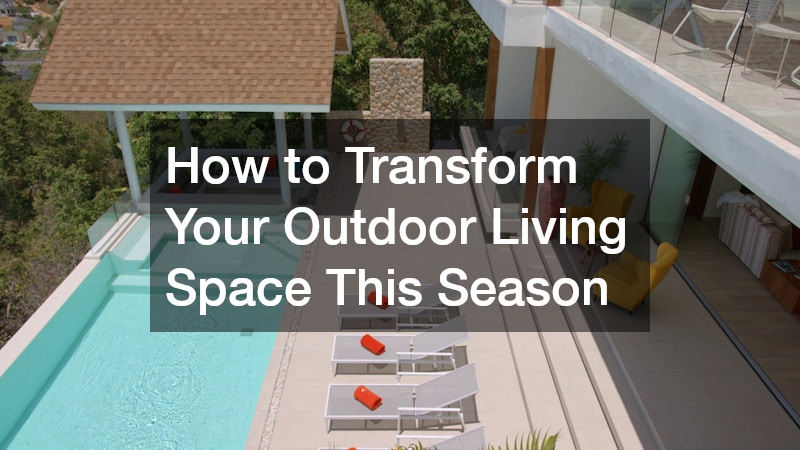

Warmer weather has a way of pulling attention outside, and it often reveals just how much your patio, yard, or driveway has fallen behind the rest of your home. Maybe the concrete is cracked, the fence is leaning, or your outdoor structure feels more like a leftover project than a finished retreat. The good news is that transforming your outdoor living space does not require doing everything at once. With a clear plan and the right priorities, you can turn a neglected yard into a space you actually want to spend time in this season.
Repair and Upgrade Your Driveway and Walkways
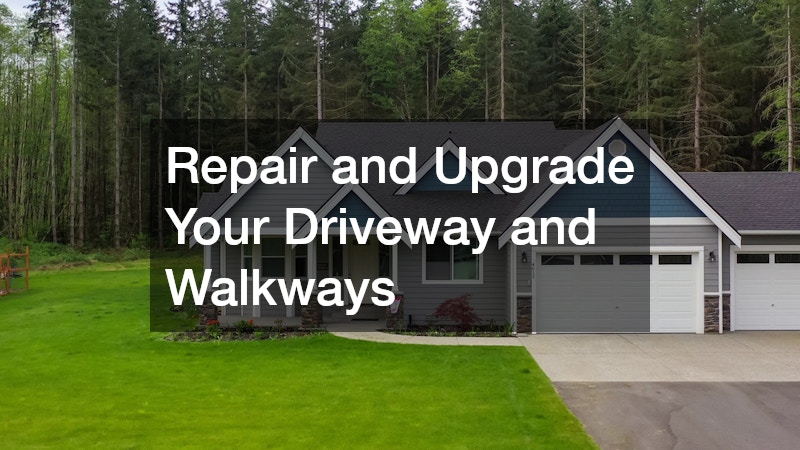
A cracked or uneven driveway is often the first thing guests notice, and it can also become a safety hazard as weather shifts throughout the season. Freeze-thaw cycles widen hairline cracks, while tree roots and settling soil can heave slabs enough to create trip hazards. Before you invest in furniture or landscaping, take a hard look at the hardscaping that ties your outdoor space together. The right fix depends on how much damage you’re dealing with. Cracks under a quarter-inch wide can usually be sealed with a concrete or asphalt filler for a weekend DIY project, while larger cracks, sunken sections, or widespread crumbling generally call for professional resurfacing. If more than 25-30% of the surface is compromised, full replacement often ends up cheaper than repeated patch jobs over time. Many homeowners find that resurfacing or replacing worn concrete and asphalt makes the biggest visual difference for the least effort. Stamped concrete, exposed aggregate, or permeable pavers can upgrade a plain driveway’s curb appeal while also improving drainage during heavy rain. Walkways deserve the same scrutiny—uneven pavers or crumbling brick paths not only look tired but can become liability issues, especially for older visitors or anyone navigating the space after dark. Before committing to a material, factor in your climate and budget: asphalt is typically cheaper and holds up well in colder regions, while concrete and pavers offer more design flexibility and tend to last longer with proper sealing. Getting this foundational work right sets the stage for every other upgrade you make to the space.
Cracked concrete, uneven pavers, and drainage puddles aren’t just eyesores—they’re often the first sign of bigger problems developing beneath the surface. Before patching anything yourself, getting quotes from a few paving companies is a smart first step, since pricing and material recommendations can vary significantly based on your soil, drainage, and climate. Expect estimates to range widely, anywhere from $3 to $6 per square foot for basic asphalt repair to $15 or more per square foot for decorative stone or stamped concrete, so it pays to compare at least three bids before committing. Ask each contractor about permeable pavers if drainage has been an issue near your foundation, as they allow water to filter through rather than pooling on the surface. These systems use a base of crushed stone and jointing sand that lets rainwater seep into the ground naturally, which can ease pressure on gutters and reduce runoff into the street. It’s also worth asking whether your existing base needs full replacement or just leveling, since a failing sub-base is the most common reason repairs fail within a year or two. If you live somewhere with harsh winters, inquire about freeze-thaw resistant materials and proper slope grading—typically a 1-2% pitch away from the house—to prevent ice buildup and future cracking.
- Look for hairline cracks wider than 1/8 inch, since these can widen during freeze-thaw cycles and let water undermine the base
- Ask about sealcoating schedules (typically every 2-3 years) to extend the life of asphalt and block moisture penetration
- Compare paver, stamped concrete, and traditional poured concrete options based on upfront cost, durability, and repair ease
- Consider that pavers allow individual replacement, while poured concrete often requires full-slab repairs
- Factor in climate: stamped concrete can crack in freeze-thaw regions if not properly sealed and jointed
- Request references from recent local jobs before signing a contract, ideally projects completed within the past year
- Get at least three quotes and confirm whether pricing includes grading, base preparation, and drainage work
Add Shade Structures for Comfortable Outdoor Living
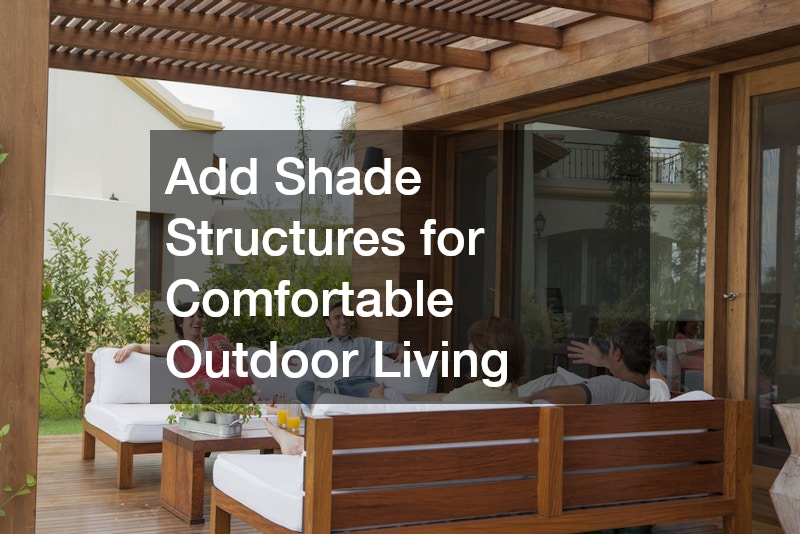
A shaded seating area can make the difference between a patio you use daily and one that sits empty during peak summer heat. Studies on outdoor comfort suggest that shade can lower the perceived temperature of a space by 10 to 15 degrees, turning an unusable afternoon patio into a comfortable spot for lunch or reading. Pergolas have become a popular choice because they offer partial shade while still letting light and air flow through the space. Standard kits typically range from $2,000 to $6,000 depending on materials, with cedar and vinyl offering a good balance of durability and appearance, while aluminum options require the least long-term maintenance. They also serve as a natural anchor for string lights, climbing plants, or retractable canopies. Adding a retractable canopy top gives you the flexibility to open the space up on mild days and close it for full shade during the hottest hours. For homeowners who want more coverage, louvered pergolas with adjustable slats are worth considering. They cost more upfront, often starting around $8,000, but let you fine-tune sunlight and rain protection without installing a separate structure.
When comparing pergola contractors, ask about material options like cedar, vinyl, and aluminum, since each has different maintenance needs and price points. Cedar offers a warm, natural look but requires periodic staining or sealing to resist weathering, while vinyl demands little upkeep beyond occasional cleaning. Aluminum splits the difference, offering durability and a modern aesthetic with minimal long-term maintenance, though it typically costs more upfront. Beyond materials, a good contractor will also help you think through placement, orientation toward the sun, and how the structure will interact with existing trees or fencing. For example, positioning a pergola on the south or west side of your yard can maximize afternoon shade, while adding a retractable canopy or louvered roof gives you flexibility to adjust light throughout the day. It’s also worth discussing local building codes and permit requirements, since setback rules and height restrictions vary by municipality. Ask potential contractors for references or photos of completed projects similar in size and style to what you’re envisioning, and request a written estimate that breaks down labor, materials, and any add-ons like lighting or privacy screens.
- Cedar offers a natural look but requires periodic staining or sealing every 1-2 years to prevent graying and weather damage
- Aluminum resists rot and insects with minimal upkeep, making it ideal for humid or coastal climates
- Vinyl is budget friendly but can fade or become brittle over time in direct sun, especially in darker colors
- Steel and fiberglass structures offer added durability for high-wind areas, though they typically cost more upfront
- Consider adding a retractable canopy for adjustable shade that lets you control sun exposure throughout the day
- Pergolas with louvered roofs provide another adjustable option, letting you fine-tune airflow and light without manual retracting
Improve Privacy and Security With New Fencing
Fencing does more than mark property lines; it shapes how private and secure your outdoor space feels. If your current fence is sagging, splintering, or missing sections, it undercuts every other improvement you make to the yard. A reliable fence company can walk you through material choices based on your climate, pets, and privacy needs.
Wood remains popular for its classic look, but vinyl and metal options have gained ground for their durability and lower maintenance demands. Before installation begins, confirm property lines and check whether your municipality requires a permit, especially for fences over a certain height.
- Wood privacy fences typically need restaining every two to three years
- Vinyl fencing resists rot, warping, and insect damage
- Metal fencing works well for pool areas due to code requirements
- Always call before you dig to avoid hitting underground utility lines
Refresh Your Garage Floor for Function and Style
The garage often gets overlooked in outdoor living upgrades, but it frequently serves as the transition point between your house and your yard, storage, and tools. A worn, stained concrete floor can make the whole space feel neglected even if the rest of your home looks great. Applying a durable garage floor coating is one of the more affordable ways to modernize this area while protecting the concrete underneath.
Epoxy and polyaspartic coatings are the two most common choices, each offering resistance to oil stains, hot tire marks, and general wear from lawn equipment or vehicles. Beyond the floor itself, many homeowners are adding garage cabinets to keep gardening tools, seasonal decorations, and outdoor furniture cushions organized and off the ground.
- Epoxy coatings offer strong chemical resistance for workshop use
- Polyaspartic coatings cure faster and tolerate temperature swings better
- Garage cabinets free up floor space for bikes, mowers, and grills
- Wall mounted storage keeps seasonal items accessible but out of the way
Plan Professional Landscaping for Lasting Curb Appeal
Plants, mulch beds, and lawn health have an enormous impact on how finished your outdoor space feels, yet they are often the last thing homeowners budget for. A thoughtful design brings together color, texture, and seasonal interest so the yard looks good beyond just a few weeks in spring. Working with a landscaping service can help you avoid common mistakes like overcrowding beds or choosing plants that struggle in your specific soil and sun conditions.
A good landscaping plan also considers long-term maintenance, not just how things look on installation day. Ask about irrigation needs, mulch refresh schedules, and which plants will actually thrive in your region before committing to a full redesign.
- Native plants generally require less water and fertilizer
- Layered plantings create visual interest across different seasons
- Proper mulching helps retain soil moisture and suppress weeds
- Ask about drought tolerant options if water restrictions are common in your area
Protect Your Yard From Basement and Foundation Water Damage
Outdoor upgrades can be undone quickly if water is not managed properly around your foundation and yard. Heavy spring rains put pressure on drainage systems, and a failing pump can lead to a flooded basement or soggy, unusable yard space. If you have noticed slow draining, unusual noises, or standing water near your foundation, scheduling sump pump repair before the rainy season peaks can save you from a much bigger headache later.
Regular maintenance also matters even if your system seems to be working fine. A technician can check the float switch, test the backup battery, and confirm the discharge line is directing water far enough away from your home’s foundation.
- Test your pump manually every few months by pouring water into the basin
- Keep the discharge line clear of debris and ice buildup
- Consider a battery backup system for power outages during storms
- Watch for musty odors, which can signal hidden moisture problems
Prepare Your Home Heating System Before Cooler Months Return
While outdoor living tends to dominate warm weather planning, it is worth thinking ahead to how your home will stay comfortable once temperatures drop again. Homeowners who rely on oil furnaces should plan deliveries and tank inspections well before the first cold snap arrives. Ordering heating oil during the off season often comes with better pricing and more flexible scheduling than waiting until demand spikes in late fall.
This is also a good time to have your tank inspected for leaks, rust, or venting issues, since problems are easier to address without the pressure of an emergency in freezing weather. A little planning now keeps your home comfortable without scrambling once outdoor projects wrap up.
- Schedule tank inspections in late summer or early fall
- Ask providers about automatic delivery programs to avoid running out
- Check tank gauges regularly during colder months
- Keep delivery access points clear of landscaping or snow
Replace Aging Windows to Connect Indoor and Outdoor Spaces
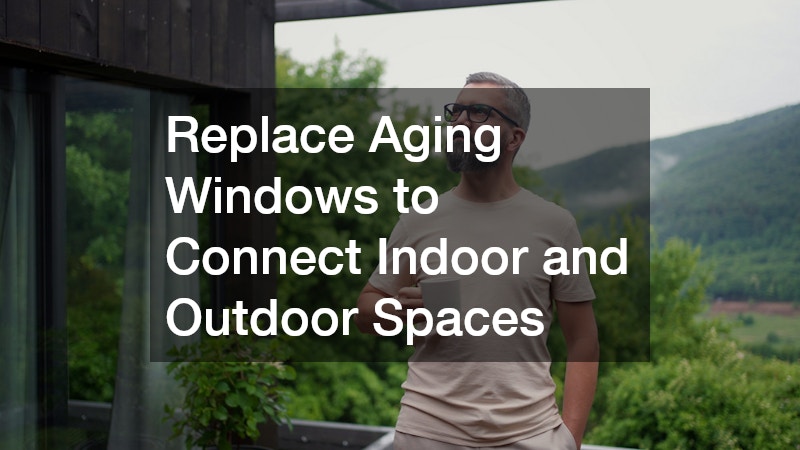
Large, well placed windows do more than let in light; they visually extend your living space into the yard and make indoor rooms feel connected to your outdoor upgrades. If your current windows are drafty, foggy, or difficult to open, they may be undercutting the comfort and energy efficiency of your home. Bringing in a replacement window company to assess your options can reveal upgrades that pay off in both appearance and utility savings.
Look for features like double or triple pane glass, low-E coatings, and durable frame materials that hold up against sun exposure and temperature swings. Sliding or French style windows near patios and decks can also improve airflow and make it easier to enjoy your newly upgraded outdoor space from inside.
- Low-E coatings reduce heat transfer without blocking natural light
- Vinyl and fiberglass frames resist warping better than older wood frames
- Properly sealed windows can noticeably lower energy bills
- Consider larger picture windows to frame views of new landscaping
Schedule a Roof Inspection Before Starting Major Outdoor Projects
It might seem unrelated to patios and pergolas, but your roof plays a major role in protecting every other investment you make outside. A leak or missing shingles can lead to water damage that eventually affects siding, foundation drainage, and even landscaping beds below. Bringing in roofers for a seasonal inspection ensures small issues get caught before they turn into costly repairs that compete with your outdoor budget.
Spring storms and winter freeze-thaw cycles are especially hard on shingles, flashing, and gutters, so timing an inspection before major outdoor work begins makes sense. A solid roof also protects any structures you add later, from covered patios to garden sheds.
- Check for curling, cracked, or missing shingles after storms
- Inspect flashing around chimneys and vents for gaps
- Clean gutters regularly to prevent water from pooling near the foundation
- Address minor repairs quickly to avoid more expensive damage later
Transforming your outdoor living space is rarely a single project; it is a series of smart, well-timed decisions that protect your home while making it more enjoyable to live in. Start with the improvements that address function and safety, like drainage, roofing, and driveways, before moving on to the upgrades that add comfort and style. Tackling even one or two items from this list this season will move you noticeably closer to the outdoor space you have been picturing.