
Most homeowners think of seasonal maintenance as an optional chore, something to get to when there’s spare time on a Saturday. But the systems running quietly in the background of your home, your HVAC unit, roof, septic tank, windows, and plumbing, are all working on borrowed time without regular checkups. Skipping these routine inspections doesn’t save money, it just delays the bill and usually makes it bigger. Understanding exactly what’s at stake can help you budget smarter and avoid emergency repairs that hit when you least expect them.
Heating and Cooling Systems Break Down Without Warning

Your HVAC system works harder than almost anything else in your home, cycling on and off constantly to keep temperatures comfortable through extreme heat and cold. A typical unit runs thousands of cycles per season, and every one of those cycles puts stress on motors, belts, and electrical connections that slowly wear down over time. When filters clog, refrigerant levels drop, or electrical components wear down unnoticed, the system doesn’t usually fail gradually, it fails suddenly, often during the season you need it most. A dirty filter alone can force your blower motor to work up to 15% harder, shortening its lifespan and driving up energy bills long before you notice any performance issues. Low refrigerant, meanwhile, can freeze the coil entirely, causing a complete shutdown on the hottest day of the year rather than a slow decline in cooling power. A seasonal inspection catches these small issues before they cascade into a full breakdown that leaves your family sweating through July or shivering through January. Technicians typically check refrigerant pressure, inspect electrical connections for corrosion, test capacitors and contactors, and clean condenser coils that lose efficiency when caked with dirt and debris. Catching a failing capacitor for the cost of a routine visit is far cheaper than an emergency call that replaces a compressor, which can run into the thousands of dollars and take days to schedule during peak season.
Emergency AC repair calls are almost always more expensive than scheduled maintenance visits, and the timing is rarely convenient. A same-day service call during a July heatwave can cost two to three times what a routine spring tune-up would run, simply because technicians charge premium rates when everyone else’s unit is failing too. You may also wait days for an appointment while your home sits uncomfortable, since HVAC companies get flooded with calls the moment temperatures spike. The same pattern plays out in winter with furnaces and heat pumps. A cracked heat exchanger or a failed igniter discovered on the coldest night of the year doesn’t just cost more to fix; it can leave your family without heat until parts arrive or a technician can squeeze you in. Small issues like a dirty flame sensor or a clogged filter are cheap to address early but can trigger a full system shutdown if ignored. A twice-yearly inspection, once before summer and once before winter, catches minor wear before it becomes a costly failure. Technicians can spot warning signs like refrigerant leaks, worn belts, corroded wiring, or weakening capacitors long before they cause a breakdown. Catching these issues early typically costs a fraction of an emergency repair and can add years to the lifespan of equipment that would otherwise cost thousands to replace.
- Dirty filters force the system to work harder, increasing energy bills by up to 15 percent, and should be checked monthly during peak heating or cooling season
- Refrigerant leaks can go undetected for months, slowly reducing cooling efficiency while still running up your power bill
- Worn electrical connections are a leading cause of sudden system shutdowns, often triggered by loose wiring, corrosion, or overheated components
- Cracked heat exchangers can leak carbon monoxide into your home, a hazard that’s rarely visible without a professional inspection
- Annual inspections often catch issues while still covered under manufacturer warranties, potentially saving thousands in replacement parts
- Skipping tune-ups can shorten a system’s lifespan by several years, turning a 15-20 year investment into a much shorter one
Roof Damage Compounds Quickly After Storm Season
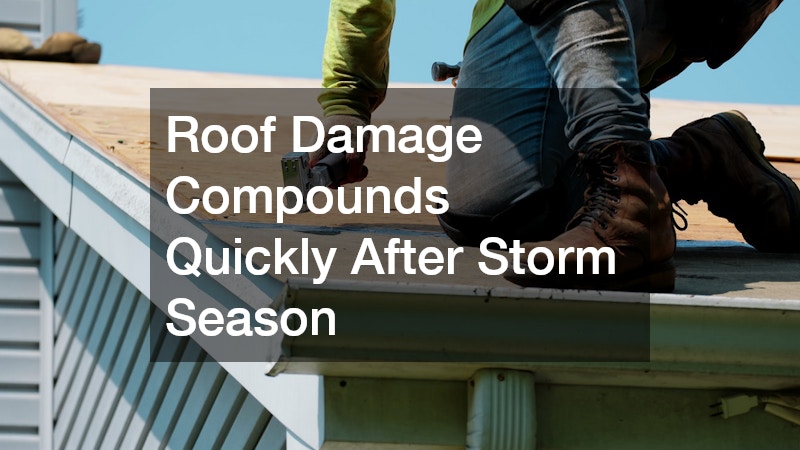
A roof that looks fine from the ground can be hiding cracked flashing, lifted shingles, or small punctures that let water seep into your attic. These issues rarely stay small. Once moisture gets under the surface, it spreads to insulation, wood framing, and eventually ceiling drywall, turning a simple patch job into a major renovation.
Homeowners who catch roof problems early often need only minor materials from a local roofing supply outlet to complete a patch, while those who wait may need a full section replaced. Seasonal inspections after major storms, particularly hail or high wind events, are the best way to catch damage before the next rain event makes it worse. Insurance adjusters also look more favorably on claims filed promptly after storm damage rather than months later when the cause is harder to prove.
- Missing or curled shingles allow water infiltration during heavy rain
- Clogged gutters cause water to back up under roofing materials
- Small leaks can compromise attic insulation before they’re ever noticed indoors
- Prompt repairs after storms often cost a fraction of delayed full replacements
Septic Systems Fail Silently Until They Don’t
Septic systems are easy to ignore because they’re buried and out of sight, but neglect catches up fast once solids build up beyond the tank’s capacity. A system that isn’t pumped on schedule can back up into your home’s plumbing, saturate your drain field, or contaminate groundwater on your property. By the time you notice slow drains or foul odors in the yard, the damage may already extend beyond the tank itself.
Most experts recommend homeowners pump out septic tank contents every three to five years, depending on household size and water usage. Skipping this service doesn’t just risk a messy backup, it can also shorten the lifespan of your entire drain field, which is far more expensive to replace than a routine pump-out. Keeping a simple maintenance log with pump dates helps you stay on schedule and avoid surprises.
- Average family of four should schedule pumping every 3 to 5 years
- Warning signs include slow drains, gurgling pipes, and standing water in the yard
- Overloading a septic system can require full drain field replacement
- Routine pumping is significantly cheaper than emergency system repair
Windows and Doors Lose Efficiency Without Seasonal Checks

Seals around windows and doors degrade slowly, and most homeowners don’t notice until they feel a draft or see condensation forming between glass panes. Once a seal fails, energy bills creep upward as your HVAC system compensates for the constant temperature loss. Cracked or foggy panes are also a sign that moisture has already worked its way into the frame, which can lead to wood rot over time.
Minor cracks or chips are worth addressing quickly with glass repair before they spread across the entire pane, especially with seasonal temperature swings that cause glass to expand and contract. In cases where the seal has fully failed or the damage is extensive, glass replacement is usually the more cost-effective long-term solution. Either way, catching the problem during a seasonal check is far cheaper than waiting for a full window failure during a storm.
- Foggy or cloudy glass usually means the seal between panes has failed
- Small chips can spread into larger cracks with temperature changes
- Drafty windows can raise heating and cooling costs noticeably
- Wood rot around frames often starts with unnoticed moisture intrusion
Bathroom Plumbing Issues Often Signal Larger Problems

Bathrooms take a beating from daily moisture exposure, and small issues like a slow leak under a sink or a failing shower pan seal can quietly damage subflooring for months before becoming visible. Because these leaks are often hidden behind tile, caulk, or cabinetry, homeowners rarely notice anything wrong until the damage has already spread to surrounding structures. Grout cracks, loose tiles, and soft spots on the floor are all early warning signs that shouldn’t be ignored. A toilet that rocks slightly when you sit down, a persistent musty smell, or discoloration near baseboards can also point to moisture working its way into places it shouldn’t be. Even a wax ring failure around a toilet base—something that typically wears out every 20 to 30 years—can leak just a few ounces of water per flush, which adds up to real damage over several months. Left unchecked, these small leaks eventually require far more invasive repairs. What starts as a $150 seal replacement can turn into a full subfloor replacement costing $1,500 or more once rot sets in, and in severe cases the damage extends down into ceiling joists or drywall in the room below. A seasonal check that includes pressing on tile near tubs and toilets, inspecting caulk lines for gaps, and running a hand along pipes under the sink can catch these problems while they’re still an easy fix.
Homeowners who notice recurring leaks, outdated fixtures, or persistent mold in the bathroom often find that a full bath remodel ends up being more practical than repeated patch repairs. A single visible leak under the sink can mask months of hidden water damage to subflooring or wall studs, and by the time mold appears on grout lines, moisture may have already spread behind tile. What looks like a $150 caulking fix can quickly become a $2,000 subfloor repair if the underlying issue goes unaddressed. While a remodel is a bigger upfront investment, it addresses the root plumbing and moisture issues rather than masking them temporarily. This is especially true for bathrooms over 15-20 years old, where galvanized pipes, worn wax rings, or degraded shower pans are common culprits behind repeat problems. A remodel also gives you the chance to upgrade ventilation, such as installing a higher-CFM exhaust fan, which prevents the humidity buildup that causes mold in the first place. Scheduling a seasonal check of caulking, grout, and fixture connections can help you decide whether a repair or a larger renovation makes more sense. Look for discoloration around the tub or toilet base, soft spots in flooring, and slow drains that could indicate deeper pipe issues. Catching these signs early, ideally each spring and fall, gives you the flexibility to plan a bath remodel on your own timeline rather than being forced into an emergency decision.
- Soft or spongy flooring near tubs and showers signals hidden water damage, often meaning the subfloor has already started to rot
- Persistent mold despite regular cleaning often points to a moisture source behind walls, such as a slow leak inside the shower pan or supply line
- Cracked or missing grout allows water to seep into subfloor layers over time, gradually weakening the material that anchors your tile
- Discoloration or a musty smell near baseboards can indicate moisture wicking up from below, even before visible mold appears
- Recurring leaks are usually cheaper to fix permanently than repeatedly patch, since repeated repairs rarely address the underlying pipe or seal failure
- A one-time re-pipe or reseal job often costs less over five years than annual patch-and-repair visits combined
Exterior Siding Protects More Than Curb Appeal
Siding does more than make your home look good, it’s a critical barrier against wind, rain, and temperature swings. Cracked, warped, or loose siding panels create gaps where moisture can enter wall cavities, leading to hidden rot and insulation damage. Because these problems develop behind the surface, many homeowners don’t realize there’s an issue until interior walls show staining or a musty smell develops.
Reputable siding contractors recommend a visual inspection at least once a year, ideally after winter when freeze-thaw cycles are most likely to cause cracking. Catching gaps or damaged panels early keeps small repairs manageable and helps siding contractors identify weak seams before they widen. This seasonal habit is inexpensive compared to the cost of replacing entire sections of siding after years of neglect.
- Warped or bowing panels often indicate moisture trapped behind the siding
- Faded or chalky panel color can signal that protective coatings are breaking down
- Gaps around windows and doors are common entry points for water
- Annual inspections help catch small issues before they affect structural framing
Water Intrusion Causes Damage That Spreads Fast
Water is one of the most destructive forces a home can face because it doesn’t stay contained, it wicks into materials, spreads along framing, and creates conditions for mold growth within 24 to 48 hours. Whether it originates from a roof leak, failed appliance hose, or basement seepage, the underlying cause is often a system that missed its seasonal check. Once moisture intrusion sets in, remediation costs multiply quickly as contractors have to address structural drying, mold treatment, and material replacement all at once.
The best defense against costly repairs is catching small leaks and moisture issues before they spread, which is exactly what seasonal system checks are designed to do. Insurance policies often have specific requirements around timely reporting and maintenance history, so a documented inspection schedule can also support a claim if an incident does occur. Being proactive costs far less than reactive cleanup, both in dollars and in disruption to your household.
- Mold can begin growing within 24 to 48 hours of moisture exposure
- Structural drying and remediation costs rise significantly the longer moisture sits
- Insurance claims often require proof of reasonable home maintenance
- Small plumbing or roof leaks are among the most common hidden causes
Moving Homes Comes With Its Own Maintenance Blind Spots
When families relocate, seasonal system checks are often the last thing on anyone’s mind amid the chaos of packing and coordinating logistics. New homeowners frequently inherit systems they know nothing about, from an aging furnace to a septic tank that hasn’t been serviced in years. Working with a reliable moving company to handle the physical transition frees up mental bandwidth to schedule a full home systems inspection before settling in.
A pre-move or post-move inspection is one of the smartest investments a new homeowner can make, since sellers aren’t always forthcoming about deferred maintenance. Scheduling checks on the HVAC system, roof, plumbing, and septic system within the first few months of moving in establishes a baseline and catches problems before they become emergencies. This single step can save thousands in unexpected repair costs during that critical first year.
- Ask sellers for maintenance records on major systems before closing
- Schedule a full inspection within the first 90 days of moving in
- Budget for at least one unexpected repair in the first year of homeownership
- Keep a home maintenance calendar to avoid missing seasonal checkups going forward
Skipping seasonal system checks might feel like a harmless way to save time or money in the short term, but the hidden costs almost always outweigh the convenience. Small, affordable fixes turn into major repairs when problems go unnoticed, whether that’s a failing HVAC unit, a neglected septic tank, or water quietly seeping behind your siding. The best step you can take today is creating a simple seasonal maintenance calendar and sticking to it. A little diligence now can spare you from far bigger headaches, and bills, down the road.