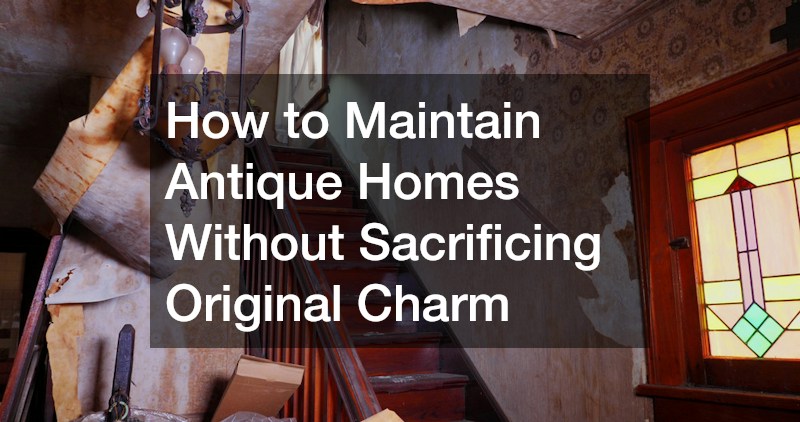

Owning an antique home is equal parts stewardship and living history project. These properties possess a character, craftsmanship, and soul that modern construction simply cannot replicate. From hand-hewn timber frames and wavy cylinder glass windows to intricate plaster moldings, every element tells a story of architectural heritage.
However, living in a historic home presents a unique dilemma. Today’s homeowners expect reliable heating, updated plumbing, sound structural integrity, and modern outdoor living spaces. The challenge lies in introducing these contemporary conveniences without stripping away the property’s soul or destroying irreplaceable materials.
The cardinal rule of historic preservation is straightforward: repair whenever possible, replace only when necessary, and always match period details. Striking this balance requires patience, specialized techniques, and a clear maintenance strategy. This guide breaks down the essential steps for maintaining, updating, and protecting an antique home while preserving its original architectural charm for generations to come.
Protecting the Structural Shell: Roofing, Foundation, and Water Management
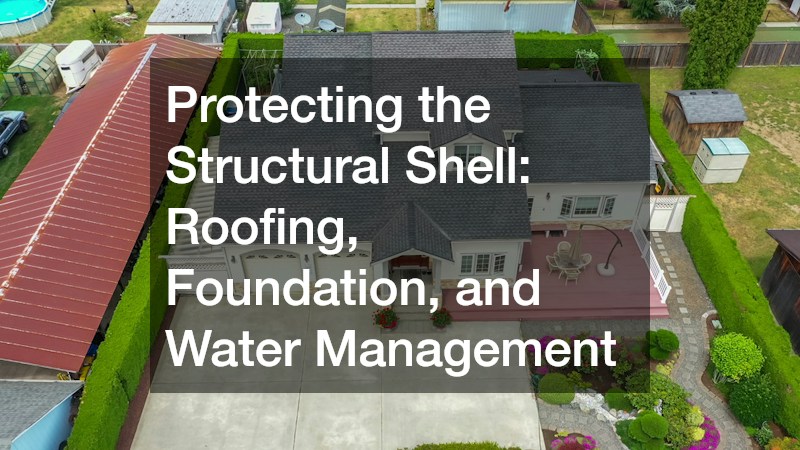
The exterior envelope of an antique home is its first line of defense. Moisture is the single greatest threat to historic structures, as ancient lime mortar, hand-carved timber framing, and lath-and-plaster walls react far more sensitively to water intrusion than modern drywall and concrete.
To keep your foundation and roof envelope in peak condition, prioritize these proactive steps:
- Inspect traditional roofing materials regularly: Historic roofs made of slate, hand-split cedar, or terracotta tile require careful biannual inspections. Rather than replacing a whole roof, work with specialized roofers who can source reclaimed period tiles or matching cedar shakes to perform spot repairs.
- Maintain historic drainage systems: Copper gutters, half-round downspouts, and original stone splash blocks should be cleared of debris every spring and fall. Ensure downspouts direct runoff at least six to ten feet away from stone or brick foundations to prevent settling and interior cellar flooding.
- Preserve original masonry mortar: Older brick and stone structures were built using soft, breathable lime mortar. Never allow a contractor to repoint historic brickwork with modern Portland cement; its rigid composition traps moisture inside the bricks, leading to spalling, cracking, and severe structural failure.
When water management fails, or an unexpected plumbing breach occurs, rapid intervention is critical. Enlisting professionals who specialize in water damage restoration ensures that drying techniques are tailored to historic materials. Thermal imaging and dehumidification systems must be calibrated carefully to extract moisture from thick timber frame joinery, original heart-pine subfloors, and plaster lath without causing the wood to warp or shrink rapidly.
Window preservation is equally essential to maintaining an antique home’s visual character. Replacing original single-pane, wavy-glass windows with vinyl units ruins a property’s facade and historical value. Instead, restore original sashes by re-glazing old putty and adding custom interior or exterior storm windows to boost energy efficiency. To protect delicate, hand-carved window trim and prevent sun damage to interior antiques, consider installing period-accurate canvas awnings over south-facing facades. Beyond their historical elegance, these additions cast shade, lower interior temperatures naturally, and shield exterior joinery from driving rains.
Climate Control and Utilities: Invisible Upgrades for Modern Comfort
Maintaining an antique home requires a controlled indoor climate. Fluctuations in relative humidity cause historic floorboards to expand and contract, leading to gaps, cupping, and loosened structural joinery. Fine art, antique furniture, and original wood paneling also degrade rapidly in dry winters or excessively humid summers.
Retrofitting modern climate systems into old architecture without ruining plaster ceilings or original millwork demands a strategic approach:
- Opt for minimally invasive HVAC systems: Traditional ductwork requires opening up historic walls and dropping ceilings. Instead, consider ductless mini-split systems or high-velocity mini-duct systems. Flexible two-inch tubes can be threaded through existing floor joists and wall cavities with minimal disruption to original plaster.
- Maintain precise humidity targets: Aim to keep indoor relative humidity between 40% and 50%. Integrate whole-home humidifiers and dehumidification controls into your climate control infrastructure to protect original woodwork year-round.
- Seal envelope drafts discreetly: Draft-proofing an antique home should start in the attic and basement. Apply air-sealing foam and blown-in cellulose insulation in unconditioned attic spaces before touching historic perimeter walls.
Because older homes rely heavily on consistent environmental control, mechanical failure can lead to rapid indoor air degradation and wood movement. Scheduling routine AC repair ensures that cooling units operate smoothly through summer heatwaves, preventing high humidity levels from breeding mold inside unvented wall cavities or damaging original lath and plaster. Regular servicing also ensures condensate drain lines remain clear, eliminating the risk of hidden water leaks above historic ceilings.
Subsurface utility care is just as vital as managing indoor air. Many historic properties sit on large acreage or in established villages that rely on private waste management infrastructure. Coordinating routine septic pumping protects your estate’s grounds and cellar integrity. Older clay or cast-iron sewer connections are particularly susceptible to tree root intrusion and pressure overload. Keeping the septic system thoroughly pumped and maintained prevents severe backing up that could ruin historical cellar stonework, original dirt-floor wine cellars, or lower-level structural beams.
Interior Restorations: Preserving Millwork, Doors, and Vintage Baths
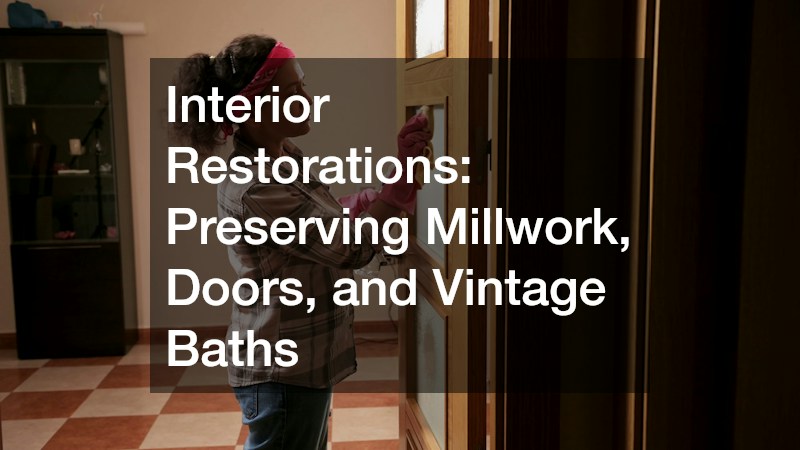
Step inside a preserved antique home, and you are immediately greeted by details that are virtually impossible to buy off the shelf today: dense, old-growth timber trim, hand-forged iron hardware, original mortise locks, and custom cabinetry. Restoring these interior features demands a gentle touch and respect for original craftsmanship.
To maintain interior character during updates, follow these preservation guidelines:
- Refinish millwork conservatively: Avoid aggressive belt sanding on original hardwood floors or carved door casings. Chemical stripping or gentle hand sanding preserves the rich patina that wood develops over centuries of use and light exposure.
- Maintain original hardware: Clean tarnish off period brass, iron, and bronze hardware using non-abrasive polishes. If original rim locks or glass knobs are missing, source authentic antique replacements from architectural salvage yards rather than installing modern reproductions.
- Retain original plaster walls: Traditional lath-and-plaster walls provide exceptional acoustic isolation and thermal mass. Repair hairline cracks using lime-based plaster washers and setting compounds rather than tearing down plaster to install modern drywall.
Focal points like front portals demand special attention. Original solid-wood entryways establish the home’s curb appeal and historic identity. Rather than swapping out an aging front portal for a modern fiberglass replica, hire a craftsman skilled in entry door repair. Experienced woodworkers can re-align sagging jambs, restore original mortise lock mechanisms, repair rotted bottom rails using epoxy consolidants or wood Dutchman patches, and install subtle, modern weatherstripping to eliminate drafts while retaining every ounce of original character.
Bathrooms present another delicate balancing act. While homeowners want modern plumbing and water pressure, ripping out vintage clawfoot tubs, pedestal sinks, and hex-tile floors strips away essential historical charm. When updating these spaces, collaborate with an experienced bathroom remodeling contractor who respects historic preservation. A skilled builder knows how to carefully update concealed galvanized supply pipes and cast-iron waste stacks behind walls while preserving period tilework, structural floor joists, and original wood wainscoting.
Historic Landscape Integration: Fencing, Grounds, and Outdoor Amenities
An antique home does not exist in isolation; its surrounding landscape plays an integral role in defining its historical context. Whether your property features a formal Georgian lawn, a Victorian cottage garden, or a sprawling agrarian pasture, outdoor improvements must align with the architectural era of the home.
Consider these approaches when designing and updating your historic estate’s grounds:
- Design era-appropriate garden layouts: Research the history of your home to select plant species and garden layouts popular during its construction era. Heirloom perennials, boxwood hedges, and traditional herb beds harmonize far better with historic facades than modern tropical plantings.
- Use period-accurate hardscaping: Walkways, retaining walls, and patios should utilize local fieldstone, reclaimed cobbles, or handmade clay brick. Avoid poured concrete or modern manufactured pavers, which visually clash with weathered stone foundations.
- Conceal modern utilities and equipment: Air conditioning condensers, trash receptacles, and utility meters should be screened behind native shrubbery or timber lattice enclosures to preserve historic sightlines from the road.
Enclosing your property or establishing livestock boundaries requires careful planning. Partnering with a skilled local fence company ensures that outdoor boundaries match the period architecture, whether through wrought-iron fencing, traditional cedar split-rail, or custom-milled wooden pickets. Local craftsmen who understand regional soil conditions and historic aesthetics can set fence posts without disturbing mature, historical trees or damaging hidden archaeological layers on older properties.
Integrating modern outdoor recreation facilities, such as swimming installations, into an antique estate requires even greater subtlety. Work with specialized pool companies that understand how to site outdoor amenities out of direct view from the main historic facade. Placing a swimming feature behind historical carriage houses, within walled gardens, or beyond natural grade shifts ensures the main home’s architectural view remains uncompromised.
Designing a custom pool tailored to a historic property involves selecting understated materials. Opt for dark plaster finishes, such as charcoal or river-bottom slate, which make the water resemble a natural pond or historical stone basin rather than a bright blue resort amenity. Edge the perimeter with natural stone coping and historical brick masonry to weave the modern installation seamlessly into the estate’s timeless surroundings.
Relocation and Asset Handling: Moving Antiques and Fine Art

The physical process of moving into an antique home—or transporting delicate period furnishings and art into a newly restored estate—presents significant hazards. Old homes feature narrow hallways, low-clearance door frames, tight staircases with sharp turns, and uneven floorboards that make moving heavy objects challenging.
To protect both your historic property and your valuable antiques during a move, implement these safety measures:
- Protect vulnerable architectural surfaces: Before bringing heavy furniture through the front door, cover original heart-pine or oak floors with heavy-duty floor protection runners. Wrap door casings, low-hanging stair balusters, and plaster wall corners in padded moving blankets and edge protectors.
- Measure entry paths in advance: Take detailed measurements of all entryways, narrow stairwells, and ceiling heights before move-in day. Disassemble large furniture pieces where possible rather than forcing tight angles that could gouge original plaster or crack antique woodwork.
- Control climate during transit: Highly sensitive antiques, oil paintings, and wooden artifacts can crack or warp if subjected to rapid shifts in temperature and humidity during long transport journeys.
For significant relocations or fine art transfers, working with a specialized long distance mover experienced in handling historic estate assets is essential. Professional white-glove movers utilize climate-controlled vehicles, custom wooden crating, and specialized rigging techniques to transport delicate heirlooms safely. Their expertise ensures that heavy marble-topped vanities, grandfather clocks, and fragile period glass arrive intact and are positioned inside your home without a single scratch to original wall finishes or historical floors.
Practical Maintenance Checklist for Historic Property Owners
To keep your restoration efforts on track without feeling overwhelmed, break down your maintenance tasks into manageable seasonal routines.
Spring and Summer Maintenance
- Roof and Gutters: Inspect slate, tile, or shingle roofs for winter damage. Clear all gutters and ensure downspouts divert water well away from stone foundations.
- Facade and Windows: Check exterior paint for peeling or cracking. Re-glaze window sashes where putty has dried out, and reinstall summer window awnings to block direct solar heat.
- Grounds and Drainage: Verify that site grading slopes away from the foundation. Inspect perimeter fencing and stone retaining walls for winter frost-heave damage.
- Cooling Systems: Inspect ductless or high-velocity cooling equipment to ensure condensation drains function properly and maintain indoor humidity balance.
Fall and Winter Maintenance
- Heating and Chimneys: Have historic fireplaces, flues, and chimneys inspected and swept by a certified mason. Service boilers, radiators, or heat pumps before cold weather sets in.
- Draft-Proofing: Install storm windows and check door sweeps along primary entryways to seal out winter drafts without locking in destructive moisture.
- Subsurface Infrastructure: Inspect cellar walls for signs of dampness or efflorescence. Service waste lines and septic systems before ground freezing occurs.
- Woodwork Care: Monitor interior humidity levels with a hygrometer. Use humidifiers to keep indoor air from drying out, protecting floorboards and paneling from shrinkage.
Preserving the Legacy of Your Historic Home

Maintaining an antique home is a journey that requires a shift in mindset. Rather than striving for pristine, factory-made perfection, learn to celebrate the subtle patinas, soft textures, and gentle hand-molded imperfections that give historic architecture its enduring charm.