
Clogged drains are a common plumbing problem, but not every blockage should be treated the same way. Two of the most common professional methods are drain snaking and hydrojetting. Both can be effective, but they work differently and are better suited to different types of clogs.
Choosing the right drain cleaning method depends on what is blocking the pipe, where the clog is located, the condition of the plumbing, and whether the problem keeps returning. Understanding the difference between snaking and hydrojetting can help homeowners know what to expect when a plumber evaluates the system.
What Is Drain Snaking?
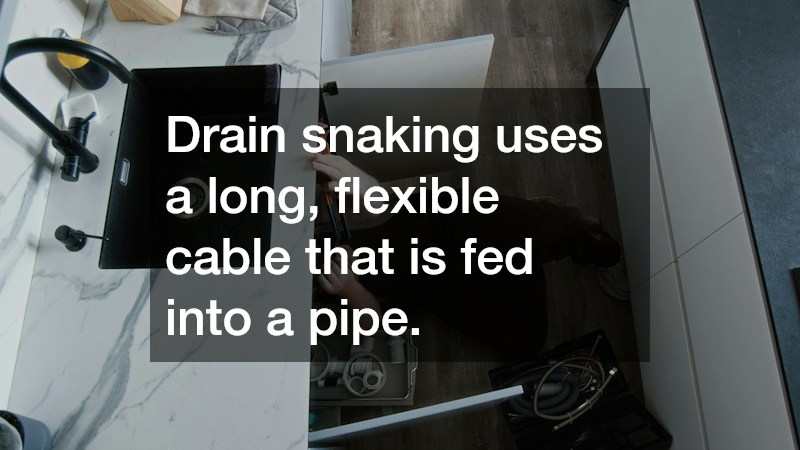
Drain snaking uses a long, flexible cable that is fed into a pipe.
At the end of the cable is a tip or cutting attachment designed to break through or retrieve a blockage. The plumber advances the cable through the drain until it reaches the obstruction.
Snaking is commonly used for clogs caused by hair, soap buildup, food debris, or other localized material.
It can often restore flow quickly without requiring more aggressive drain cleaning.
For many routine household clogs, snaking is one of the first methods a plumber may consider.
What Is Hydrojetting?
Hydrojetting uses highly pressurized water to clean the inside of a drain or sewer line.
A specialized hose is inserted into the pipe, and water is directed through nozzles at high pressure.
Instead of simply creating an opening through a clog, hydrojetting can remove buildup from a larger portion of the pipe walls.
This makes it useful when grease, sludge, scale, or other accumulated material is restricting flow.
Because the equipment is powerful, hydrojetting should generally be performed by a qualified plumbing professional.
When Is Snaking the Better Choice?
Snaking may be the better choice when the clog is relatively simple and localized.
For example, a bathroom sink clogged with hair or a kitchen drain blocked by a small amount of debris may not require high-pressure cleaning.
A plumber can often use a snake to break through the obstruction and restore drainage.
Snaking may also be preferable when the condition of the pipes makes more aggressive cleaning inappropriate.
The goal of drain cleaning is not simply to use the strongest available method. It is to choose the technique that addresses the problem without creating unnecessary risk.
When Does Hydrojetting Make More Sense?
Hydrojetting may be recommended when buildup extends along a larger section of pipe.
Grease is a common example.
A snake may punch a hole through a grease blockage and temporarily restore flow, but residue can remain along the pipe walls. Hydrojetting may remove more of that material.
It can also be useful for sludge, mineral deposits, and some types of debris that accumulate over time.
For properties experiencing frequent drainage problems, hydrojetting may provide a more thorough cleaning than repeatedly snaking the same line.
Recurring Clogs Need More Investigation
A drain that clogs once may simply have a localized obstruction.
A drain that clogs every few weeks could indicate a larger problem.
Recurring blockages may result from buildup deeper in the plumbing system, damaged pipes, root intrusion, poor drainage design, or another underlying issue.
In these situations, repeatedly performing basic drain cleaning without identifying the cause may only provide temporary relief.
A plumber may recommend a camera inspection to see what is happening inside the line.
Pipe Condition Matters
Before hydrojetting, the condition of the plumbing should be considered.
High-pressure water can be highly effective in pipes that are structurally sound. Older, damaged, corroded, or weakened pipes may require additional caution.
A professional may inspect the plumbing before deciding whether hydrojetting is appropriate.
Snaking can also create problems if equipment is used incorrectly, so neither method should be considered completely risk-free.
The safest option depends on the pipe material, age, condition, and location of the blockage.
Hydrojetting Can Clean More of the Pipe
One of the primary differences between these methods is how much of the interior surface gets cleaned.
A snake primarily focuses on reaching and breaking through the obstruction.
Hydrojetting can wash buildup from around the inner walls of the pipe.
That distinction can matter when a drain has gradually become slower because material has accumulated over time.
More thorough drain cleaning may help restore a larger portion of the pipe’s original internal space.
However, hydrojetting is not automatically necessary for every slow drain.
Snaking Is Often Faster for Simple Blockages
For straightforward clogs, snaking can be an efficient solution.
The equipment is relatively simple, and a plumber may be able to reach the obstruction quickly.
This can make snaking particularly useful for individual fixture drains.
If the blockage consists of hair or another material that can be grabbed or broken apart mechanically, hydrojetting may provide little additional benefit.
A plumber can determine whether the problem appears to be isolated before recommending more extensive work.
Main Sewer Lines May Require a Different Approach
Problems affecting multiple drains at once may indicate a blockage in the main sewer line.
For example, if flushing a toilet causes water to back up elsewhere in the house, the problem may extend beyond a single fixture.
Main-line clogs can involve grease, debris, tree roots, or damaged piping.
Professional drain cleaning for a sewer line may involve snaking, hydrojetting, camera inspection, or a combination of techniques.
Because sewer backups can cause significant property damage, homeowners should address widespread drainage problems promptly.
Tree Roots Can Complicate Drain Cleaning
Tree roots can enter underground sewer lines through cracks, loose joints, or damaged sections.
Once inside, they can create recurring blockages.
Certain mechanical cutting tools may be used to remove root growth, while hydrojetting may help clear remaining debris depending on the situation.
However, cleaning does not repair the opening that allowed the roots inside.
If root intrusion keeps returning, the pipe itself may need repair or replacement.
This is another reason diagnosis is important before repeatedly treating the clog.
Consider the Cost of Each Method
Snaking is often less expensive than hydrojetting because the equipment and process may be simpler.
For a basic clog, paying for hydrojetting may not be necessary.
Hydrojetting can cost more upfront, but it may provide greater value when heavy buildup is responsible for recurring problems.
Homeowners should compare the recommended service with the actual condition of the plumbing rather than choosing solely based on price.
The least expensive drain cleaning method is only a good value if it actually addresses the problem.
Avoid Relying on Chemical Drain Cleaners
When a drain slows down, many homeowners first reach for a chemical drain cleaner.
These products may sometimes affect certain blockages, but they can also create concerns depending on the plumbing material and the product being used.
Repeated chemical use may not address the underlying cause of recurring clogs.
There is also a safety concern if a plumber later works on a drain containing leftover chemicals.
For persistent or severe clogs, professional diagnosis is generally a better approach.
A Camera Inspection Can Help Choose the Right Method
Plumbing cameras can provide useful information when the source of the problem is unclear.
A small camera can be sent through the line to look for buildup, roots, cracks, collapsed sections, foreign objects, and other problems.
This information may help a plumber decide whether snaking, hydrojetting, or actual pipe repair is needed.
Camera inspections can be particularly helpful when drain cleaning has already been performed but the problem continues returning.
Prevention Can Reduce Future Clogs
Good habits can help reduce the frequency of drain problems.
Avoid sending grease, cooking oil, food scraps, wipes, and other inappropriate materials down drains.
Hair-catching screens can help protect bathroom drains.
Kitchen grease should generally be collected and disposed of rather than poured down the sink.
These habits cannot prevent every plumbing issue, but they may reduce unnecessary buildup and make the system easier to maintain.
Let the Type of Clog Determine the Solution
Snaking and hydrojetting are both useful plumbing tools, but they serve different purposes.
Snaking is often effective for localized blockages and simple clogs. Hydrojetting may be better suited to heavy buildup or lines that need more extensive interior cleaning.
The right drain cleaning method depends on the type of blockage, pipe condition, location of the problem, and whether clogs keep returning.
Instead of assuming one method is always better, homeowners should have the plumbing evaluated and choose the technique that addresses the actual cause of the drainage problem.