
Home improvement projects can be satisfying, especially when homeowners are able to save money and learn new skills in the process. However, roofing is very different from painting a room or replacing cabinet hardware. A roof installation involves structural considerations, weatherproofing, safety equipment, precise material placement, and knowledge of how different roofing components work together.
For most homeowners, attempting to install a roof without professional experience introduces significant risks. Understanding what the job actually requires can help you decide whether DIY roofing is realistic or whether professional installation is the better choice.
Roofing Work Comes With Serious Safety Risks
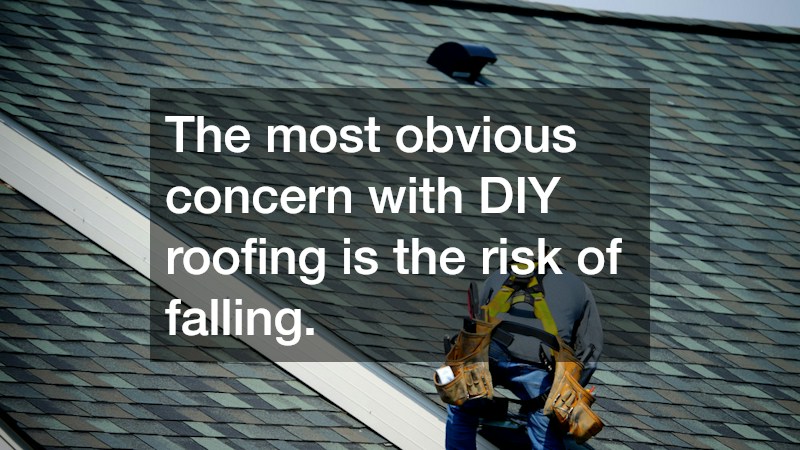
The most obvious concern with DIY roofing is the risk of falling.
Roof surfaces can be steep, slippery, uneven, or difficult to navigate. Even experienced workers use ladders, harnesses, anchors, scaffolding, and other safety equipment to reduce risk.
Weather can make the situation even more dangerous. Wind, rain, extreme heat, and morning dew can all affect footing.
Homeowners who are not accustomed to working at height may underestimate how difficult it can be to carry tools and materials while maintaining balance.
A professional roof installation crew is typically trained to work in these conditions and use appropriate safety procedures.
Proper Roof Preparation Is Essential
Installing new shingles is only one part of the job.
Before roofing materials are applied, the existing roof may need to be removed. Contractors then inspect the roof deck for rot, moisture damage, soft spots, and other structural issues.
Damaged decking should generally be replaced before the new roof is installed.
Skipping this step can create problems later because new shingles may be fastened to weakened wood. Hidden damage can also continue spreading underneath the finished roof.
Professional roofers know what to look for during tear-off and preparation.
Underlayment Must Be Installed Correctly
The underlayment provides an additional layer of protection beneath the visible roofing material.
It helps protect the roof deck if water gets underneath shingles and can provide temporary protection during installation.
Different parts of the roof may require different materials or installation methods. Roof valleys, eaves, penetrations, and other vulnerable areas often need additional attention.
Improper underlayment placement can create pathways for water to enter the home.
A successful roof installation depends on these hidden layers just as much as the shingles visible from the ground.
Shingle Alignment Requires Precision
Shingles need to be installed in straight, properly overlapping rows.
Poor alignment can affect both appearance and performance. If shingles are positioned incorrectly, water may be more likely to reach vulnerable areas.
Professional roofers often use chalk lines and established layout methods to maintain consistency across the roof.
They also plan the installation to reduce unnecessary cuts and material waste.
A homeowner working without experience may find it difficult to keep rows aligned across large or complex roof sections.
Fastener Placement Matters
Roofing nails are not simply driven anywhere into a shingle.
Manufacturers typically specify where fasteners should be placed, how many should be used, and how deeply they should be driven.
Nails installed too high, too low, crooked, or too deeply can affect shingle performance.
Improper fastening may also reduce resistance to high winds.
Professional contractors performing a roof installation are generally familiar with product-specific fastening requirements and can maintain consistent placement across thousands of shingles.
Flashing Can Be Difficult to Install
Flashing is used around areas where the roofing system meets walls, chimneys, skylights, vents, and other penetrations.
These locations are common sources of leaks because water can collect or flow toward openings.
Flashing must be shaped, positioned, overlapped, and sealed correctly.
A roof can look perfectly acceptable from the outside and still leak if the flashing underneath was installed improperly.
This is one of the areas where professional experience can be particularly valuable.
Roof Valleys Require Extra Attention
Roof valleys form where two roof slopes meet.
Because water from multiple sections of the roof flows into these areas, valleys experience significant water movement during storms.
Installation mistakes in a valley can result in leaks even when the rest of the roof is performing correctly.
Professionals may use specific flashing systems, membranes, or shingle patterns depending on the roof design and material.
Complex roof shapes make DIY installation especially challenging.
Ventilation Should Not Be Overlooked
A roof is connected to the home’s attic ventilation system.
Intake and exhaust vents help manage heat and moisture beneath the roof. Improper ventilation can contribute to condensation, excessive attic heat, and premature deterioration of roofing materials.
During a roof installation, contractors may inspect existing ventilation and replace or add components when needed.
A homeowner focusing only on shingles could miss ventilation problems that affect the long-term performance of the roof.
DIY Work May Affect Warranties
Roofing products often include manufacturer warranties, but those warranties may have specific installation requirements.
Improper installation could potentially affect coverage.
Some enhanced warranties may also require installation by contractors who meet certain manufacturer qualifications.
Homeowners considering DIY work should carefully review all product documentation before starting.
Saving money on labor may be less valuable if installation errors create future repairs or warranty complications.
The Project Can Take Longer Than Expected
Professional roofing crews work efficiently because multiple people handle different parts of the project at the same time.
One crew member may remove old shingles while others move debris, prepare materials, or begin installation elsewhere.
A homeowner working alone or with a few helpers may need significantly more time.
This creates another risk: weather exposure.
If the roof remains partially open and rain arrives unexpectedly, water can enter the home. Professionals generally plan projects carefully and have procedures for protecting exposed areas when conditions change.
Cleanup Is a Major Part of the Job
Roof replacement creates a large amount of debris.
Old shingles, nails, underlayment, flashing, packaging, and damaged decking all need to be removed from the property.
Homeowners also need to protect landscaping, vehicles, siding, and outdoor equipment during tear-off.
Professional crews typically use dumpsters, tarps, magnetic nail collection tools, and organized cleanup procedures.
The amount of waste involved can surprise homeowners attempting their first DIY roof.
Some Minor Roofing Tasks May Be More Manageable
Not every roofing-related task requires a full installation crew.
Certain homeowners may feel comfortable cleaning gutters, visually inspecting the roof from the ground, or performing very minor maintenance where safe.
However, anything involving significant roof access, structural repairs, flashing, or large-scale material replacement deserves careful consideration.
Even a relatively small repair can become dangerous when it requires working near roof edges or steep slopes.
Professional Installation Can Reduce Risk
Hiring a roofing contractor increases labor costs, but it also brings experience, equipment, efficiency, and knowledge of installation requirements.
Professionals can evaluate decking, install underlayment, handle flashing, align shingles, and complete ventilation work while following established procedures.
They are also better prepared to respond when unexpected problems appear during the project.
A professionally completed roof installation can provide homeowners with greater confidence that the entire roofing system was addressed rather than just the visible shingles.
Consider the Risks Before Going DIY
Roofing is one of the home improvement projects where mistakes can have expensive consequences.
Improper installation can lead to leaks, damaged decking, mold, insulation problems, and interior water damage. The personal safety risks are also significant.
Homeowners with professional roofing experience may be comfortable handling certain projects, but most people are better served by hiring trained contractors for a complete roof installation.
Before deciding to DIY, consider the complexity of the roof, safety requirements, warranty implications, required tools, and potential cost of fixing mistakes. In many cases, professional installation provides the safer and more reliable path to a roof designed to protect the home for years.