
Owning a home is more than just having a roof over your head, it’s a responsibility to maintain a safe, comfortable, and efficient living environment. While aesthetics and décor are often the first things homeowners think about, the real backbone of a well-functioning home lies in its systems and structures. Neglecting these can result in costly repairs, unexpected emergencies, and decreased property value.
From the roof over your head to the systems that keep your air fresh and water flowing, a proactive approach to home maintenance ensures long-term reliability and comfort. Regular upkeep of key areas prevents small problems from escalating, reduces energy consumption, and creates a living space that is both enjoyable and secure. This guide outlines essential services homeowners should prioritize, offering practical tips for maintenance, upgrades, and preventive care.
Strengthening Your Home’s Exterior: Protection Against Weather and Wear
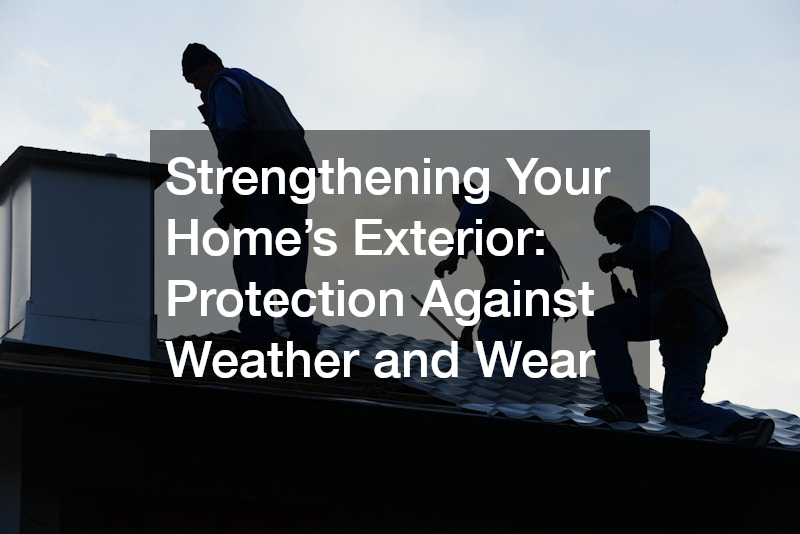
A home’s exterior is constantly exposed to the elements, from rain and snow to scorching sun and strong winds. These environmental factors can gradually wear down materials, compromise structural integrity, and create opportunities for water infiltration, mold growth, and energy loss. Maintaining key exterior components is not just about curb appeal, it’s essential for protecting the home’s foundation, preventing costly repairs, and enhancing energy efficiency. A strong exterior acts as the first line of defense, preserving your home’s longevity and keeping interior living spaces comfortable and safe.
Maintaining Effective Water Drainage Systems
Water management is one of the most critical aspects of exterior home care. Without a proper drainage system, even minor rainfall can cause significant damage over time. Overflowing gutters or improperly directed downspouts can lead to soil erosion, basement flooding, foundation cracks, and even landscape damage.
Actionable tips for maintaining effective water drainage:
-
Inspect gutters at least twice a year: Check for clogs, leaks, rust, or sagging sections that might impede water flow. Pay attention to areas where the gutter connects to the downspout or the roofline, as these are common weak points.
-
Regular gutter cleaning services: Remove leaves, twigs, and debris before and after the rainy season. For added convenience, consider installing gutter guards to minimize debris accumulation.
-
Ensure proper downspout placement: Downspouts should direct water at least 5–10 feet away from the foundation. Consider extensions or splash blocks to prevent pooling around the home’s base.
-
Schedule professional gutter installation when necessary: Older or poorly installed systems may not handle heavy rainfall effectively. A professional installation ensures proper slope, secure fastenings, and long-term durability.
-
Consider grading and landscaping adjustments: Ensure the surrounding soil slopes away from the foundation to further reduce water intrusion risks.
By taking these steps, homeowners can prevent extensive water damage, protect landscaping, and maintain the structural integrity of their property. Proper drainage also helps avoid costly emergency repairs and keeps the home environment dry and safe.
Enhancing Structural Integrity Through Siding Updates
Siding serves as both a protective barrier and an aesthetic element, shielding your home from moisture, pests, and extreme temperatures. Neglecting siding maintenance can lead to energy inefficiency, water infiltration, and deterioration of underlying structures.
Actionable strategies for siding care and upgrades:
-
Conduct regular visual inspections: Look for cracks, warping, peeling paint, or discoloration. Even small issues can allow moisture to seep behind the siding, leading to rot or mold growth.
-
Address minor damage promptly: Repairing small cracks or replacing damaged panels early prevents larger, more expensive problems. Use caulking, paint touch-ups, or patch kits as appropriate.
-
Select durable, climate-appropriate materials: Fiber cement, vinyl, and engineered wood offer longevity and resistance to moisture and pests. Consider the local weather patterns when choosing materials to ensure optimal performance.
-
Professional siding installation: For major updates or full replacements, hiring experts ensures proper sealing, alignment, and finishing, reducing the risk of leaks and enhancing long-term durability.
-
Enhance energy efficiency: Some siding options come with built-in insulation, which can reduce heating and cooling costs. Pairing siding upgrades with proper sealing around windows and doors maximizes energy efficiency.
Maintaining and upgrading siding is a cost-effective way to protect the home’s exterior while boosting curb appeal. A well-kept exterior not only improves appearance but also minimizes long-term repair costs.
Keeping Roofs Strong and Leak-Free
The roof is arguably the most important component of a home’s exterior, acting as a shield against rain, snow, wind, and sun. Even minor issues, such as missing shingles or small leaks, can quickly escalate into structural damage, mold growth, and interior water damage if left unaddressed.
Actionable steps to maintain a durable roof:
-
Regular inspections: Check shingles or tiles for missing, cracked, or curling sections. Inspect flashing around chimneys, vents, and skylights for signs of wear or separation.
-
Schedule professional roof replacement when needed: If your roof is showing signs of aging, sagging, or persistent leaks, a full replacement may be more cost-effective than repeated repairs. Professionals can recommend materials suitable for your climate and ensure proper installation.
-
Clear gutters to prevent water accumulation: Clogged gutters can cause water to back up under shingles, leading to rot and leaks. Ensure water is effectively directed away from the roof and foundation.
-
Trim overhanging branches: Limbs that hang over the roof can damage shingles during storms or high winds and contribute to debris accumulation.
-
Check attic ventilation and insulation: Proper ventilation reduces heat buildup in the attic, preventing premature wear on roofing materials. Adequate insulation also helps regulate indoor temperatures, protecting the roof from thermal stress.
-
Address minor repairs quickly: Fixing small leaks, replacing a few shingles, or resealing flashing promptly can prevent larger structural issues down the line.
A proactive approach to roof maintenance ensures that your home remains dry, secure, and energy-efficient. By regularly inspecting, cleaning, and addressing issues early, homeowners protect both their investment and the comfort of those living inside. A strong exterior is essential for preserving your home’s structural integrity, enhancing energy efficiency, and protecting against the elements. By focusing on effective water drainage, maintaining siding, and keeping roofs in top condition, homeowners can prevent costly damage, extend the lifespan of key systems, and create a safer, more comfortable living environment. Proactive maintenance of these critical exterior components is an investment in long-term home value and peace of mind.
Optimizing Heating and Cooling Systems for Year-Round Comfort
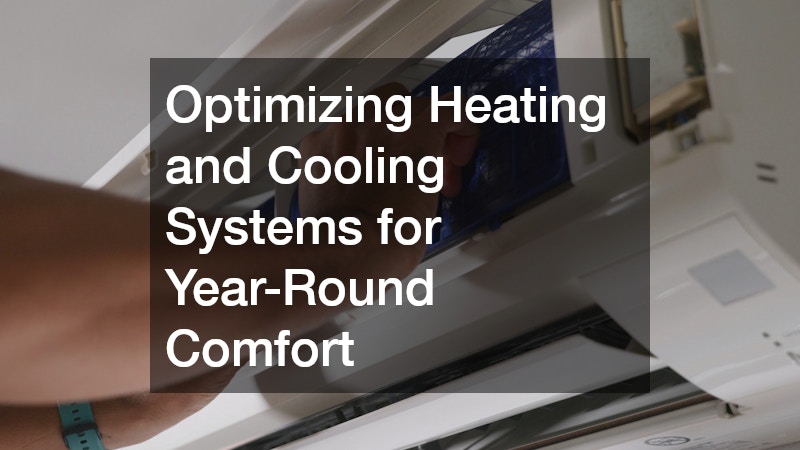
Maintaining indoor comfort relies heavily on well-functioning heating, ventilation, and air conditioning systems. These systems not only provide a pleasant living environment but also influence energy costs and air quality.
Installing Energy-Efficient Cooling Solutions
Modern air conditioning systems can significantly improve home comfort while reducing energy consumption. Upgrading to energy-efficient units offers consistent temperature control and can prevent costly breakdowns during peak summer months.
-
Select a system appropriately sized for your home’s square footage.
-
Schedule professional ac installation to ensure proper placement, refrigerant levels, and airflow.
-
Clean filters and vents regularly to maintain efficiency and indoor air quality.
-
Consider programmable thermostats to optimize cooling without unnecessary energy usage.
By investing in proper installation and maintenance, homeowners can enjoy reliable cooling while lowering utility bills.
Maintaining Reliable HVAC Systems
Beyond cooling, a well-maintained HVAC system ensures comfortable temperatures, proper ventilation, and better indoor air quality year-round.
-
Schedule residential hvac service at least twice a year, ideally in spring and fall.
-
Replace filters every 1–3 months depending on system use and household conditions.
-
Check ductwork for leaks or blockages to improve airflow efficiency.
-
Consider professional inspections to detect potential issues before they become emergencies.
Regular HVAC services and maintenance reduces the risk of unexpected breakdowns and extends the lifespan of your system.
Protecting Your Home’s Water Systems
Water is essential for daily life, but poorly maintained plumbing or heating systems can lead to major disruptions. Ensuring proper installation, routine maintenance, and timely repairs is crucial for safety and efficiency.
Ensuring Safe and Efficient Water Heating
A reliable water heating system provides comfort and convenience while preventing energy waste. Proper installation and periodic maintenance are essential for efficiency and safety.
-
Consult professionals for water heater installation to ensure correct sizing and safe connections.
-
Inspect your water heater for signs of corrosion, leaks, or unusual noises.
-
Consider upgrading to energy-efficient or tankless models for long-term savings.
-
Flush tanks annually to remove sediment buildup that reduces efficiency.
Proper water heater care ensures hot water is always available when needed and prevents costly damage.
Preparing for Unexpected Plumbing Problems
Even with regular maintenance, plumbing emergencies can occur. Being prepared and knowing how to respond can minimize damage and inconvenience.
-
Keep the contact information for reliable emergency plumbing services on hand.
-
Learn how to shut off the main water supply to reduce damage during leaks or pipe bursts.
-
Schedule regular inspections for older plumbing systems to identify weak points.
-
Educate household members on signs of leaks, such as water stains, slow drains, or unusual noises.
Being proactive and prepared ensures that plumbing emergencies are addressed quickly and safely.
Enhancing Outdoor Living Areas and Driveways
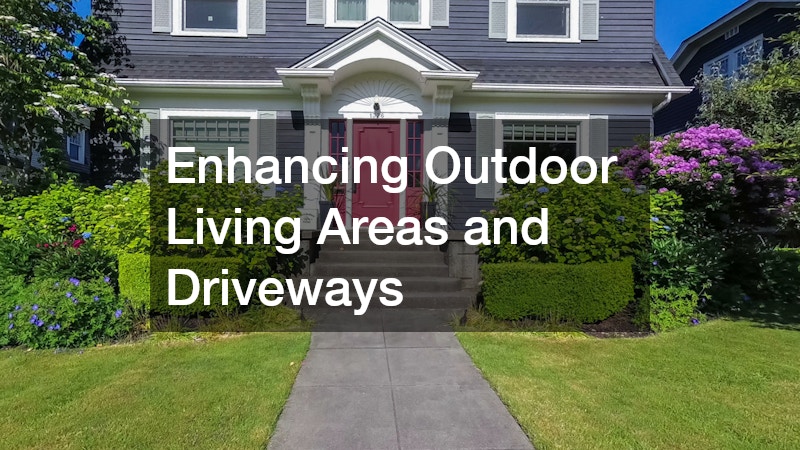
Outdoor spaces contribute to your home’s functionality and aesthetic appeal. Proper installation and maintenance of driveways, walkways, and patios prevent accidents and improve property value.
Building Durable Driveways and Walkways
A strong, well-maintained driveway or pathway improves safety and enhances curb appeal. Asphalt paving is a popular choice due to its durability and relatively low maintenance requirements.
-
Hire professionals for residential asphalt paving to ensure correct leveling and compaction.
-
Seal cracks and perform routine inspections to prevent further deterioration.
-
Remove debris regularly to avoid surface damage and maintain traction.
-
Consider adding drainage solutions to prevent water accumulation and ice formation.
Well-installed and maintained outdoor surfaces ensure lasting usability and reduce the need for costly repairs.
Creating Functional Outdoor Spaces That Last
Outdoor areas such as patios, decks, and walkways can provide additional living space and enjoyment when properly cared for. Some suggested maintenance strategies include:
-
Protect surfaces with weather-resistant sealants or coatings.
-
Inspect wooden elements for rot, splintering, or insect damage.
-
Repair minor cracks or surface damage promptly to prevent escalation.
-
Plan landscaping to divert water away from key structures.
Investing in durable materials and routine upkeep extends the life of outdoor spaces while keeping them safe and functional.
Establishing a Maintenance Schedule for Peace of Mind
A well-organized maintenance routine reduces emergency repairs, extends the life of home systems, and ensures that your property remains safe and efficient.
Seasonal Checklists for Homeowners
Organizing maintenance tasks by season helps homeowners stay on top of necessary upkeep. You can easily stay updated with maintenance by using seasonal checklist, such as:
-
Spring: Inspect roofing, clean gutters, service HVAC systems, check irrigation systems.
-
Summer: Schedule ac installation or servicing, inspect siding, maintain outdoor surfaces.
-
Fall: Prepare heating systems, flush water heaters, seal driveways, clear debris from gutters.
-
Winter: Check insulation, monitor plumbing for freezing risks, service emergency plumbing systems.
Following seasonal routines ensures that potential issues are caught early, preventing costly repairs.
Combining Professional Services with DIY Inspections
While professional services provide expertise, homeowners can contribute by conducting simple inspections.
-
Regularly check for leaks, cracks, or signs of wear in visible systems.
-
Track repairs and maintenance tasks in a log to ensure consistency.
-
Partner with trusted professionals for installations, major repairs, or complex inspections.
-
Balance minor DIY tasks, like filter changes or cleaning, with professional support for optimal results.
This combination of professional and homeowner efforts maximizes efficiency and protects the property over time.
Planning for Long-Term Efficiency and Cost Savings
Investing in durable materials and reliable systems can reduce long-term expenses and prevent emergencies. Planning upgrades before failures occur ensures smooth operations and avoids disruptions.
Upgrading Systems Before Failures Occur
Proactive replacement of aging equipment minimizes downtime and unexpected costs. Some actionable strategies to consider are:
-
Track the age of your HVAC and water systems to anticipate replacements.
-
Consider efficiency ratings when upgrading equipment to save on energy costs.
-
Schedule roof replacement or siding updates before deterioration impacts home safety.
-
Address minor issues in gutters, driveways, and outdoor spaces before they worsen.
Early investments prevent emergencies and maintain home efficiency.
Investing in Quality Materials and Professional Expertise
Choosing high-quality materials and skilled professionals pays off in longevity and performance. Here are some recommendations to consider:
-
Research reputable contractors for installation, repairs, and services.
-
Choose durable, weather-resistant materials for roofing, siding, and outdoor surfaces.
-
Prioritize warranties and service agreements to protect your investment.
-
Educate yourself on basic maintenance to spot issues before they escalate.
This combination of quality materials, professional expertise, and proactive attention ensures the home remains safe, comfortable, and efficient. A well-maintained home is a secure, comfortable, and cost-effective investment. By taking a proactive approach to essential services, from exterior protection and HVAC systems to water management and outdoor surfaces, homeowners can prevent costly emergencies, improve energy efficiency, and enjoy a safe living environment. Establishing a consistent maintenance routine and partnering with trusted professionals ensures that the home remains functional, attractive, and reliable for years to come. Long-term planning, regular upkeep, and timely upgrades are key to preserving both the safety and value of your property.