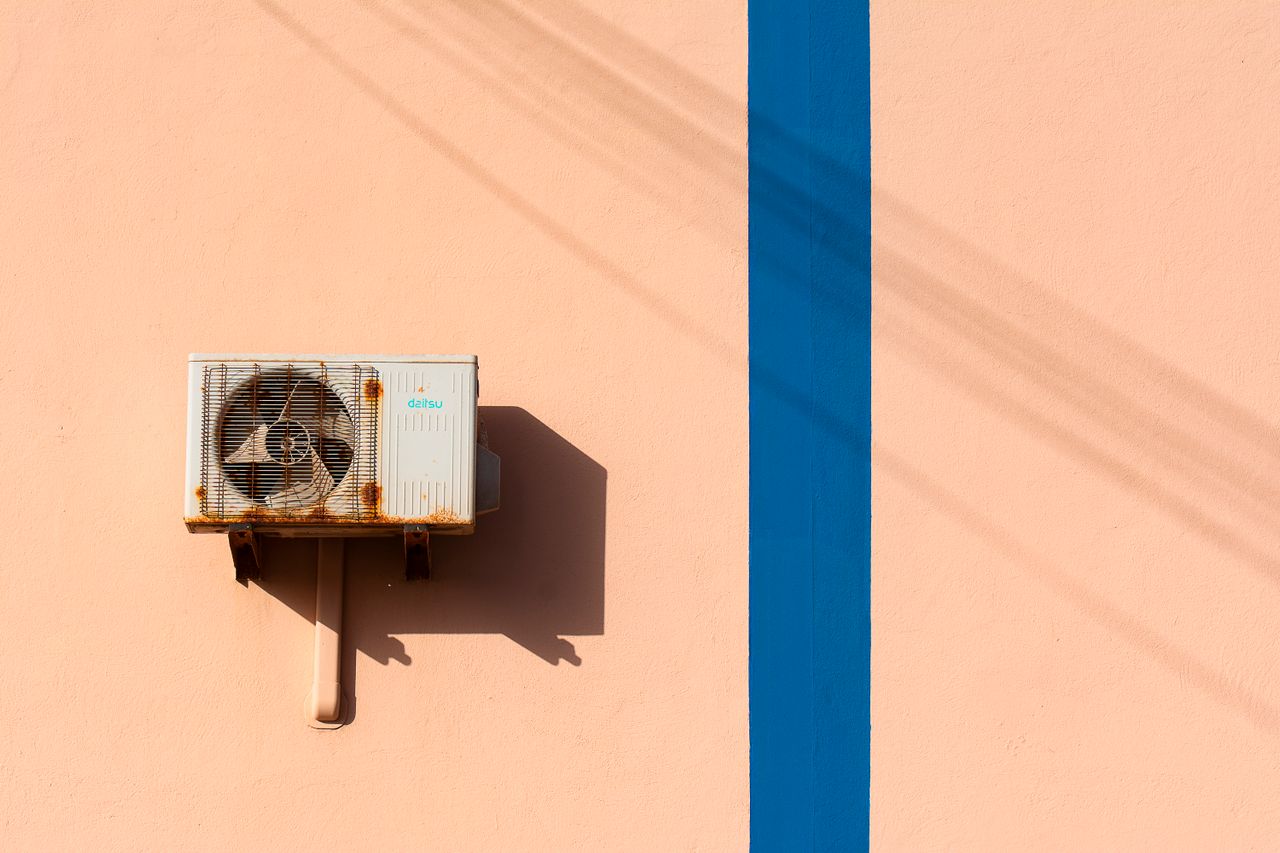

Knowing the signs your AC is dying can save you from two expensive mistakes: replacing a system that only needed a simple repair, or pouring money into one that’s at the end of its life. Here’s what to watch for, and how professionals decide whether your air conditioner can be saved.
When an air conditioner stops cooling your home, it does not always mean the entire system needs to be replaced. Some problems can be repaired relatively easily, while others may indicate that the equipment has reached the end of its useful life. Knowing the difference usually requires a professional inspection.
Experienced ac contractors look at the condition of the entire system rather than making a decision based on one symptom. They consider the age of the unit, repair history, operating performance, component condition, efficiency, and the cost of restoring reliable operation.
Common Signs Your AC Is Dying
No single symptom proves an air conditioner is finished, but several of these together are a strong hint that it may be near the end of its service life:
- Warm or weak airflow even when the system is running and the filter is clean
- Frequent breakdowns, with repair calls becoming a yearly or even seasonal event
- Rising energy bills without any change in how you use the system
- Loud or unusual noises such as grinding, squealing, banging or rattling
- Short cycling, where the unit switches on and off far more often than normal
- Uneven cooling, with some rooms staying much warmer than others
- Leaks or moisture around the indoor unit, or ice on the refrigerant lines
- Age: many central air conditioners last roughly 10–15 years, depending on maintenance and climate
They Start With the Thermostat
One of the first things professionals may check is the thermostat.
A malfunctioning thermostat can make it appear that the air conditioner itself has failed. The technician may verify that the thermostat is set correctly, receiving power, and communicating with the HVAC system.
They may also check whether the thermostat is accurately reading the indoor temperature.
If the problem is limited to the thermostat, replacing or repairing that component may be much less expensive than replacing the air conditioning system.
They Check the Electrical Supply
Air conditioners depend on several electrical components to operate properly. If one of them fails, the entire system may stop running.
Professional ac contractors can inspect breakers, disconnects, wiring, capacitors, contactors, and other electrical components associated with the system.
For example, a failed capacitor may prevent a motor or compressor from starting even though the rest of the air conditioner is still functional.
Electrical testing helps technicians determine whether the system is truly failing or simply experiencing a repairable electrical problem.
They Evaluate the Compressor
The compressor is one of the most important components in an air conditioning system. It circulates refrigerant and plays a central role in the cooling process.
Because compressors can be expensive to replace, a serious compressor failure may influence whether repairing the system makes financial sense.
Technicians may listen for unusual noises, measure electrical readings, inspect operating pressures, and evaluate whether the compressor is starting and running correctly.
If an older system requires a major compressor repair, ac contractors may discuss both repair and replacement options with the homeowner.
They Inspect Refrigerant Levels and Pressures
Refrigerant is essential for transferring heat from inside the home to the outdoors.
An air conditioner that is low on refrigerant may run for long periods without cooling properly. However, refrigerant does not normally disappear during routine operation. Low levels may indicate a leak somewhere in the system.
A technician can evaluate refrigerant pressures and temperatures to determine whether the system is operating as expected.
If there is a refrigerant leak, the professional may need to locate the source and determine whether it can be repaired.
The age of the equipment and type of refrigerant may also affect whether repairing the system is practical.
They Measure Airflow
Poor airflow can make a functioning air conditioner seem ineffective.
Technicians may inspect the air filter, blower motor, evaporator coil, ductwork, and supply and return vents. A severely clogged filter or dirty coil can restrict airflow and reduce cooling performance.
Damaged or disconnected ductwork can also allow conditioned air to escape before it reaches the rooms in your home.
Professional ac contractors evaluate airflow alongside the mechanical components because an airflow problem can sometimes mimic a failing AC system.
They Look for Frozen Coils
Ice on an evaporator coil is another sign that something is wrong, but it does not automatically mean the air conditioner is dead.
Frozen coils can result from restricted airflow, refrigerant problems, dirty components, or mechanical issues.
A technician may allow the system to thaw before testing it further. Operating an air conditioner while the coil remains frozen can make diagnosis more difficult and may place additional strain on the system.
Once the ice is gone, the professional can inspect the equipment and determine what caused the freezing.
They Consider the Age of the System
Age is an important factor when deciding whether an air conditioner should be repaired or replaced.
Older systems may still be repairable, but they can become more prone to component failures over time. If a major repair is needed on equipment that has already experienced several problems, replacement may provide better long-term value.
Professional ac contractors often consider age alongside repair cost rather than using age alone to determine whether a system is finished.
A well-maintained older unit with a small problem may still make sense to repair. A system with major component damage and a history of repeated breakdowns may be a different situation.
They Review Previous Repair Problems
Repair history can reveal whether an air conditioner is experiencing an isolated failure or a pattern of declining reliability.
If the system has required frequent repairs over the past few seasons, another expensive failure may indicate that replacing the equipment is worth considering.
Repeated problems can also increase the total amount a homeowner spends while still being left with an aging system.
When evaluating the options, ac contractors may compare the estimated repair expense with the potential cost and benefits of installing new equipment.
They Test Cooling Performance
A professional may also test how effectively the system is actually cooling the home.
This can involve measuring temperatures at different points in the HVAC system and comparing the air entering the equipment with the conditioned air leaving it.
These readings can help reveal problems involving refrigerant, airflow, heat transfer, or equipment performance.
If the system runs continuously but produces very little cooling despite otherwise normal conditions, the technician can use testing to narrow down the source of the problem.
They Inspect the Indoor and Outdoor Units
An air conditioning system includes multiple components that must work together.
Professionals typically inspect both the indoor and outdoor equipment. They may examine coils, motors, fans, electrical connections, drain systems, refrigerant lines, and other components.
Visible damage, corrosion, leaks, overheating, or excessive wear can provide clues about the overall condition of the system.
A thorough inspection helps ac contractors avoid recommending replacement when a repair could reasonably restore operation.
They Compare Repair Costs With Replacement
Ultimately, determining whether an AC is “dead” is not always about whether the equipment can technically be repaired. In some cases, almost any mechanical problem could potentially be fixed, but the repair may not be financially practical.
Homeowners should consider repair cost, system age, efficiency, reliability, warranty coverage, and expected future maintenance.
If a major repair costs a significant amount and the equipment is already near the end of its expected service life, replacing the system may make more sense.
Quick Checks Before You Call a Technician
Some cooling problems have simple causes you can rule out safely yourself:
- Make sure the thermostat is set to “cool” and a few degrees below the room temperature, and replace its batteries if it uses them.
- Check the air filter and replace it if it’s dirty.
- Check the breaker panel for a tripped AC breaker. If it trips again after one reset, leave it off and call a professional.
- Make sure the outdoor unit is clear of leaves, grass and debris, and that supply vents inside aren’t blocked.
Never open the outdoor unit’s electrical panel or handle refrigerant yourself. Capacitors can hold a dangerous charge even when the power is off.
Repair or Replace? A Simple Rule of Thumb
Some technicians use a quick guideline: multiply the age of the unit in years by the repair cost. If the result is more than about $5,000, replacement is often worth considering. For example, a 12-year-old system needing a $600 repair gives 7,200, which points toward replacement. It’s only a rough guide, though. Efficiency, warranty coverage, refrigerant type and how well the system has been maintained all matter too, so use it to start the conversation with your technician, not to end it.
Get a Professional Diagnosis Before Replacing Your AC
A broken air conditioner can be frustrating, especially during hot weather, but homeowners should avoid assuming that a system needs immediate replacement.
Problems involving thermostats, capacitors, airflow, electrical connections, refrigerant, or dirty components may be repairable.
Qualified ac contractors use diagnostic testing and a complete system inspection to determine what has failed and whether repair is practical. By considering the condition, age, performance, and repair history of the equipment, professionals can help homeowners make an informed decision between fixing the existing system and investing in a replacement.

Spotting the signs your AC is dying early gives you time to plan instead of scrambling during a heatwave. Regular filter changes and annual servicing go a long way. If you’ve recently bought your home, our guide to home maintenance tips for new homeowners covers how to look after your air conditioning, roof, electrical panel and more through your first year.