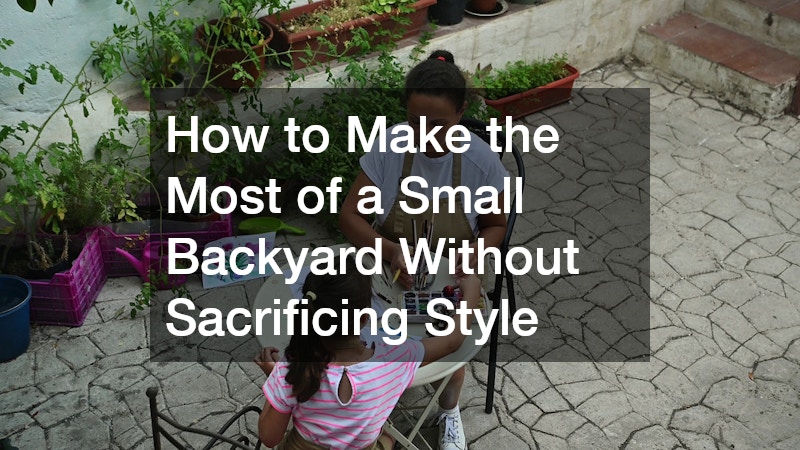

A small backyard doesn’t have to feel limiting or cramped. With thoughtful planning, strategic design, and clever use of space, even the tiniest outdoor area can become a stylish retreat for relaxation, entertaining, and gardening. Maximizing the potential of your backyard involves balancing functionality with aesthetics, making the space feel larger while reflecting your personal style. From the layout and plant selection to materials and decorative elements, there are countless ways to transform a small outdoor area into a beautiful and usable space.
The key is to focus on multipurpose elements, vertical solutions, and clever design tricks that make the most of what you have. By implementing smart techniques, you can ensure that every square foot of your backyard contributes to both utility and beauty. In this article, we’ll explore actionable tips to help you make the most of a small backyard without compromising style, ensuring every corner is functional and visually appealing.
Maximize Space With Smart Layouts
One of the first steps in designing a small backyard is rethinking the layout. You want to create distinct zones that allow for different activities—dining, lounging, gardening—without feeling crowded. Start by measuring your space accurately and creating a scaled diagram of the backyard. This will help you plan paths, seating areas, and green zones efficiently. Consider using furniture that can be moved or folded when not in use to keep the area flexible. Multi-functional furniture, such as benches with storage, can also help reduce clutter while offering seating.
In addition to measuring the space, consider visual tricks to make the area feel larger:
-
Use diagonal or curved pathways instead of straight ones to create a sense of depth.
-
Keep furniture and planters proportional to the space; oversized items can make it feel cramped.
-
Use mirrors or reflective surfaces against fences to create an illusion of more space.
Vertical space is another essential consideration in small backyard layouts. Installing trellises, wall planters, or even a vertical herb garden can add greenery without taking up valuable ground space. Vertical shelving for plants or decorative items can also double as a focal point, adding height and visual interest. Consulting with local landscapers can provide tailored advice on the best layout for your specific backyard shape, sunlight exposure, and access points. By thinking in three dimensions, you can give your backyard the feeling of openness even in a small footprint.
Create Visual Interest With Plant Selection
Plants are central to making any backyard feel alive and inviting, but in small spaces, selection matters. Focus on plants that provide both vertical and horizontal interest without overwhelming the area. Tall, narrow plants like bamboo or columnar evergreens can create privacy and structure without taking up too much room. Mixing in flowering shrubs and perennials adds color and texture while keeping the scale appropriate for the space.
Container gardening is another excellent strategy. Using hanging baskets, tiered planters, and small pots allows you to add greenery in corners or along fences without crowding the ground. This approach also makes it easier to rotate seasonal plants or herbs for fresh aesthetics throughout the year.
To further enhance a small garden, consider:
-
Succession planting: Plant flowers and vegetables in staggered cycles to ensure blooms and harvests throughout the season.
-
Color coordination: Use complementary colors to make small areas appear larger and more cohesive.
-
Layered planting: Place taller plants in the back and shorter ones in the front to create depth and visual interest.
Consulting with a landscaping company can also help identify plants that thrive in your local climate, soil conditions, and sunlight exposure. With careful planning, even a tiny backyard can feel lush, well-curated, and inviting.
Enhance Functionality With Outdoor Seating
Comfortable seating is essential for making a backyard usable, but in a small space, oversized furniture can quickly become cumbersome. Opt for compact, modular seating that can be rearranged depending on your needs. Foldable chairs, bench seating with cushions, or built-in corner benches are excellent space-saving options. Consider incorporating seating into other elements, such as planter boxes or retaining walls, to maximize efficiency.
Lighting can also enhance the usability of small outdoor areas after dark. Solar-powered lights, string lights, or lanterns create a warm ambiance without taking up floor space. For a cozy touch, you might even integrate electric fireplaces into seating areas, offering both warmth and a stylish focal point.
Additional tips for seating arrangements include:
-
Multi-level seating: Use raised platforms or steps as casual seating for guests.
-
Built-in storage: Benches with hidden compartments keep cushions and garden tools organized.
-
Portable furniture: Lightweight chairs and foldable tables allow flexibility for entertaining or changing layouts.
Proper lighting combined with flexible seating makes a small backyard feel functional, inviting, and stylish, perfect for entertaining or quiet evenings. Thoughtful seating design allows you to enjoy every inch of your backyard while maintaining visual harmony.

Integrate Multi-Functional Surfaces
Surfaces in a small backyard should serve multiple purposes whenever possible. For example, a patio or deck can function as both a dining area and an outdoor workspace. Using versatile materials like composite decking or concrete can help you achieve durability without sacrificing style. Modular or foldable tables and chairs allow you to convert areas for different uses quickly.
Storage integration is a powerful way to maintain a clutter-free backyard. Raised garden beds can double as seating areas, shelves can display plants while holding garden tools, and storage benches can hide cushions and outdoor equipment. These strategies maximize functionality without compromising design.
When planning hardscaping surfaces, consulting a concrete contractor ensures that your patios, walkways, or retaining walls are built to last. A contractor can recommend finishes, textures, and colors that complement your backyard’s style while maintaining durability. Additional ideas include:
-
Convertible furniture surfaces: Tables with fold-out sections for larger gatherings.
-
Integrated planters: Add greenery directly into hardscape structures for a seamless look.
-
Multi-use decks: Include steps, seating, and storage in a single structure to save space.
Thoughtful integration of surfaces allows small backyards to remain functional, visually appealing, and versatile.
Use Textures and Materials to Add Depth
Texture and materials are powerful tools in small backyard design. They create the illusion of depth, make spaces feel larger, and add character. Consider combining soft elements like cushions and rugs with hard surfaces like stone, concrete, or wood. Layering different textures visually separates zones and keeps the design interesting. For instance, a gravel pathway contrasted with wooden decking or a crushed stone garden bed creates subtle visual cues that guide movement and attention.
Choosing materials that can withstand outdoor conditions ensures longevity. A mix of natural and manufactured elements adds contrast and style. For example, wooden planters paired with metal accents, or stone pathways with soft grass insets, can create a sophisticated yet practical aesthetic.
Some practical uses for materials include:
-
Crushed limestone: Ideal for pathways, drainage, and accent borders.
-
Wood from local lumber supplies: Great for raised beds, trellises, and benches.
-
Textured concrete: Adds durability and visual interest in seating or patio areas.
Using texture intentionally allows a small backyard to feel layered and dynamic without becoming cluttered or busy.
Build Privacy Strategically
Privacy is often a challenge in small backyards, but it’s crucial for creating a comfortable, stylish space. Fences, screens, and tall plants are all effective options. Even a small vertical garden can act as a privacy barrier while enhancing aesthetics. Consider layering materials—such as a low wooden fence with climbing plants—to create depth and softness.
Consulting a fence company can ensure your privacy structures are both functional and attractive. Professionals can recommend materials, styles, and heights appropriate for your property lines, budget, and desired level of privacy.
Additional strategies for privacy include:
-
Lattice panels: Combine with climbing plants for a natural, layered effect.
-
Outdoor curtains: Perfect for small patios, adding softness and flexibility.
-
Tiered greenery: Use shrubs and ornamental grasses of varying heights to create depth and visual separation.
Strategic privacy solutions make a small backyard feel secure, intimate, and stylish, allowing you to enjoy your outdoor space fully.
Maintain Your Lawn and Garden Efficiently
Even small yards require proper care to keep them looking their best. A manageable lawn size makes it easier to maintain, but choosing the right type of grass and garden layout is essential. Opt for drought-resistant grasses or artificial turf in extremely small spaces to reduce maintenance. Regular trimming and feeding keep lawns healthy and visually appealing.
For more extensive guidance, a lawn care service can help establish a routine for fertilizing, mowing, and pest control, ensuring that plants and grass thrive with minimal effort. Incorporating low-maintenance perennials, native plants, and mulched garden beds further reduces upkeep while keeping the backyard vibrant.
Other tips for efficient garden care include:
-
Mulching: Retains moisture and reduces weed growth.
-
Companion planting: Maximizes space and promotes healthy plant growth.
-
Automated irrigation: Saves water and ensures consistent watering for small gardens.
With proper planning, maintenance, and professional support, even a tiny backyard can remain lush, organized, and visually appealing year-round.
Incorporate Hardscape Features Thoughtfully
Hardscaping—like pathways, patios, and retaining walls—adds structure and functionality to small yards. Using crushed stone or gravel paths can make spaces appear larger while providing easy access. Curved or diagonal pathways guide the eye, creating a sense of depth and flow. For seating areas, concrete or stone patios offer durability and a polished look that complements greenery.
Hiring a landscaping company ensures your hardscape is designed to fit your space and lifestyle. They can advise on slope, drainage, material selection, and long-term maintenance, preventing costly mistakes.
Ideas for effective hardscaping include:
-
Tiered patios: Create levels to separate seating and dining areas.
-
Stone borders: Define garden beds while adding visual appeal.
-
Integrated lighting: Pathway lights and accent lights enhance safety and atmosphere.
Thoughtful hardscape features enhance both aesthetics and usability, turning small backyards into functional, stylish retreats.
Safely Manage Trees and Large Plants
Even in a small backyard, trees and large shrubs provide shade, structure, and beauty. However, they require careful management to prevent overcrowding or damage. Regular pruning encourages healthy growth and prevents branches from overwhelming your space. Choosing dwarf or columnar varieties is an effective strategy for keeping trees proportional to small yards.
For more complex tasks like removing large trees or handling roots near foundations, a tree removal service ensures safety. Professionals can safely remove or relocate problematic trees and help you select replacements suited to your space.
Additional tree and shrub strategies:
-
Crown thinning: Reduces the weight of trees and increases sunlight penetration.
-
Root barriers: Protect foundations and patios from invasive roots.
-
Seasonal pruning: Keeps plants healthy and attractive year-round.
Properly managed trees create height, shade, and privacy without compromising the style or functionality of your small backyard.
Refresh Your Outdoor Aesthetics With Finishing Touches
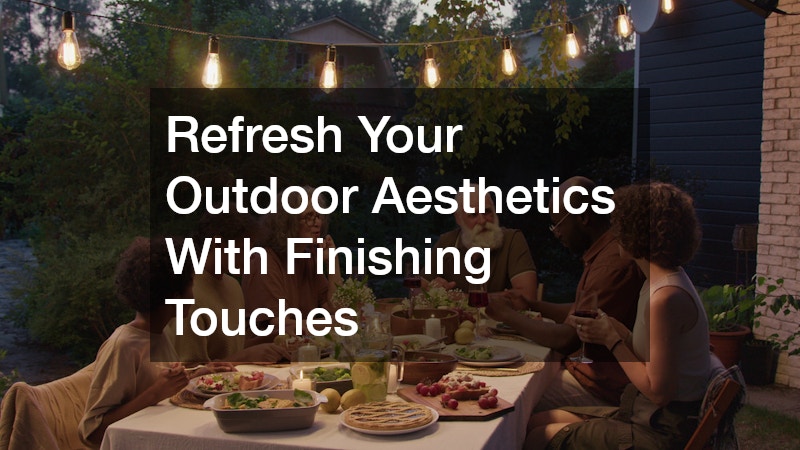
Small backyards benefit from thoughtful finishing touches that enhance style and comfort. Painting or staining fences, trellises, or garden furniture can instantly refresh the space. Using color strategically can make the area feel larger or more inviting. Even small decorative accents, like colorful cushions or compact sculptures, can make a big impact on the overall look and feel of the space. Incorporating elements like planters, outdoor rugs, and lighting adds personality and visual appeal.
Hiring an exterior house painter ensures any painted surfaces look professional and last longer, adding value to your home and garden. You can also use subtle décor elements to enhance the space without clutter:
-
Decorative stones or crushed limestone for pathways or accents.
-
Small water features to add movement and sound.
-
Weather-resistant art for personality without overwhelming the space.
These finishing touches complete the design, ensuring your small backyard is stylish, functional, and uniquely yours. They allow you to create a cohesive, inviting environment even with limited space.
A small backyard doesn’t mean sacrificing style or comfort. With smart planning, thoughtful plant selection, flexible furniture, and well-chosen materials, even a limited outdoor space can be transformed into a beautiful, functional retreat. Focusing on vertical elements, multi-purpose surfaces, privacy solutions, and finishing touches maximizes the potential of every square foot. By combining creativity with strategic design, your small backyard can become a welcoming oasis that reflects your personal style, encourages outdoor living, and elevates your home.