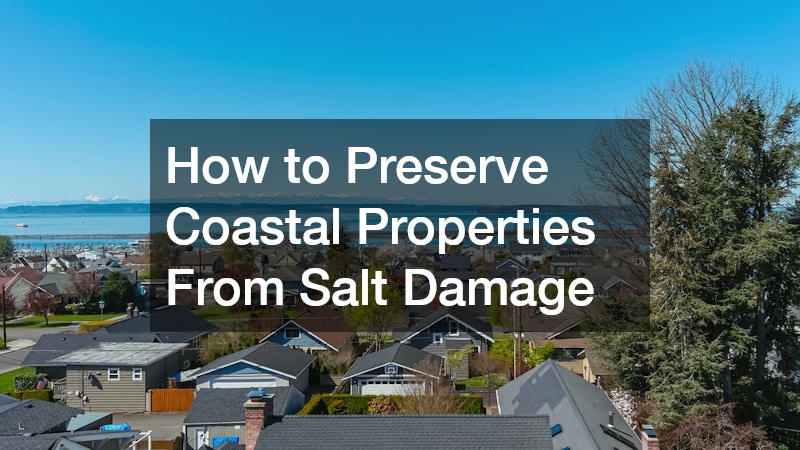

Living near the coast means trading city noise for salty breezes and ocean views, but that same air is quietly working against your property every single day. Salt particles carried on wind and moisture settle into every crack, joint, and metal surface, accelerating rust, decay, and structural wear far faster than inland homes experience. Understanding where salt damage starts and how to stop it early can save you thousands of dollars in repairs and protect your home’s long-term value. This guide breaks down the most vulnerable parts of a coastal property and what you can do to keep them protected.
How Salt Air Slowly Breaks Down Building Materials
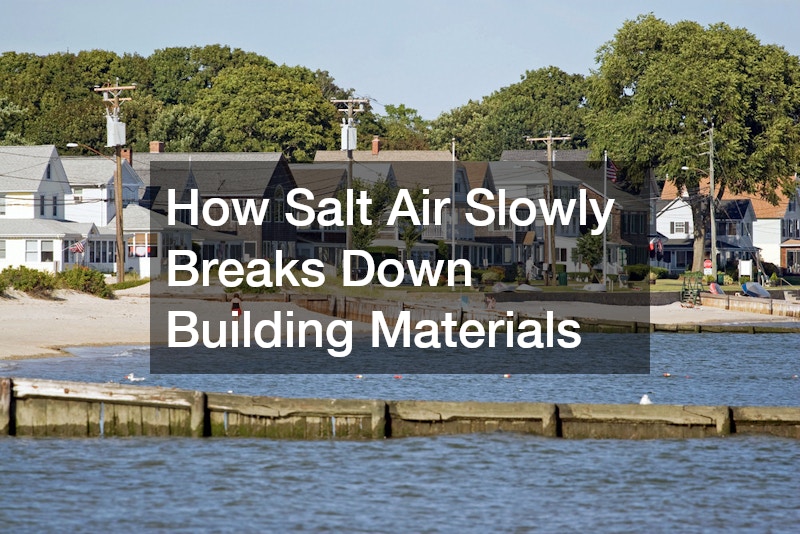
Salt is hygroscopic, meaning it pulls moisture from the air and holds onto surfaces longer than plain water would. This constant moisture cycle causes metal to oxidize faster, wood to swell and rot, and concrete to crack as embedded salts expand and contract with temperature changes. Steel rebar inside concrete is especially at risk, since rust can expand up to seven times the metal’s original volume, cracking the surrounding concrete from the inside out.
Unprotected fasteners, railings, and HVAC units can show visible corrosion within just a few years in high-salinity environments, compared to decades further inland. Untreated wood siding or trim absorbs salt-laden moisture into its fibers, leading to warping, soft spots, and mold growth long before rot becomes visible on the surface.
Homes located within a mile of the shoreline are especially vulnerable because prevailing winds carry fine salt spray directly onto exterior walls, windows, and rooftops. Properties on elevated lots or facing directly into prevailing coastal winds often experience even heavier salt deposition, requiring more frequent rinsing and inspection than homes just a few streets back.
Understanding this process helps homeowners recognize why routine maintenance matters more on the coast than almost anywhere else. Salt particles carried by ocean air settle into microscopic pores and seams, then draw in moisture through a process called hygroscopicity, keeping surfaces damp long after a storm has passed. This constant dampness accelerates oxidation in metal fasteners, hinges, and rebar, while also breaking down the mineral bonds in concrete, stucco, and mortar.
A small rust spot or hairline crack today can become a costly structural issue within just a year or two if left unaddressed. For example, a quarter-inch crack in exterior stucco can widen enough to expose underlying wood framing within 18 to 24 months in a high-salinity environment, inviting rot alongside corrosion. Similarly, a rusted screw holding a deck railing in place can lose most of its structural integrity in as little as three years if it’s within a mile of the shoreline.
Regular rinsing of exterior surfaces with fresh water and prompt attention to visible wear are simple habits that make a measurable difference. Aim to hose down windows, railings, and siding every four to six weeks, and more often after periods of heavy wind or storm surge. Homeowners should also schedule a close visual inspection twice a year—checking fastener heads, caulking lines, and paint finishes—since catching corrosion or cracking early often means the difference between a simple touch-up and a full repair.
Protecting the Roof From Corrosion and Wind Damage
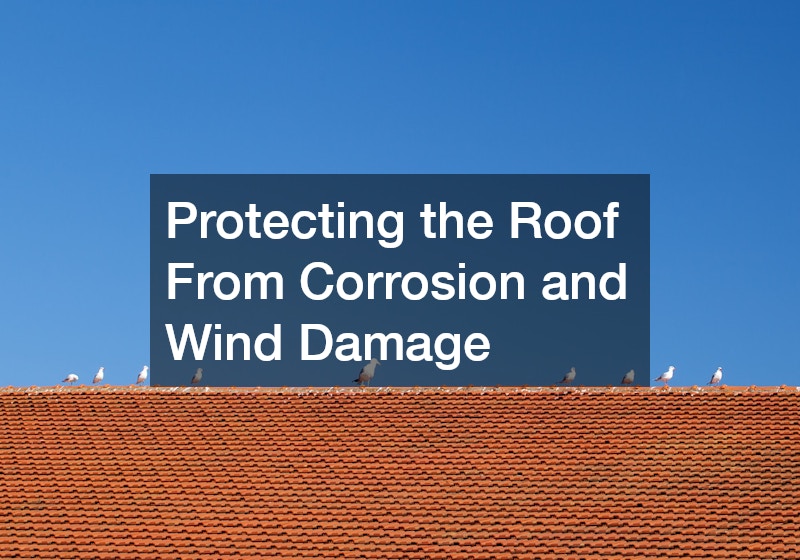
Roofs bear the brunt of coastal weather, absorbing salt spray, humidity, and high winds all at once. Metal fasteners and flashing are particularly prone to corrosion, which can lead to leaks that go unnoticed until they cause interior damage. Standard galvanized nails and screws often fail within a few years near the shore, so many homeowners upgrade to stainless steel or hot-dip galvanized fasteners rated for marine exposure.
Roofing materials matter just as much as the hardware holding them together. Architectural asphalt shingles rated for high wind uplift, standing-seam metal roofing with marine-grade coatings, and concrete or clay tiles all tend to outperform basic materials in salt-heavy air. A qualified roofing contractor can also assess whether soffits and ridge vents are properly sealed, since wind-driven salt spray often finds its way into attics through poorly protected openings.
Many homeowners find it worthwhile to schedule biannual inspections with roofing contractors who understand coastal wear patterns and know which materials hold up best in salty environments. These inspections typically focus on flashing around chimneys and vents, sealant integrity, and early signs of rust bleed or granule loss on shingles. Catching these issues early, often before the next storm season, can mean the difference between a minor repair and a full roof replacement.
Choosing the right roofing contractor matters just as much as the material itself, since improper installation can shorten the lifespan of even premium products by years. Salt-laden wind can work its way into poorly sealed flashing or under-fastened shingles within a single storm season, so ask any prospective contractor how many coastal projects they’ve completed and request references from homes within a mile or two of the shoreline. A contractor unfamiliar with salt-air conditions may use standard fasteners or underlayment that corrode far faster than marine-rated alternatives.
Look for professionals experienced in coastal builds who can recommend coated metal panels, marine-grade sealants, or impact-resistant shingles designed to resist salt exposure. Stainless steel or hot-dip galvanized fasteners, for example, resist rust far longer than standard zinc-coated screws, while aluminum or Galvalume panels shed salt spray without pitting. Many coastal building codes also require wind ratings of 130 mph or higher, so confirm that any recommended material and installation method meets or exceeds your local wind-load requirements.
Routine maintenance is just as important as the initial installation. Schedule a professional inspection after major storms and at least once a year to catch loosened shingles, corroded flashing, or clogged gutters before they lead to leaks. A well-maintained roof not only protects your home’s interior but also helps preserve resale value in a competitive coastal market.
- Inspect flashing, fasteners, and nail heads twice a year for rust streaks, pitting, or loose seams, ideally each spring and fall
- Choose corrosion-resistant materials rated for marine environments, such as stainless steel or hot-dip galvanized fasteners and aluminum or coated-steel flashing
- Clean gutters and downspouts regularly to prevent salt, sand, and debris buildup that traps moisture against the roofline
- Address small leaks immediately, since salt-laden moisture spreads fast and can rot insulation, framing, and decking within a single storm season
- Consider a protective sealant or coating on metal roofing every few years to add an extra barrier against airborne salt
- Schedule a professional inspection after major storms to catch wind-lifted shingles or tiles before the next weather event
Shoreline Erosion and Structural Protection
Waves, tides, and storm surge don’t just threaten landscaping, they can undermine the very foundation your home sits on. Erosion control is one of the most important investments a coastal property owner can make, particularly for homes built close to bluffs or beachfront lots. Losing even a few feet of shoreline per year can translate into thousands of dollars in property value and, eventually, an unstable building envelope.
Many communities work with seawall companies to design barriers that reduce wave impact and slow the gradual loss of land beneath and around structures. Options typically range from vertical concrete seawalls and rock revetments to living shorelines that combine vegetation with hardened materials for a more natural buffer. The right choice depends on wave energy in your area, soil composition, and local permitting requirements, so a site assessment is usually the first step.
Beyond the seawall itself, homeowners should consider complementary measures like riprap at the base to dissipate wave energy, proper drainage systems to redirect runoff away from the foundation, and periodic inspections after major storms. Small cracks or gaps in a seawall can widen quickly under repeated wave action, so catching issues early often means the difference between a minor repair and a full rebuild. Working with experienced contractors who understand local tidal patterns and soil conditions can significantly extend the lifespan of these protective structures.
A properly engineered seawall can also help manage groundwater intrusion, which contributes to foundation cracking and mold growth in crawl spaces. Rising or fluctuating water tables push saline moisture upward into slabs and support piers, so effective drainage systems—such as weep holes, French drains, or gravel backfill behind the wall—are just as important as the wall itself.
Before hiring a contractor, homeowners should ask about permitting requirements, since shoreline construction is often regulated at the local, state, and sometimes federal level (particularly near wetlands or protected dunes). Permits can take weeks or months to process, and unpermitted work may result in fines or forced removal. It’s also worth confirming that the contractor carries marine construction experience, not just general foundation or masonry credentials.
Investing in erosion control early is almost always less expensive than repairing a compromised foundation later. A seawall or revetment installation might run several thousand dollars, while underpinning a settled foundation or replacing rotted structural supports can easily reach into the tens of thousands. Routine inspections after major storms can also catch small erosion issues before they escalate into costly structural repairs.
Keeping Cooling Systems Efficient in Humid, Salty Air
Coastal humidity puts extra strain on HVAC systems, especially units with exposed metal coils that corrode quickly when exposed to salty moisture. Many homeowners are switching to mini splits because they offer flexible, room-by-room cooling without the long duct runs that can trap humidity and promote mold growth. These systems also tend to have sealed components that resist salt infiltration better than traditional central air units.
Regular filter changes and coil cleaning are essential regardless of which system you choose, since salt residue can reduce efficiency and shorten equipment lifespan. Scheduling professional maintenance twice a year helps catch corrosion before it leads to costly compressor failure. A well-maintained cooling system not only saves energy but also keeps indoor air quality healthier in humid coastal climates.
Protecting Plumbing and Water Systems From Salt Intrusion
Saltwater intrusion doesn’t just affect the exterior of a home, it can also impact plumbing systems, especially in areas where groundwater has become brackish due to rising sea levels or storm surge. Pipes exposed to corrosive water are more prone to leaks, reduced water pressure, and mineral buildup over time. Metal components like copper and galvanized steel are particularly vulnerable, sometimes developing pinhole leaks within just a few years in high-salinity conditions.
Many coastal homeowners rely on water treatment chemicals to balance pH levels and reduce mineral deposits that accelerate pipe corrosion. Common options include phosphate-based inhibitors, which coat pipe interiors to slow oxidation, and pH neutralizers that counteract the acidity often found in saltwater-contaminated supplies.
Beyond chemical treatments, it’s worth testing water hardness and salinity levels annually to catch problems early. Installing a whole-house filtration or reverse osmosis system can further reduce sediment and salt content before it reaches fixtures, water heaters, and appliances, extending their lifespan considerably.
It’s wise to have a professional plumbing inspection at least once a year to catch early signs of corrosion in fittings, water heaters, and irrigation systems. Salt-laden air and brackish groundwater can corrode copper piping, brass fittings, and galvanized steel far faster than in inland homes, sometimes cutting their expected lifespan by half. Licensed plumbers often check pressure levels, look for pinhole leaks, and test water heater anode rods, since these components tend to deteriorate first in coastal conditions.
Experienced plumbers can recommend filtration or softening systems tailored to the specific water conditions found in coastal regions, such as reverse osmosis units for high chloride content or whole-house softeners to counter mineral buildup from brackish wells. Many coastal homeowners also benefit from installing dielectric unions between dissimilar metals to slow galvanic corrosion, along with PVC or PEX piping in place of traditional metal lines where feasible. Irrigation systems deserve particular attention, as sprinkler heads and valves exposed to salty runoff can seize up or crack within just a few seasons.
Addressing plumbing issues proactively helps avoid emergency repairs that are often more expensive and disruptive, especially during storm season when contractors are in high demand. A small leak caught early might cost a couple hundred dollars to fix, while a neglected one can lead to water damage, mold, and repairs running into the thousands. Scheduling routine maintenance every 12 months, rather than waiting for visible problems, is one of the simplest ways to protect both the plumbing system and the home’s overall value.
- Test water hardness and salinity levels annually using a home test kit or certified lab, checking for chloride levels above 250 ppm
- Install corrosion-resistant piping where possible, such as PEX, copper, or CPVC instead of standard galvanized steel
- Flush water heaters every 6 months to remove sediment and salt buildup that accelerates tank corrosion
- Monitor irrigation systems for signs of saltwater contamination, including white crusting on soil or stunted plant growth
- Inspect exposed pipe fittings and valves for green or white corrosion deposits, especially near crawl spaces
- Consider a whole-house water softener or reverse osmosis system if salinity tests consistently exceed safe thresholds
- Check well water sources twice yearly if located near the coastline, as saltwater intrusion can worsen after storms or high tides
Electrical Safety in Salt-Heavy Environments

Salt air is notoriously hard on electrical systems, causing corrosion in outlets, panels, and exposed wiring connections faster than in inland homes. Corroded connections can lead to flickering lights, tripped breakers, or in more serious cases, electrical fires. Hiring a licensed electrician to inspect outdoor outlets, breaker boxes, and any exposed wiring annually is one of the simplest ways to catch problems before they escalate.
Homeowners should also consider upgrading to marine-grade electrical components, especially for outdoor lighting and appliances near pools or docks. These fixtures are designed with additional sealing and corrosion-resistant coatings that hold up far longer in salty air. A small investment in quality materials now can prevent expensive rewiring projects down the road.
Maintaining Driveways, Walkways, and Outdoor Surfaces
Salt doesn’t just affect a home’s structure, it also eats away at pavement, causing cracks, potholes, and surface deterioration much faster than in non-coastal areas. Freeze-thaw cycles combined with salt exposure can accelerate the breakdown of asphalt surfaces, especially in driveways that see regular water runoff from storms. Scheduling routine asphalt repairs before small cracks widen can extend the life of a driveway by several years.
Sealcoating is another effective way to protect asphalt surfaces from moisture and salt penetration, especially when applied every two to three years. Homeowners should also watch for pooling water near the foundation, as it often signals drainage issues that contribute to both pavement and structural damage. Addressing these small maintenance tasks regularly is far more cost-effective than a full driveway replacement.
Renovating and Rebuilding With Coastal Conditions in Mind
When it’s time to renovate or repair salt-damaged areas of a home, material choice becomes just as important as design. Many homeowners turn to home remodeling companies that specialize in coastal construction, since these professionals understand which woods, metals, and finishes resist corrosion and moisture damage best. Working with experienced teams also ensures that new additions or repairs comply with local building codes designed for high-wind and flood-prone areas.
Beyond material selection, proper ventilation and moisture barriers play a major role in preventing future salt-related issues inside walls and crawl spaces. A knowledgeable contractor can recommend upgrades like impact-resistant windows or elevated foundations that improve resilience against future storms. Thoughtful renovations not only restore a home’s appearance but also strengthen its ability to withstand years of coastal exposure.
Special Considerations for Coastal Businesses and Rental Properties
Commercial buildings and vacation rentals along the coast face many of the same salt-related challenges as private homes, but often on a larger scale due to bigger roofs, larger HVAC systems, and higher foot traffic. Owners of commercial properties should work with a commercial roofing contractor experienced in handling larger surface areas and industrial-grade materials designed for extended durability. These professionals can also advise on preventative maintenance schedules that minimize business disruption.
Regular inspections are especially important for rental properties, since neglected maintenance can lead to guest complaints, safety hazards, or costly emergency repairs during peak season. Investing in durable, corrosion-resistant materials upfront often pays off through reduced long-term maintenance costs. For business owners, protecting the property is directly tied to protecting revenue and reputation.
Final Thoughts
Salt damage is a slow but relentless process, and the best defense is consistent attention paired with the right professional support when issues arise. By staying proactive with inspections, choosing corrosion-resistant materials, and addressing small problems before they grow, coastal homeowners can protect both their investment and their peace of mind. Start by walking your property with a critical eye, noting areas of rust, cracking, or wear, and reach out to trusted local professionals to create a maintenance plan tailored to your home’s specific needs.