
Storms can strike unexpectedly, leaving behind damage that isn’t always easy for homeowners to see. High winds, hail, heavy rain, and falling debris can all compromise your roofing system—even if the issues aren’t immediately visible from the ground. Because your roof is your home’s first line of defense, identifying storm damage early is crucial. If left unaddressed, even minor damage can turn into major leaks, structural problems, and costly repairs. Knowing how to spot these warning signs helps you take action quickly by calling a local roof repair service for a professional evaluation.
Below is a detailed guide on how to tell if your roof has storm damage and what steps you should take next.
Look for Missing or Damaged Shingles
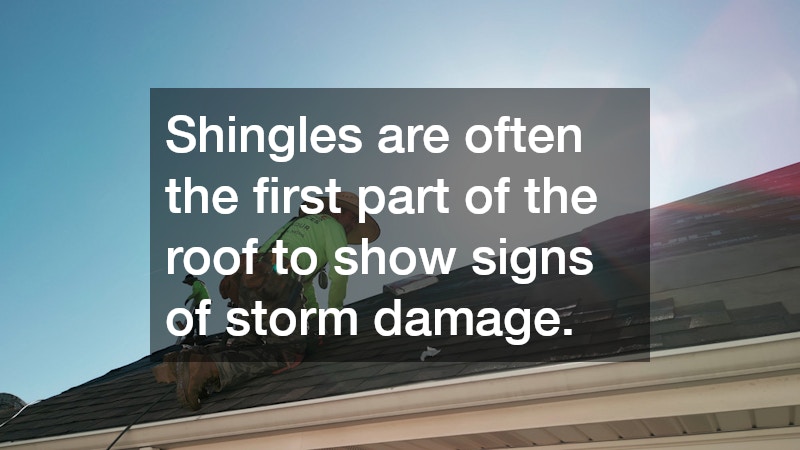
Shingles are often the first part of the roof to show signs of storm damage. Strong winds can lift shingles, break them, or tear them off entirely.
After a storm, walk around your property and look for:
-
Bare patches where shingles are missing
-
Shingles scattered in your yard
-
Cracked, curled, or creased shingles
-
Shingles that appear lifted or not lying flat
Even one missing shingle can allow water to enter your roofing system. If you notice any of these issues, a local roof repair service should inspect your roof to prevent more severe damage.
Check for Granule Loss
Asphalt shingles gradually shed granules over time, but storms—especially hailstorms or heavy wind-driven rain—can accelerate this wear. Look for granules accumulating in:
-
Gutters
-
Downspouts
-
Driveways or sidewalks near roof edges
Granule loss leaves shingles exposed to UV rays and reduces their waterproofing capabilities. If storm runoff washes away a noticeable amount of granules, it’s a sign your roof may have been compromised.
Inspect Flashing Around Vulnerable Areas
Flashing is the metal material placed around chimneys, skylights, vents, and roof valleys to prevent water from entering your home. Storms can loosen, bend, or tear away flashing, making your roof more susceptible to leaks.
Signs of flashing damage include:
-
Metal pieces that appear lifted or bent
-
Gaps where flashing meets the roof
-
Rusted or detached areas
Damaged flashing is a high-priority issue and should be repaired promptly by a roofing professional.
Look for Hail Damage on Shingles and Gutters
Hailstorms can cause substantial roofing damage, even if the hailstones are small. Hail typically leaves behind dents, cracks, and bruises on shingles that can shorten your roof’s lifespan.
Check for:
-
Circular impact marks
-
Shingles with soft, bruised spots
-
Cracked or broken shingle edges
-
Dents in metal gutters or downspouts
If your gutters show dents, your shingles likely sustained damage too. A local roof repair service can perform a thorough inspection and identify hail damage that may not be obvious to the untrained eye.
Evaluate Roof Vents and Other Fixtures
Roof vents, pipe boots, satellite mounts, and attic fans can also take a beating during a storm. Damage to these components can create openings that let water into the roof decking and attic.
Look for:
-
Cracked plastic vents
-
Bent metal vents
-
Damaged or missing vent covers
-
Loose hardware or missing screws
Fixture damage often indicates that wind or debris impacted the roof more forcefully than you may realize.
Check for Debris on the Roof
Storms can deposit branches, leaves, and other debris onto your roof. While debris itself may not cause damage, its impact can. Large branches, in particular, can crack shingles or puncture the roof’s surface.
If you see debris accumulation:
-
Look for indentations beneath it
-
Check for shingle displacement
-
Inspect gutters for overflowing materials
Debris should be removed promptly by professionals to prevent mold, algae growth, or drainage issues.
Inspect Your Attic for Signs of Leaks
Even if your roof looks fine from the outside, damage may be hidden underneath. Your attic is one of the best places to spot early moisture issues.
Check the attic after a storm for:
-
Water stains on rafters or insulation
-
Damp or humid air
-
Light shining through roof boards
-
Musty odors
-
Dripping or puddles during rainfall
Leaks often start small but worsen quickly, so any moisture discovery warrants a call to a local roof repair service.
Look for Interior Water Stains
When roof damage goes unnoticed, it often reveals itself inside the home. Examine ceilings and upper walls for stains, bubbling paint, or discoloration. These are classic signs that water has already infiltrated the roofing system.
Interior damage indicates the issue has progressed, and immediate professional repair is necessary to prevent mold and structural deterioration.
Examine the Roofline for Sagging or Unevenness
Storms that bring heavy rain or snow can cause roofs to sag under pressure, especially if the roof already had weaknesses. Sagging sections are signs of:
-
Waterlogged decking
-
Rot beneath the shingles
-
Structural stress
This type of damage can become dangerous. If you notice sagging, avoid walking on the roof and contact a professional immediately.
Check Your Gutters for Blockages or Damage
Storms can loosen or detach gutters, disrupt proper drainage, and cause water to back up under shingles. Look for:
-
Gutters pulling away from the roofline
-
Cracks or holes
-
Overflowing gutters during rain
-
Downspouts that are clogged or bent
Proper drainage is essential to roof health. Any gutter damage should be addressed along with storm-related roofing issues.
Consider a Professional Inspection After Severe Storms
While some storm damage is obvious, much of it is subtle and may not show signs until weeks or months later. That’s why scheduling a professional inspection after severe weather is one of the best ways to protect your home.
A local roof repair service can:
-
Identify hidden leaks
-
Spot lifted shingles not visible from the ground
-
Check flashing, gutters, and vents
-
Provide documentation for insurance claims
-
Recommend immediate or preventive repairs
This proactive step ensures minor issues don’t turn into major ones.
Storm damage isn’t always easy to detect, but knowing what to look for helps you respond quickly and protect your home. If you notice missing shingles, hail dents, flashing issues, interior stains, or gutter problems after a storm, it’s time to reach out to a trusted local roof repair service. Early intervention prevents costly repairs, safeguards your home’s structure, and ensures your roof remains strong and reliable year after year.