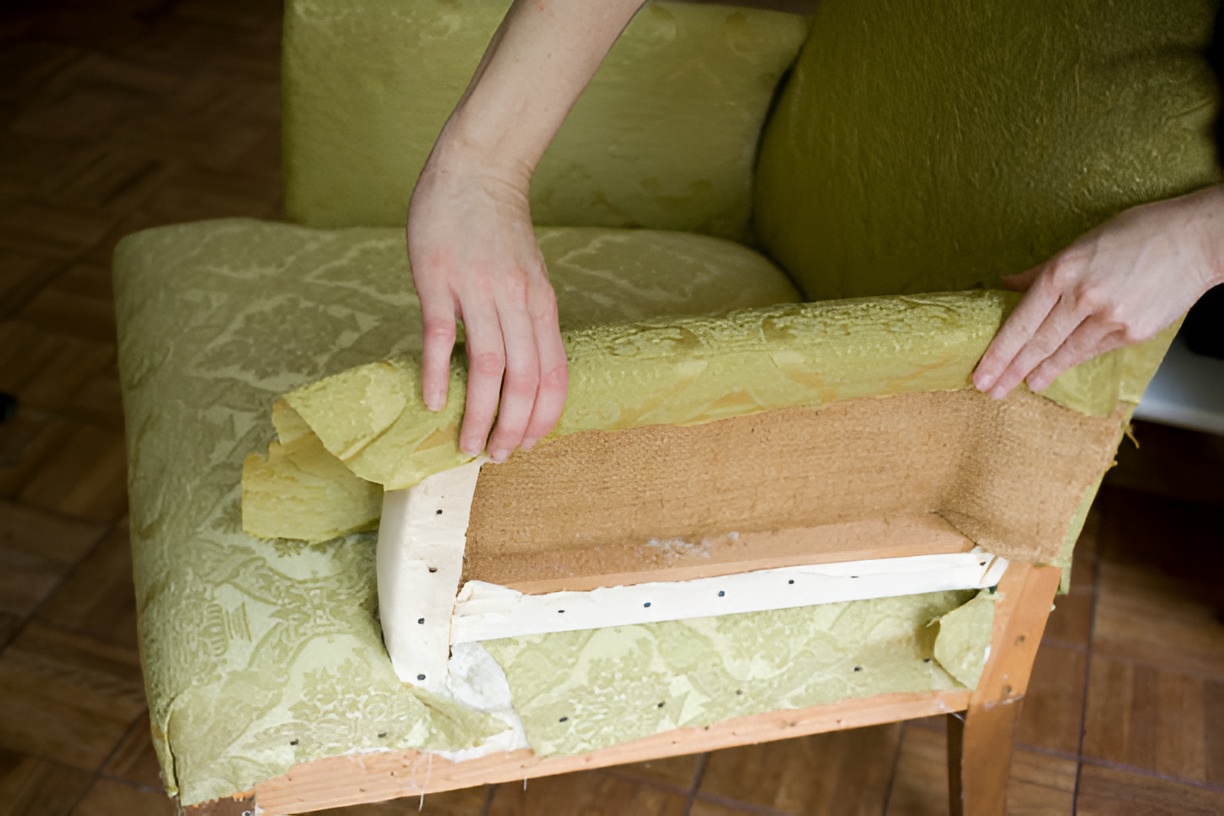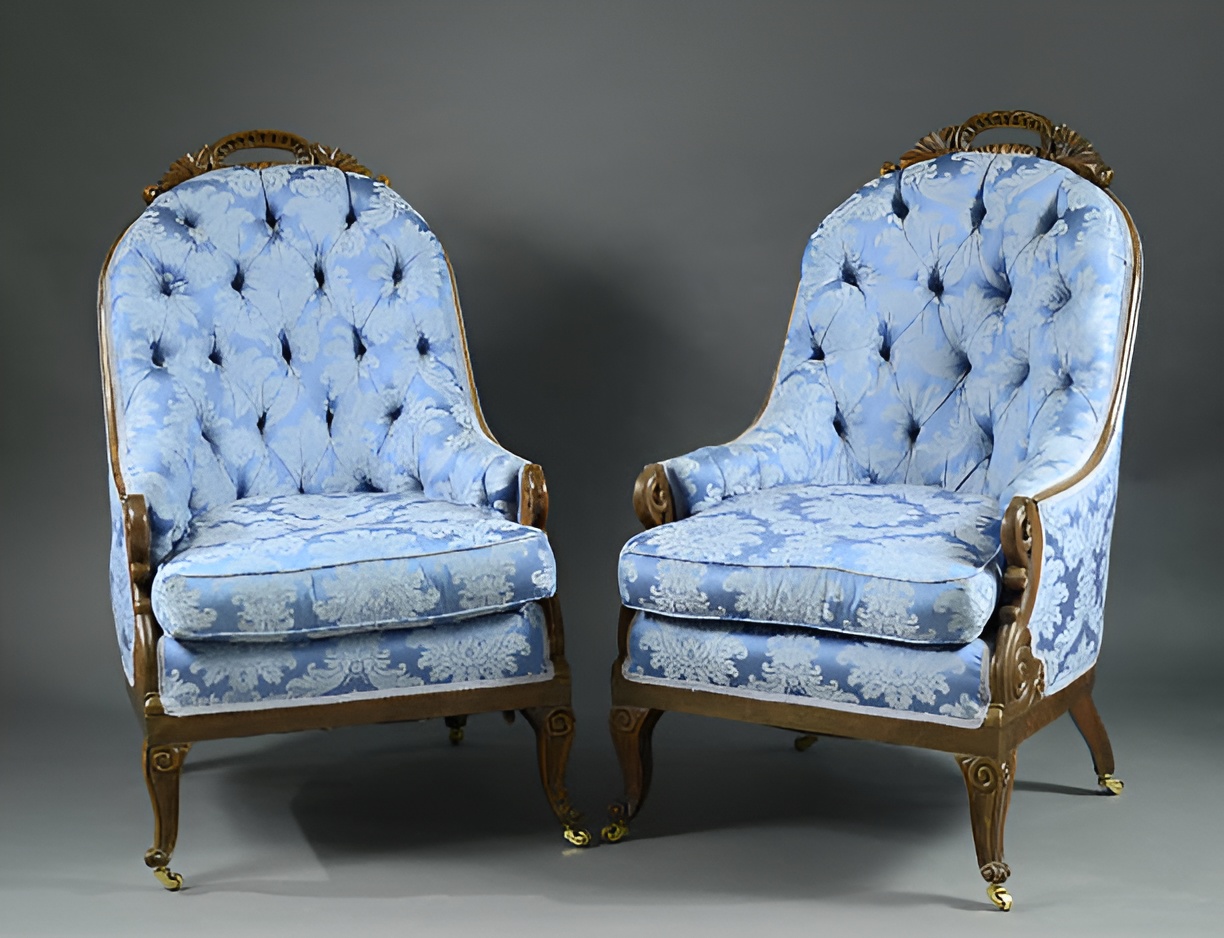

- Preserve Antique Value: Keeping the old fabric maintains the chair’s originality and historical charm, which can protect its resale value.
- Simplify the Process: Reupholstering without removing old fabric saves time and reduces labor compared to a full strip-and-recover method.
- Use Proper Tools and Materials: A staple gun, upholstery tacks, heavy-duty scissors, durable fabric, and optional padding make the project easier and more professional.
- Layer Fabrics Carefully: Adding batting or new fabric over the old layer can improve comfort and appearance, while creative fabric combinations can enhance style.
- Protect and Maintain: Use fabric protector sprays, avoid direct sunlight, vacuum regularly, and rotate cushions to keep the chair looking fresh.
- Avoid Common Mistakes: Don’t overstretch fabric, ignore old fabric damage, skip measurements, or use unsuitable materials to ensure a durable, attractive result.
Reupholstering a chair can seem like a daunting task, especially when it comes to antique or vintage pieces. Many homeowners and antique enthusiasts worry that stripping away the old fabric could reduce the chair’s value or damage its structure. Luckily, there’s a way to breathe new life into your cherished furniture without removing the old fabric. This method not only preserves the chair’s antique charm but also saves time and effort.
In this guide, we’ll walk you through the process step by step, share practical tips, and explore creative techniques for reupholstering a chair while maintaining its vintage appeal.
Why Should You Keep the Old Fabric?
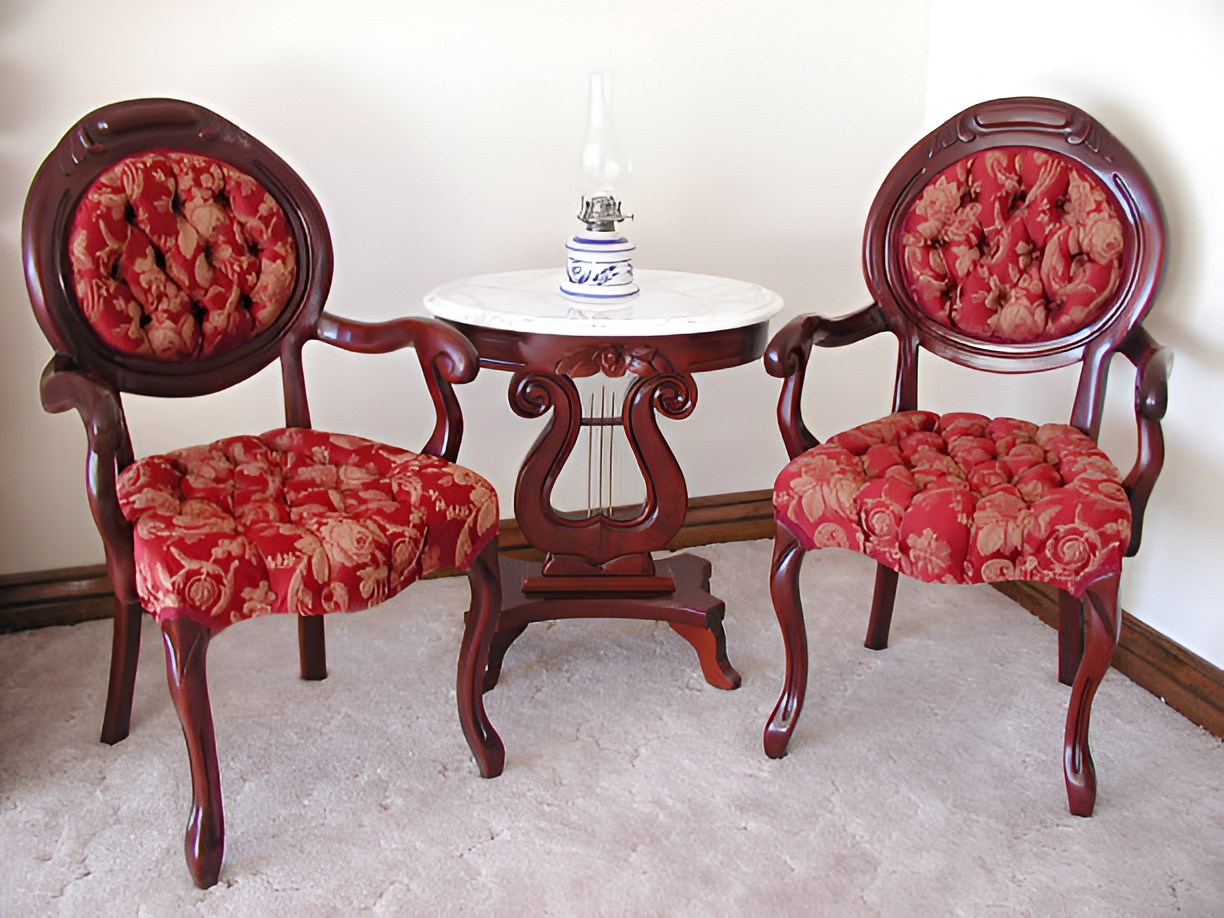
Before diving into the reupholstering process, it’s worth understanding why leaving the original fabric intact is beneficial:
- Preserve Value: Antique chairs often derive their value from originality. Removing the old fabric can decrease authenticity and potentially reduce resale value.
- Maintain Patina: The old fabric contributes to the chair’s history and character. It adds texture and a sense of age that new upholstery alone cannot replicate.
- Save Time: Skipping the removal step simplifies the project and reduces labor.
- Structural Support: Old fabric can act as an additional layer of support for new upholstery, making the chair sturdier.
For antique furniture collectors, these reasons alone make this approach worthwhile.
What Tools and Materials Will You Need?
Even if you’re new to DIY furniture projects, the tools required are straightforward:
- Staple gun and staples
- Upholstery tacks or decorative nails
- Heavy-duty fabric scissors
- Measuring tape or ruler
- Upholstery fabric (choose durable and complementary to the chair’s style)
- Foam padding or batting (optional, for extra comfort)
- Spray adhesive (optional, for smoother layers)
- Needle and strong thread for hand stitching
Having everything prepared beforehand makes the process smoother and prevents unnecessary interruptions.
How Do You Choose the Right Fabric?
Selecting a fabric is one of the most fun parts of learning how to reupholster a chair. When preserving antique charm, it’s important to pick materials that enhance rather than overpower the original design.
- Match the Era: Choose patterns and textures that complement the chair’s period. For Victorian or Edwardian pieces, consider damask, velvet, or brocade.
- Consider Durability: Heavy-duty fabrics like canvas, twill, or linen blends last longer, especially if the chair will be used daily.
- Color Coordination: Stick to neutral tones or colors that echo the original fabric to maintain harmony.
- Pattern Balance: If the old fabric has a noticeable pattern, pick a new fabric that doesn’t clash. Solid colors or subtle textures often work best.
Step-by-Step Guide: How to Reupholster a Chair Without Removing Old Fabric
Step 1: Clean and Inspect Your Chair
Before adding new fabric, clean the chair’s surface. Use a vacuum to remove dust and debris, and spot-clean any stains that could affect adhesion or the final appearance. Inspect for loose joints, broken springs, or damage to the frame. Repair any structural issues first, as this will make your upholstery project smoother and longer-lasting.
Step 2: Add Padding or Batting
One of the benefits of keeping the old fabric is that it provides a base layer. However, adding a thin layer of foam or batting can:
- Smooth out uneven areas
- Increase comfort
- Create a fresh look without removing the original fabric
Cut the batting to fit the seat and backrest, then secure it lightly with spray adhesive or staples.
Step 3: Measure and Cut New Fabric
Measure each section of the chair carefully. Add a few extra inches on each side to allow for folding and stapling. Precision here ensures that the fabric covers the chair neatly without wrinkles or uneven edges.
Step 4: Attach the New Fabric
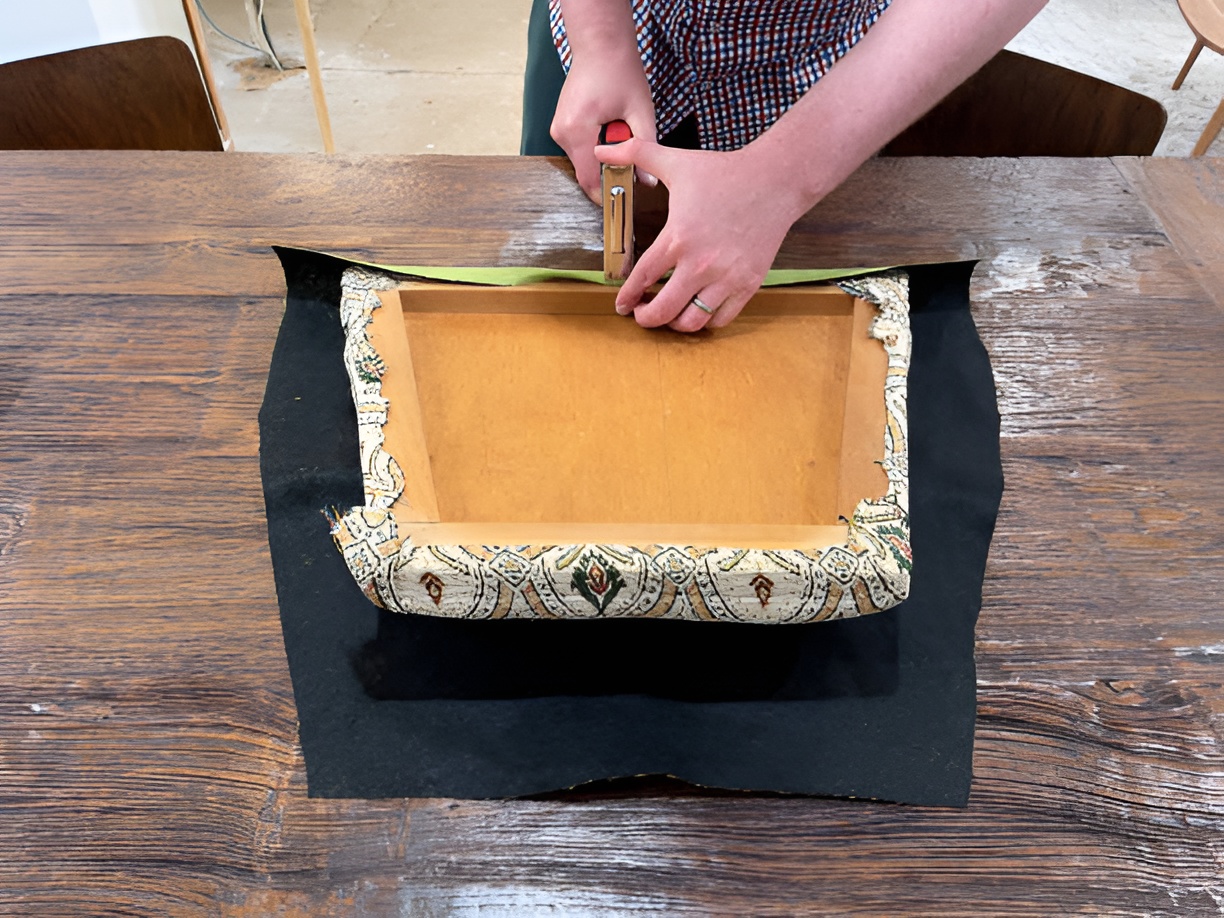
Start by draping the new fabric over the chair and aligning it with the edges. Use a staple gun to attach the fabric to the underside or back of the chair frame:
- Begin at the center of each side and work outward
- Pull fabric taut but avoid overstretching
- Fold corners neatly to reduce bulk and avoid creases
Decorative upholstery tacks can be used along visible edges for added style and security.
Step 5: Trim Excess Fabric
After securing the fabric, trim any excess material with heavy-duty scissors. This step gives a clean, professional look and prevents fabric from bunching or fraying over time.
Step 6: Hand-Stitch Details (Optional)
For extra durability and an authentic antique touch, consider hand-stitching sections like seams or edges. This is especially effective on chairs with intricate designs or visible joins where staples might look out of place.
Tips for Layering Without Losing Comfort
Adding a new layer of fabric over the old one can sometimes affect the chair’s comfort. Here are some tips to avoid that problem:
- Use thinner batting if the old fabric is thick
- Smooth wrinkles in the old fabric before laying the new layer
- Test the seat by sitting before final stapling
- Consider quilting or tufting techniques to add texture without bulk
Can You Mix Fabrics for a Creative Look?
Yes! Layering fabrics doesn’t mean you’re limited to one material. Consider these creative approaches:
- Contrasting Textures: Pair smooth linen with textured velvet or patterned cotton for a dynamic look
- Patchwork Style: Use multiple small fabric sections for a bohemian, vintage-inspired design
- Border Accents: Keep the old fabric visible as a subtle border, adding depth and history to the chair
Mixing fabrics thoughtfully can enhance the chair’s antique charm while giving it a modern twist.
How to Protect the Chair After Reupholstering
Once your chair has a fresh layer of fabric, protect it to maintain its beauty:
- Apply a fabric protector spray to resist spills and stains
- Avoid placing the chair in direct sunlight to prevent fading
- Regularly vacuum the fabric to keep it clean
- Rotate cushions or seats if possible to ensure even wear
Common Mistakes to Avoid
Even experienced DIYers can make mistakes when reupholstering. Watch out for these pitfalls:
- Overstretching the fabric: Can warp the frame or cause wrinkles
- Ignoring old fabric condition: Tears or weak spots can affect the new layer
- Skipping measurements: Poor fit leads to uneven edges and an unprofessional finish
- Using inappropriate fabric: Lightweight or delicate fabrics may not hold up to daily use
Taking time and planning carefully reduces errors and ensures a lasting result.
Why This Method Works for Antique Furniture
Reupholstering a chair without removing the old fabric is especially suitable for antiques because:
- It preserves the original elements that give the piece historical value
- It reduces risk of damage to delicate wood, springs, or joints
- It saves time and resources while still achieving a refreshed look
This approach bridges the gap between restoration and modernization, making it ideal for collectors and DIY enthusiasts alike.
Can You Sell or Display Reupholstered Antique Chairs?
Absolutely. Chairs reupholstered using this method often appeal to buyers or collectors who want:
- A functional chair that can be used daily
- A vintage aesthetic that retains historical charm
- A piece that is unique and well-crafted
By keeping the old fabric intact, you retain authenticity while enhancing visual appeal—a win-win for both resale and display purposes.
Wrapping It Up
Reupholstering a chair without removing old fabric is a practical, effective, and creative way to refresh antique furniture. From choosing complementary fabrics to layering strategically and protecting the finished piece, this method preserves both comfort and charm.
Whether you’re an antique collector, DIY enthusiast, or simply looking to breathe new life into a favorite chair, this approach allows you to enjoy a beautiful, functional, and historically respectful piece of furniture.
With the right tools, planning, and attention to detail, you can turn an old, tired chair into a centerpiece that honors its past while fitting perfectly into your modern home.