
Heating and cooling systems play a major role in home comfort, indoor air quality, and monthly energy use. Because these systems often run for hours at a time, even small maintenance issues can affect performance.
Homeowners do not need to be technicians to take better care of their HVAC equipment. A few simple habits, combined with regular professional maintenance, can help the system operate more efficiently and make it easier to spot problems before they become expensive repairs.
Change the Air Filter Regularly
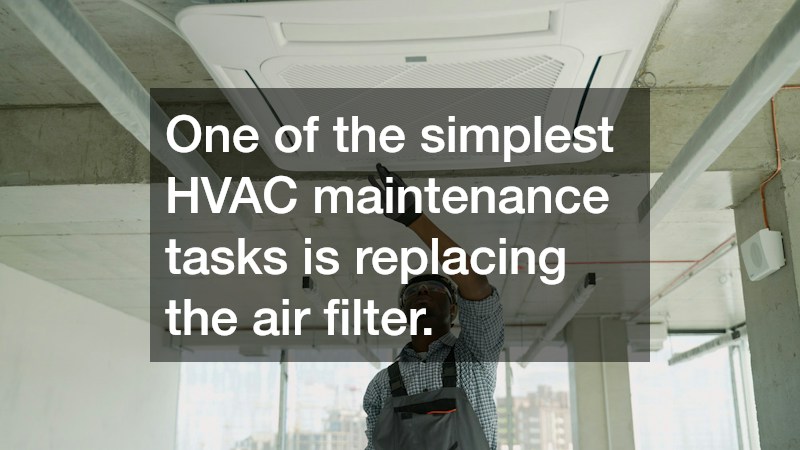
One of the simplest HVAC maintenance tasks is replacing the air filter.
A dirty filter can restrict airflow, forcing the system to work harder to move conditioned air through the home. It may also allow more dust to accumulate inside the equipment and ductwork.
How often a filter needs replacement depends on the filter type, household conditions, pets, and how frequently the system operates.
Check the filter regularly and follow the manufacturer’s recommendations rather than waiting until it is completely clogged.
Keep Supply and Return Vents Open
Furniture, rugs, curtains, and boxes can accidentally block vents.
When supply vents are covered, conditioned air may not circulate properly through the room. Blocking return vents can also restrict airflow back to the HVAC system.
Walk through the home occasionally and make sure vents are open and unobstructed.
Closing large numbers of supply vents in unused rooms is not always a good energy-saving strategy, either. It can change pressure within the duct system and potentially reduce performance.
Use Your Thermostat Consistently
Constantly making extreme thermostat adjustments usually does not make the home heat or cool significantly faster.
Choose comfortable settings and allow the system to operate normally.
A programmable or smart thermostat can make this easier by automatically adjusting temperatures based on your schedule.
For example, you may be able to reduce heating or cooling while the house is empty and return to a comfortable setting before everyone comes home.
Small, consistent adjustments are generally easier on the system than dramatic changes throughout the day.
Do Not Ignore Unusual Noises
Heating and cooling equipment naturally makes some noise while operating, but new or unusually loud sounds deserve attention.
Grinding, banging, squealing, rattling, or repeated clicking may indicate loose components, motor issues, airflow problems, or another malfunction.
Turn off the equipment if the sound appears severe or potentially dangerous.
Addressing an unusual noise early may prevent a smaller mechanical problem from becoming a more serious HVAC repair.
Keep the Outdoor Unit Clear
Central air conditioners and heat pumps usually rely on an outdoor unit to release or absorb heat.
Leaves, grass clippings, weeds, dirt, and other debris can collect around the equipment and restrict airflow.
Periodically inspect the area and remove loose debris from around the unit.
Plants should also be kept far enough away to allow adequate airflow and service access.
Avoid aggressively pressure washing equipment or opening panels yourself, as sensitive components may be damaged.
Pay Attention to Your Energy Bills
An unexpected increase in utility costs can sometimes be an early sign of an HVAC problem.
Higher bills can also result from weather, electricity rates, household occupancy, or changes in thermostat settings, so one expensive month does not automatically mean something is broken.
However, a sustained increase without an obvious explanation may justify an inspection.
Dirty components, leaking ducts, failing motors, refrigerant issues, or aging equipment can sometimes cause a system to consume more energy than usual.
Use Ceiling Fans Correctly
Ceiling fans can help rooms feel more comfortable without directly lowering the air temperature.
During warmer weather, fans can create a cooling effect by moving air across the skin.
This may allow homeowners to remain comfortable at a slightly higher thermostat setting.
Remember that fans cool people, not empty rooms. Turn them off when no one is present to avoid unnecessary electricity use.
Fans can complement an HVAC system, but they are not a substitute for air conditioning during extreme heat.
Watch for Uneven Temperatures
One room that is consistently much warmer or colder than others may indicate an underlying problem.
Potential causes include blocked vents, poor insulation, duct leaks, improper system balancing, window exposure, or equipment sizing issues.
Before assuming the entire system needs replacement, check simple possibilities such as closed vents and dirty filters.
Persistent hot or cold spots should be evaluated by a professional who can determine whether the issue involves airflow, insulation, or the equipment itself.
Do Not Skip Professional Maintenance
Homeowners can handle basic tasks, but professional service remains important.
During routine maintenance, technicians can inspect electrical connections, motors, coils, drains, refrigerant-related components, safety controls, and other parts that are difficult for homeowners to evaluate.
Maintenance may also reveal developing issues before the system fails during very hot or cold weather.
Many homeowners schedule HVAC service before the primary heating or cooling season begins.
Keep the Condensate Drain Clear
Air conditioners remove moisture from indoor air, and that water must drain away from the system.
If the condensate drain becomes clogged, water can back up and potentially damage nearby equipment, ceilings, walls, or flooring.
Some systems include safety switches designed to shut down the equipment when drainage problems occur.
If you notice water around the indoor unit or unexplained moisture nearby, have the problem inspected rather than simply wiping it away.
Learn Where the Breakers and Shutoffs Are
Knowing how to safely shut down the system can be useful during an emergency.
Locate the breaker associated with the HVAC equipment and become familiar with any accessible disconnects or service switches.
Do not open electrical panels on the equipment itself unless you are qualified to do so.
If the system smells like burning electrical components, sparks, or repeatedly trips a breaker, shut it down if it is safe and contact a professional.
Avoid Repeatedly Resetting a Tripped Breaker
A breaker that trips once may be responding to a temporary issue.
A breaker that repeatedly trips should not simply be reset over and over.
Repeated tripping may indicate an electrical fault, failing component, damaged wiring, or excessive electrical demand.
Continuing to reset it without identifying the cause can create a safety concern.
Turn off the system and have the electrical or HVAC issue properly diagnosed.
Check Doors and Windows for Air Leaks
The heating and cooling system is only one part of home comfort.
Gaps around windows and exterior doors can allow conditioned air to escape while outdoor air enters.
Weatherstripping, caulk, and other sealing measures may help reduce unwanted air leakage.
Improving insulation and sealing can sometimes make a noticeable difference in comfort without making any changes to the equipment itself.
Close Curtains During Hot, Sunny Periods
Sunlight entering through windows can add substantial heat to a room.
Closing blinds or curtains during the hottest part of the day may reduce the amount of heat entering the home.
This can be especially helpful for windows receiving strong afternoon sun.
During cooler months, homeowners may instead choose to open curtains on sunny days to take advantage of natural warmth.
These simple habits can reduce some of the workload placed on the HVAC system.
Watch for Short Cycling
Short cycling occurs when heating or cooling equipment turns on and off repeatedly without completing normal operating cycles.
Possible causes include thermostat problems, dirty filters, airflow restrictions, equipment sizing issues, electrical problems, or other malfunctions.
Frequent cycling can increase wear and may prevent the home from reaching a comfortable temperature.
If the system suddenly begins cycling differently than usual, schedule an inspection.
Do Not Cover the Outdoor Unit While It Is Operating
Homeowners sometimes assume outdoor equipment needs to be completely covered for protection.
An air conditioner that is shut down for the season may have manufacturer-specific recommendations for protection, but a heat pump may continue operating during winter.
Covering an active heat pump can block airflow and cause serious problems.
Always understand what type of equipment you have before covering or enclosing an outdoor HVAC unit.
Know When a Repair Is No Longer Enough
Regular maintenance can extend equipment life, but every system eventually reaches a point where replacement may make more sense.
Frequent breakdowns, rising repair costs, poor comfort, unusual energy consumption, and difficulty obtaining replacement parts can all influence that decision.
Age is important, but it should not be the only factor.
A professional can compare repair costs, equipment condition, efficiency, and expected remaining life before recommending replacement.
A Little Prevention Goes a Long Way
Homeowners do not need advanced technical knowledge to take better care of their heating and cooling equipment.
Changing filters, keeping vents open, clearing outdoor equipment, monitoring utility bills, and paying attention to unusual sounds can help identify problems early.
Professional maintenance can handle the more technical side of HVAC care and ensure that safety and performance issues are addressed correctly.
By combining simple homeowner habits with routine service, you can help your heating and cooling system operate more reliably while maintaining a more comfortable home throughout the year.